


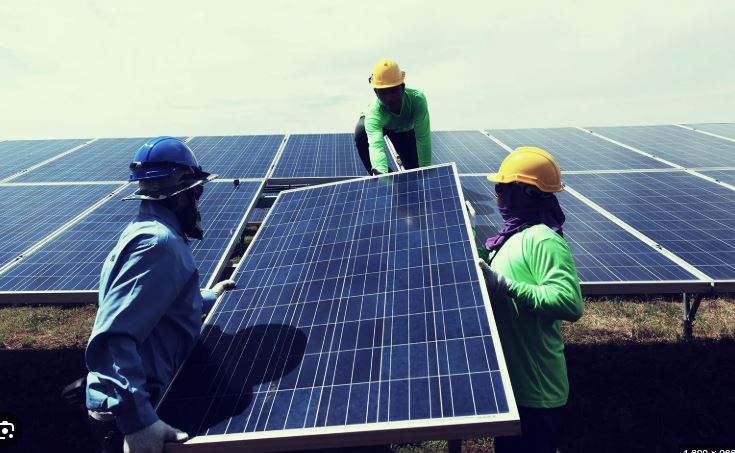
Several labor unions and nonprofit organizations have filed a lawsuit against the Environmental Protection Agency (EPA) after the Trump administration canceled the $7 billion “Solar for All” program, which aimed to provide affordable solar power to more than 900,000 low-income Americans.
The groups, including the Rhode Island AFL-CIO, the Rhode Island Center for Justice, and Solar United Neighbors, argue that the administration’s termination of the program was illegal and are asking a federal court to order the EPA to reinstate the initiative.
The “Solar for All” program was part of the $27 billion Greenhouse Gas Reduction Fund, created under President Joe Biden’s 2022 climate law, to promote clean energy access and job creation. The EPA rescinded the program in August, shortly after Congress passed Trump’s sweeping tax and spending law in July.
EPA Administrator Lee Zeldin defended the decision, claiming that the agency no longer had the authority or funding to continue what he described as a “boondoggle”—a wasteful program. However, the plaintiffs argue that the law only revoked unawarded grants, while the Solar for All funds had already been allocated.
Patrick Crowley, president of the Rhode Island AFL-CIO, condemned the decision, saying it would kill jobs and raise electricity prices for working families.
Kate Sinding Daly, senior vice president of the Conservation Law Foundation, called the rollback a “shameless attempt to prop up fossil fuel companies at the expense of families.”
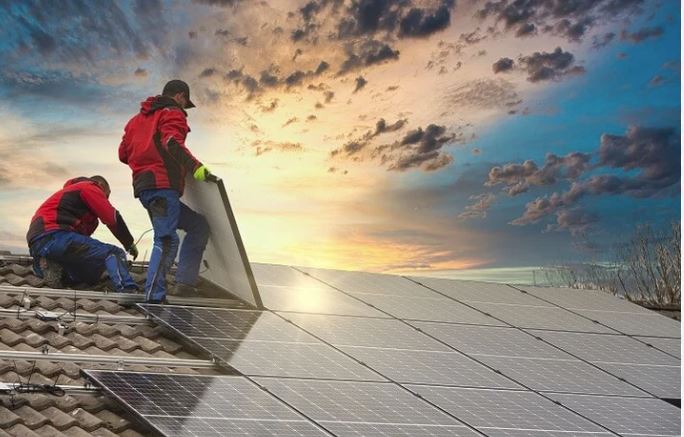
She emphasized that the program was designed to give low-income households access to clean, affordable solar power—reducing electricity bills, improving air quality, and protecting people from extreme heat.

According to prior EPA estimates, the Solar for All program would have saved participants around $400 annually on energy bills and prevented or reduced over 30 million metric tons of carbon dioxide emissions.
The $7 billion initiative was part of a broader clean energy funding effort, including another $20 billion in green financing—also canceled earlier this year—that was meant to support community energy projects, home efficiency upgrades, and climate resilience programs.
The EPA declined to comment on the ongoing litigation.
This lawsuit adds to a growing number of legal challenges against the Trump administration’s reversal of clean energy policies. While one federal judge previously ruled that groups should have access to some of the green bank funds, a recent appeals court decision allowed the administration to continue with its termination plans.
Environmental advocates say the outcome of this case could determine whether the U.S. continues to expand access to renewable energy for vulnerable communities—or revert to policies favoring fossil fuel industries.

