


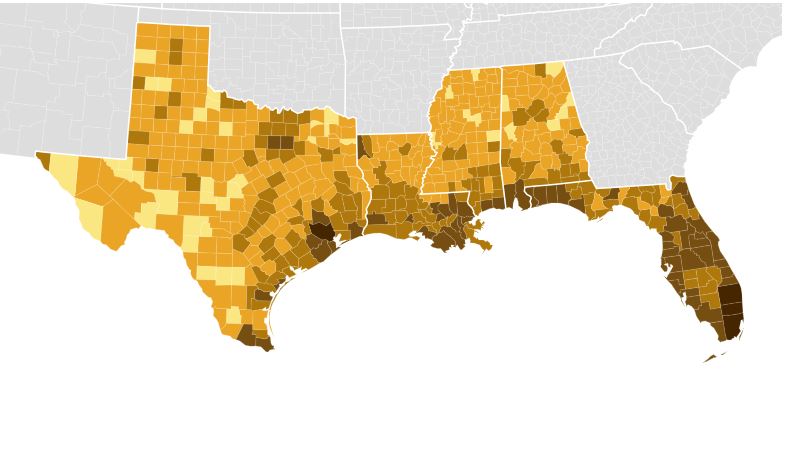
A new analysis warns that climate change could cause billions of dollars in annual property damage along the Gulf Coast by 2050, with Harris County expected to suffer the greatest financial hit — about $2.6 billion every year.
Why it matters:
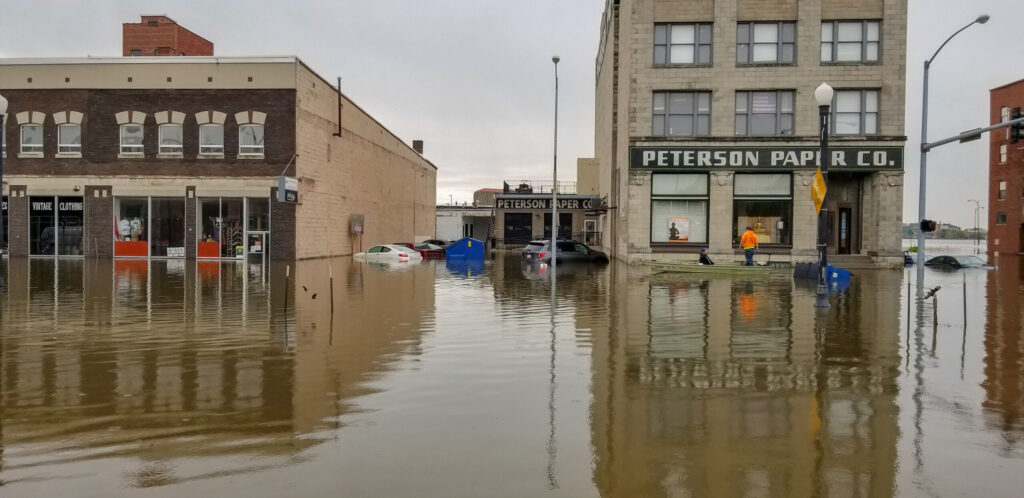
Harris County, home to Houston, faces a mounting economic burden as climate-driven extreme weather intensifies. Hurricanes, flooding, and rising temperatures are becoming more destructive, leaving local communities and infrastructure increasingly vulnerable.
The big picture:
According to a recent Urban Institute study that used FEMA data, the combined annual damage across Texas, Louisiana, Mississippi, Alabama, and Florida could reach $32 billion by 2050 — more than double the estimated $15 billion expected without the impacts of climate change.
How they found it:
The Urban Institute based its projections on FEMA’s Future Risk Index, which estimates future costs from coastal flooding, extreme heat, wildfires, hurricanes, and drought (in 2024 dollars). FEMA launched this public tool in December, but it has since been removed as part of the Trump administration’s rollback of federal climate data.
What experts say:
Lead researcher Sara McTarnaghan from the Urban Institute explained that the study used a moderate emissions scenario — one that’s both realistic and actionable for policymakers. She emphasized the need to prepare for multiple possible climate outcomes, noting that future resilience and migration trends are difficult to predict.
Between the lines:
While the financial losses are staggering, experts caution that the real cost of climate disasters extends far beyond money — including long-term impacts on public health, livelihoods, and regional economies.

What’s next:
The Trump administration’s proposed cuts to FEMA’s disaster assistance have yet to be tested by a major hurricane season. Gulf Coast states, historically dependent on federal recovery aid, could face unprecedented challenges if support dwindles just as climate risks peak.

