


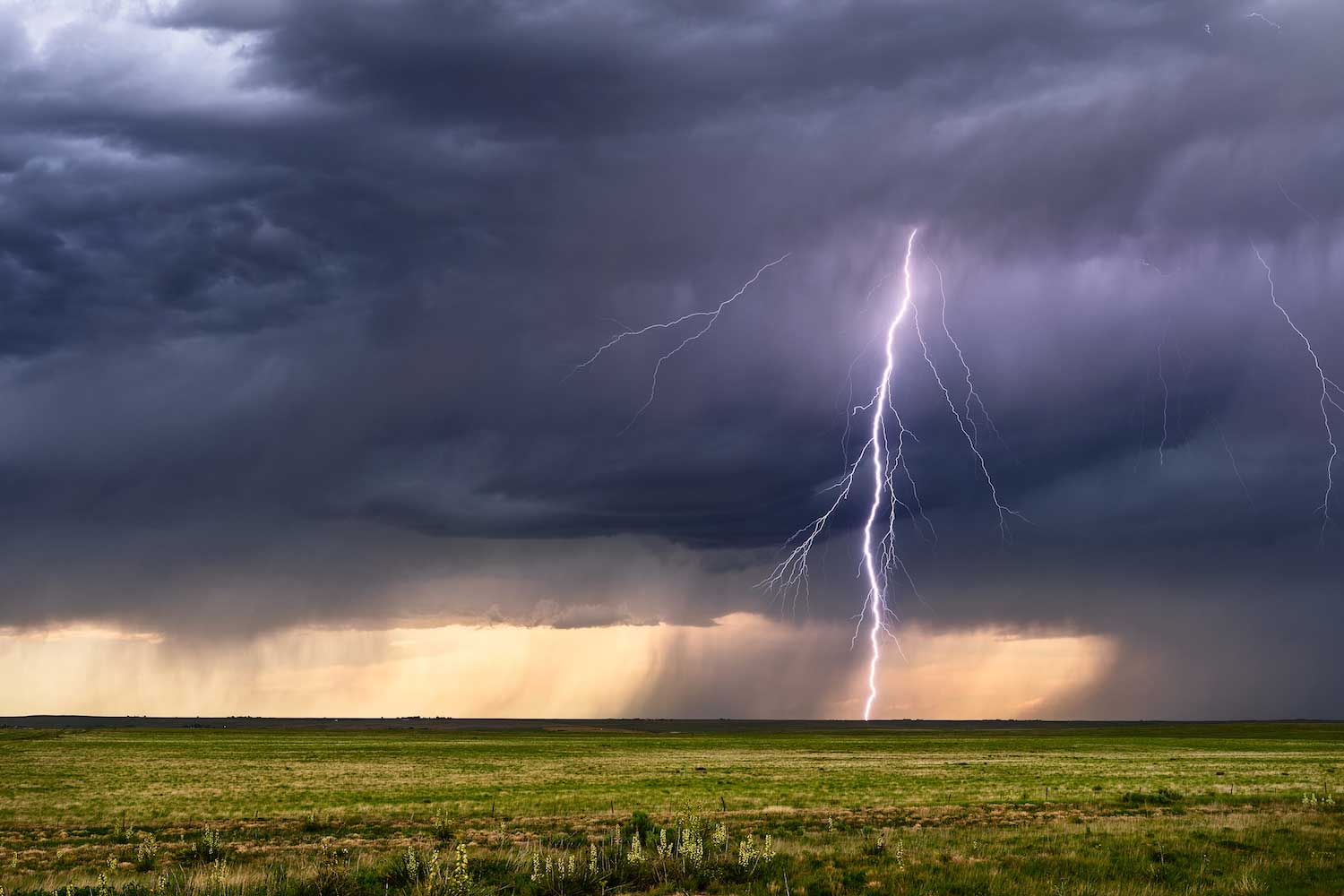
Thunderstorms are common weather events, but they can pose serious risks. They often bring strong winds, flash floods, hail, and lightning—each capable of causing severe damage and injury.
Be Prepared Before the Storm
1. Know Your Risk
Thunderstorms can strike anytime, anywhere. Stay informed by signing up for your community’s alert system and tuning in to official sources like the Emergency Alert System (EAS) or NOAA Weather Radio for real-time warnings.
2. Secure Your Home
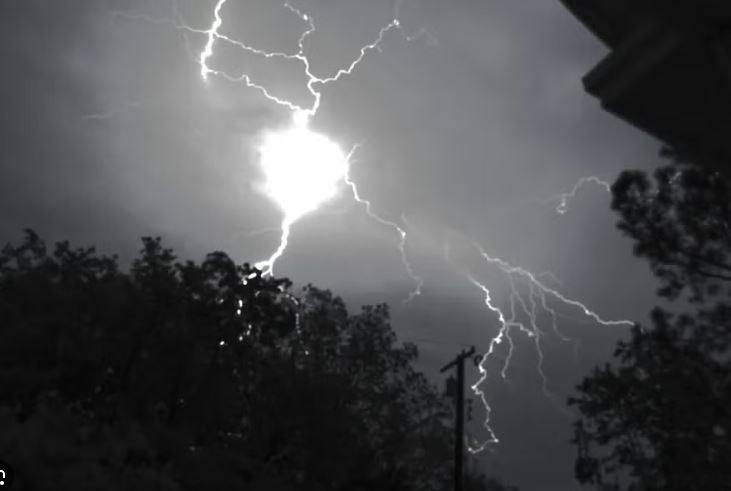
Trim or remove weak trees and branches that could fall on your house. Protect your electronics with surge protectors or consider installing a lightning protection system to minimize potential damage.
Stay Safe During the Storm
If a thunderstorm warning is issued:
When thunder roars, go indoors! Move to a sturdy building or a vehicle with a roof.
Pay close attention to weather alerts and updates.
Avoid using wired electrical devices and stay away from running water to reduce the risk of electric shock.
“Turn Around, Don’t Drown!” Never attempt to drive through flooded areas—just six inches of fast-moving water can knock you down, and a foot can sweep away most vehicles.
Stay Alert After the Storm
Once the thunderstorm has passed:
- Continue monitoring local authorities for safety updates and flood warnings.
- Stay away from downed power lines and fallen trees, and report them immediately to the proper authorities.
- Be cautious while moving around as hidden dangers like standing water or debris may still pose risks.


