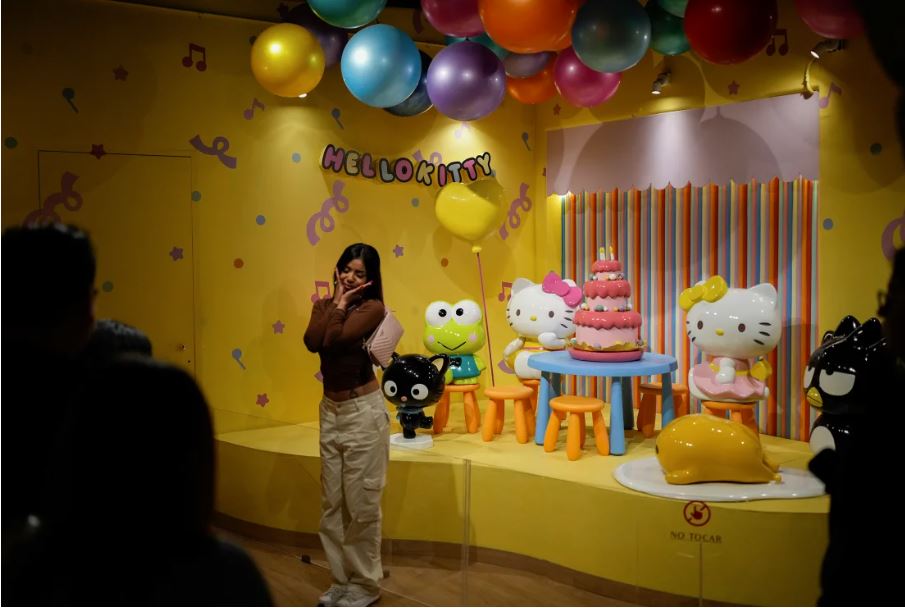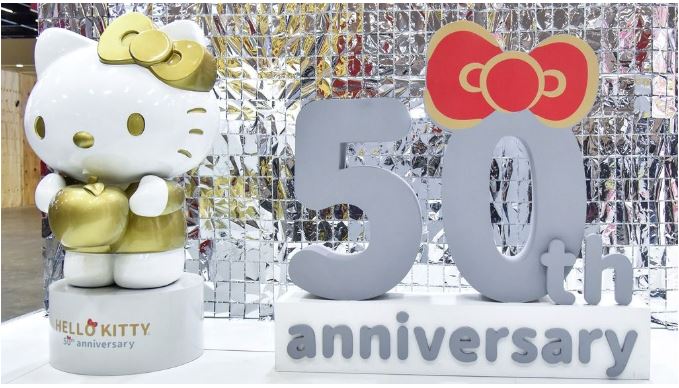
Since her debut on November 1, 1974, Hello Kitty’s significant birthdays have often mirrored pivotal achievements for her creator, Sanrio. In the fiscal year ending March 1999—Hello Kitty’s 25th birthday—Sanrio hit a record-high turnover of ¥150 billion. Fifteen years later, on Kitty’s 40th, the company saw a record 36% of sales from overseas and ¥22 billion in operating profit. By 2024, Sanrio achieved ¥27 billion in operating profit and a market cap surpassing ¥700 billion, setting the stage for Hello Kitty’s 50th birthday.
This resurgence is credited to major changes, including a 2020 leadership shift from 92-year-old CEO Tsuji Shintarō to his grandson, Tsuji Tomokuni, and a deliberate diversification of Sanrio’s offerings beyond Hello Kitty, now comprising only 50% of total sales.
Sanrio’s Origins and the Cultural Surge of Character Merchandise
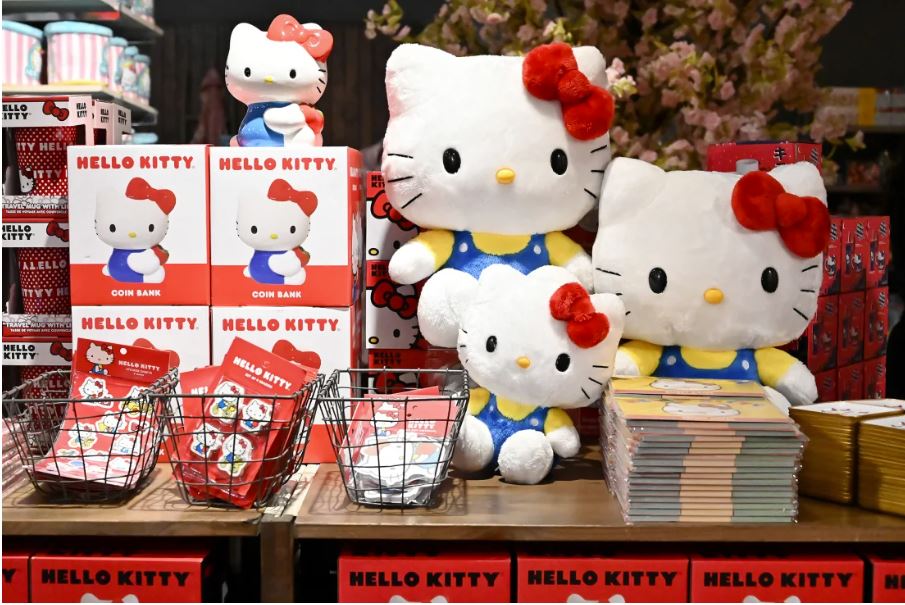
Sanrio began in 1960 as the Yamanashi Silk Center, founded by Shintarō Tsuji, who initially sold local silk and wine. The company evolved in response to Japan’s growing character-centric culture of the 1960s, as seen with Disney and Nintendo’s early ventures. By 1962, Tsuji was experimenting with patterned merchandise, releasing a popular strawberry-patterned handkerchief. Later, Sanrio collaborated with noted illustrator Mizumori Ado, sparking an era of character-driven ceramics and accessories. In 1973, rebranded as “Sanrio” (a combination of “saint” and “river” in Spanish), Tsuji sought to emulate Sony’s international success, setting sights on global expansion.
The Birth of Hello Kitty: A Bow and a Coin Purse
Hello Kitty’s character was born in 1974, designed by Shimizu Yūko, a young Sanrio designer who envisioned a friendly, bow-wearing cat without a mouth—meant to let children imagine Kitty’s emotions. In 1975, the first Hello Kitty item, a coin purse, was an unexpected hit. Although initially nameless, she was soon named “Kitty” after a character in Lewis Carroll’s Through the Looking-Glass.
Resilience and Rebranding
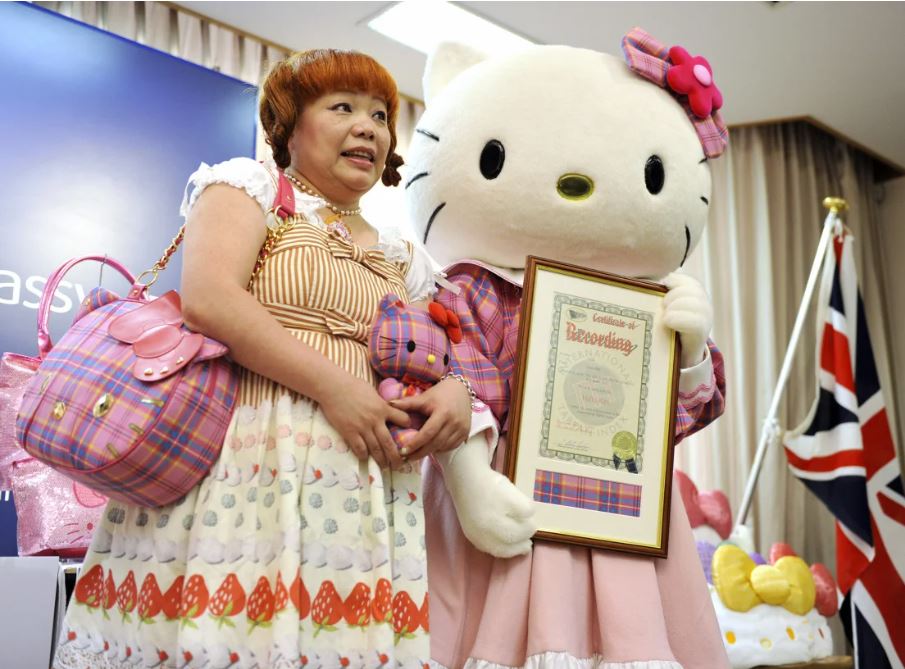
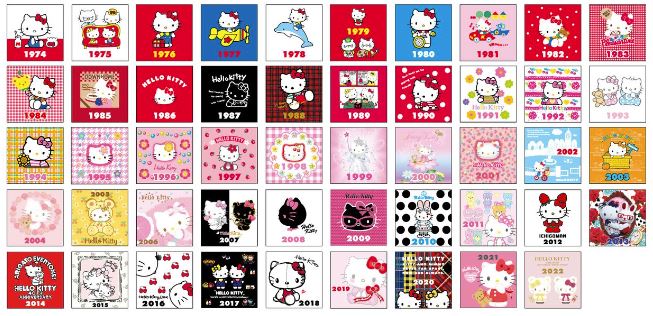
By the late 1970s, Hello Kitty’s popularity was dwindling. But with Hiroko Yamaguchi’s appointment as lead designer in 1980, Kitty was redesigned in various playful scenarios—like playing tennis and holding a teddy bear—revitalizing her trendy image. Sanrio went on to introduce hundreds of characters, of which many faded, while Hello Kitty endured thanks to creative design and flexible licensing.
Building the Sanrio Empire and Expanding Overseas
From the 1970s to the 1990s, Sanrio opened hundreds of stores across Japan, eventually controlling around 80% of the novelty gift market. However, international growth posed challenges. After a rocky U.S. debut, Tsuji Shintarō’s son Kunihiko helped establish a Sanrio presence in North America in the 1980s by building connections and expanding sales channels. Hello Kitty gradually became a familiar part of U.S. culture, aided by successive generations’ fond memories of the brand.

Hello Kitty’s Luxury Appeal and Celebrity Love
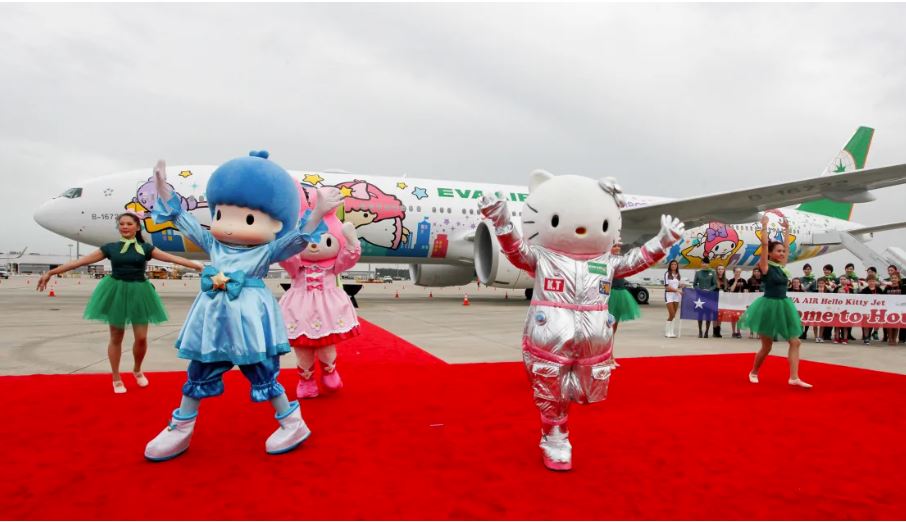
In the 2000s, Sanrio ramped up its U.S. efforts by collaborating with luxury and lifestyle brands. Hello Kitty items adorned stars like Mariah Carey, Katy Perry, and Lady Gaga, who had cherished the brand since childhood. These collaborations, particularly with high-end brands like LVMH, kept Hello Kitty relevant for adult fans while generating buzz on social media.
Rebounding in the Digital Era
After a period of decline, Sanrio entered a new era of innovation with Tomokuni’s 2020 appointment as CEO. He revamped the executive team, reduced the average age, and modernized Sanrio’s operations. The company embraced digital spaces by partnering with Roblox and advancing projects in Web3, launching virtual versions of its beloved Puroland theme park, and adapting its licensing model to engage fans across platforms. Sanrio’s rebranded slogan, “One World, Connecting Smiles,” captures its mission to foster connection and inclusivity.
The Legacy of Hello Kitty: A Simplicity that Endures
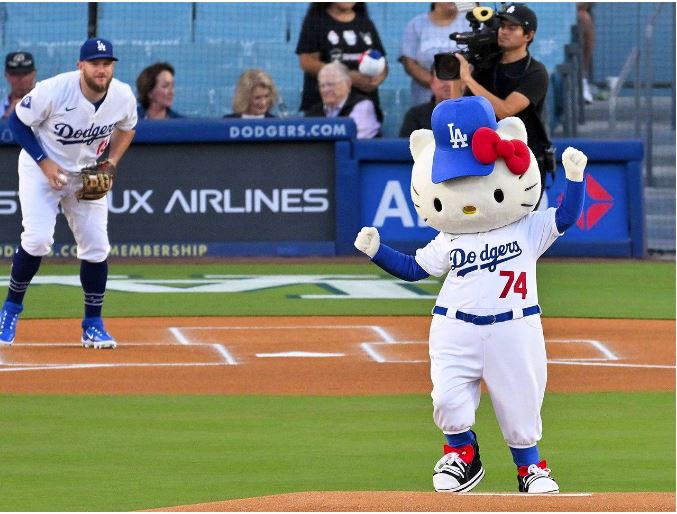
Though Hello Kitty lacks a mouth and backstory, her timeless appeal has transcended decades of content evolution. As a comforting, gentle presence, she continues to charm new generations, layering fond memories for children and adults alike. In a fast-paced digital world, Hello Kitty’s simplicity offers a nostalgic escape, ensuring her place as a beloved icon well into the future.