


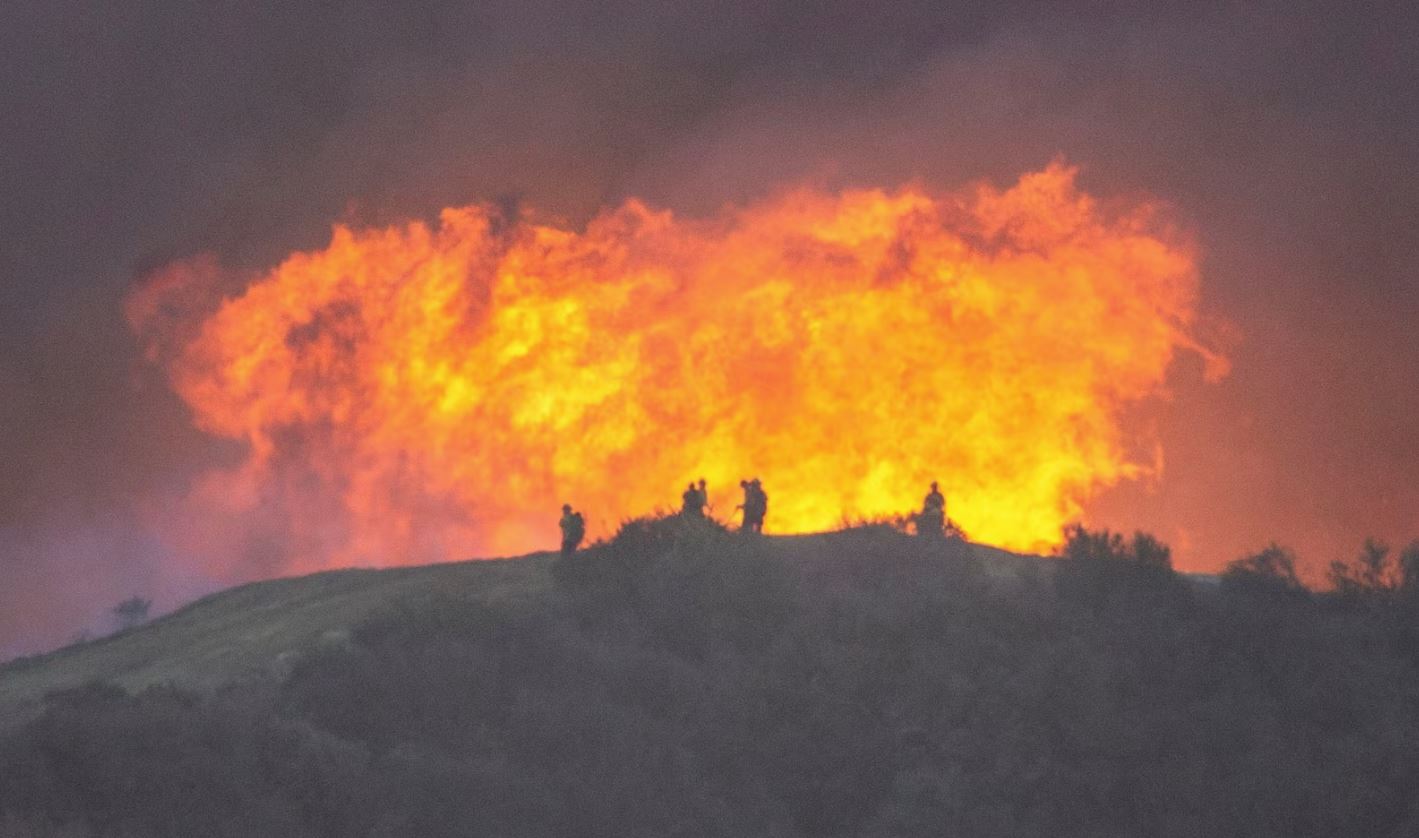
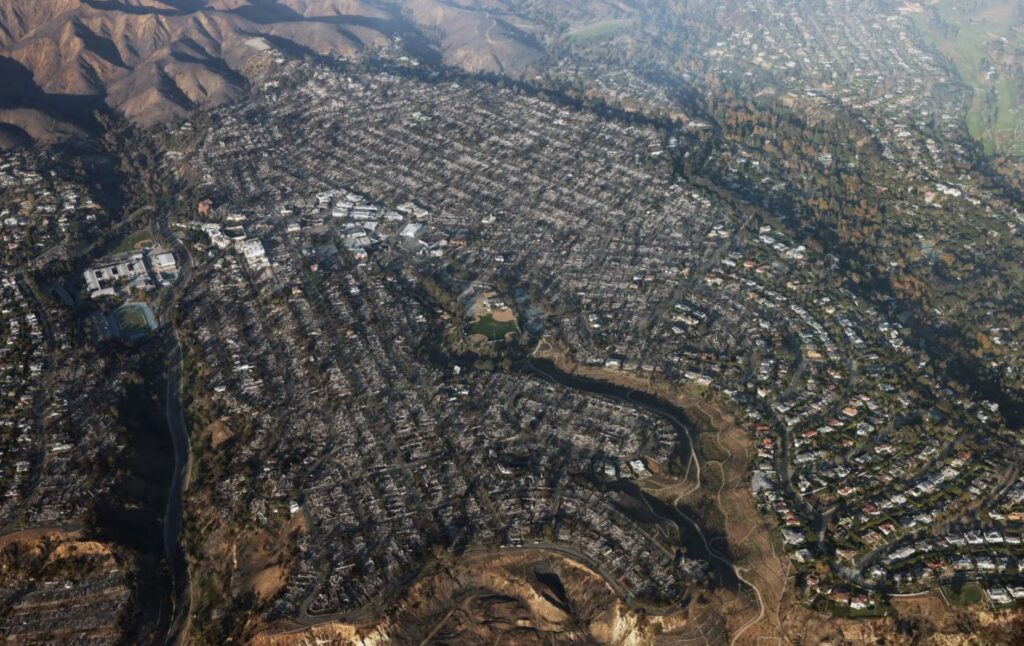
The wildfires in the Los Angeles area have claimed at least 24 lives as of late Sunday. Officials fear the death toll may rise as search teams and cadaver dogs scour neighborhoods reduced to ashes.
Worsening Winds Pose New Dangers
The West Coast blazes remain out of control, with Federal Emergency Management Agency (FEMA) Administrator Deanne Criswell warning of escalating winds that could intensify the crisis. “The winds are potentially getting stronger and dangerous,” Criswell told CNN’s State of the Union.
Landmarks and Communities Under Threat
Local authorities expressed concern that the fires could threaten densely populated areas and iconic landmarks, such as the J. Paul Getty Museum and the University of California, Los Angeles.
Governor Newsom Calls for Independent Review
California Governor Gavin Newsom has ordered a review of the factors contributing to the rapid spread of the fires. Questions have arisen about the water supply system’s failure, with a 440-million-liter reservoir reportedly out of service and some fire hydrants running dry.
“What the hell happened? What happened to the water system?” Newsom asked. He emphasized the need for an objective investigation, stating, “This is not about finger pointing; it’s about finding the facts.”
Firefighters Battle Against Shifting Flames
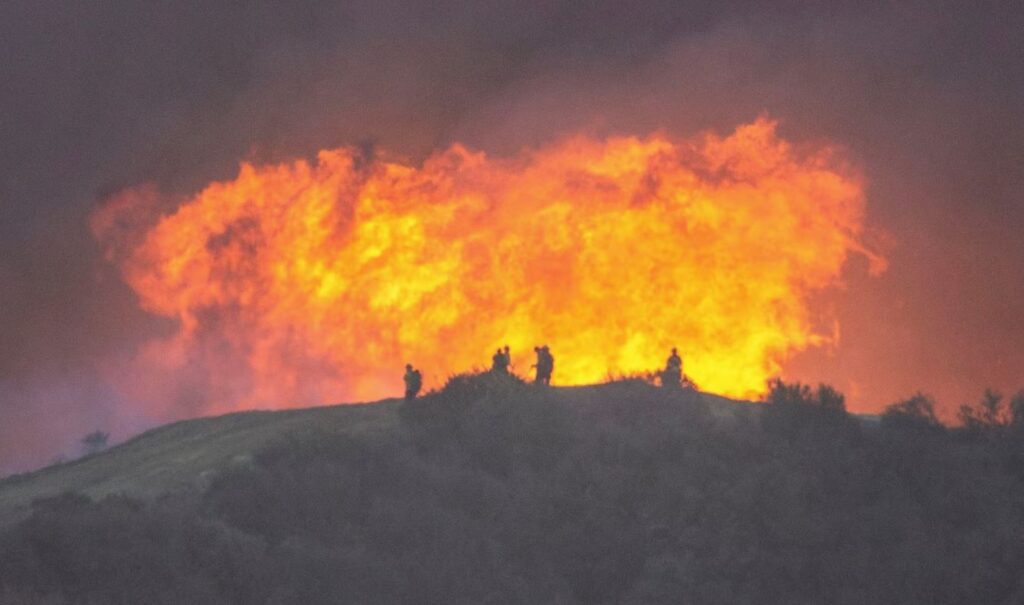
On Saturday, firefighters scrambled to combat the largest fire in Los Angeles as it expanded by 400 hectares and shifted direction. The Santa Ana winds that fuel these fires are expected to strengthen through Tuesday, with gusts reaching up to 112 kph.
Devastating Impact of the Fires
Four active wildfires have scorched over 16,000 hectares and destroyed more than 12,000 structures. Approximately 150,000 residents have been evacuated, with 700 seeking shelter in nine emergency centers. The largest blaze, the Palisades Fire, remains only 11% contained and threatens to cross Interstate 405 into more densely populated areas.

Massive Response Efforts Underway
The firefighting operation involves over 14,000 personnel, 1,354 fire engines, 84 aircraft, and teams from nine states and Mexico. Cal Fire Operations Chief Christian Litz emphasized the urgency of the mission, saying, “We need to be aggressive out there.”
Prioritizing Life and Safety
Jim Hudson, a Cal Fire incident commander, outlined the response priorities: “Life, your property, and permanent control of the flames.”
As California grapples with this devastating disaster, investigations into the causes and contributing factors are ongoing.

