



Following prolonged power outages in the area, residents are being advised to exercise caution when returning to their homes, as electrical and structural hazards may still be present even after power is restored.
Homeowners should begin by conducting a thorough walk-through of their property before switching on any electrical appliances. Special attention should be given to outdoor areas, where downed or damaged power lines, loose cables, or debris may pose serious risks. Any fallen lines should be treated as live, and authorities should be notified immediately rather than attempting to handle them.
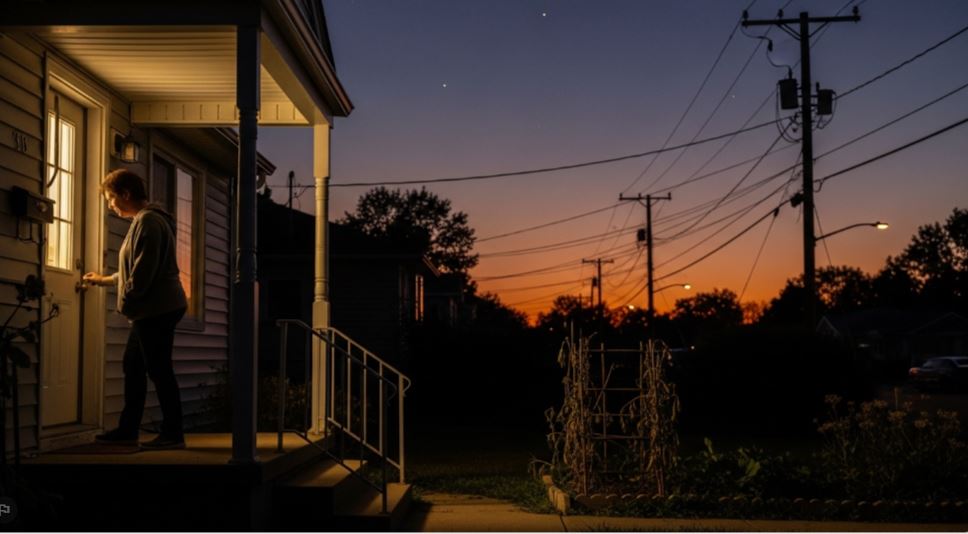
Inside the home, residents are urged to carefully inspect electrical systems and appliances. Exposure to extremely low temperatures or flooding can damage wiring, outlets, circuit breakers, and electronic devices. Signs such as unusual smells, sparks, discoloration around outlets, or malfunctioning appliances may indicate hidden damage that could lead to electrical fires or shocks.
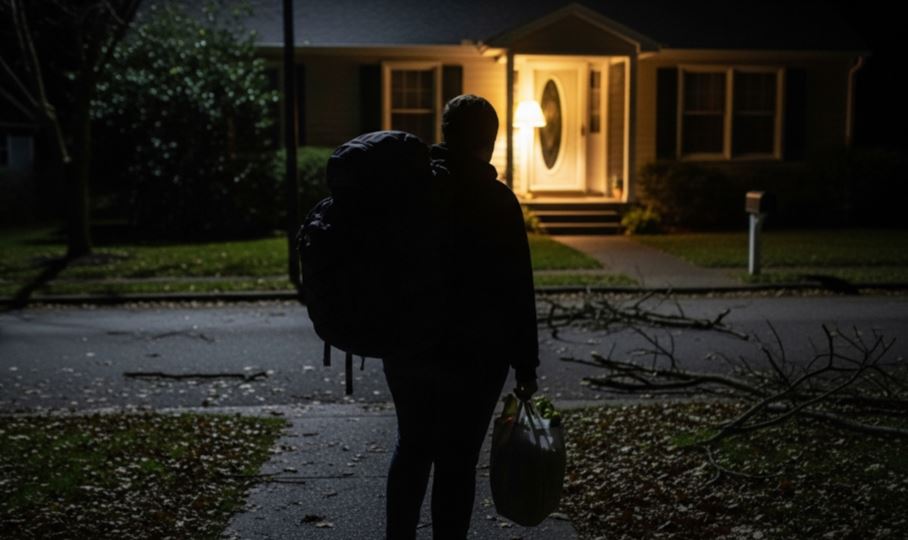
It is also recommended to turn appliances back on gradually instead of all at once, reducing strain on the electrical system. Heating systems, water heaters, and major appliances should be checked to ensure they are functioning properly and safely.
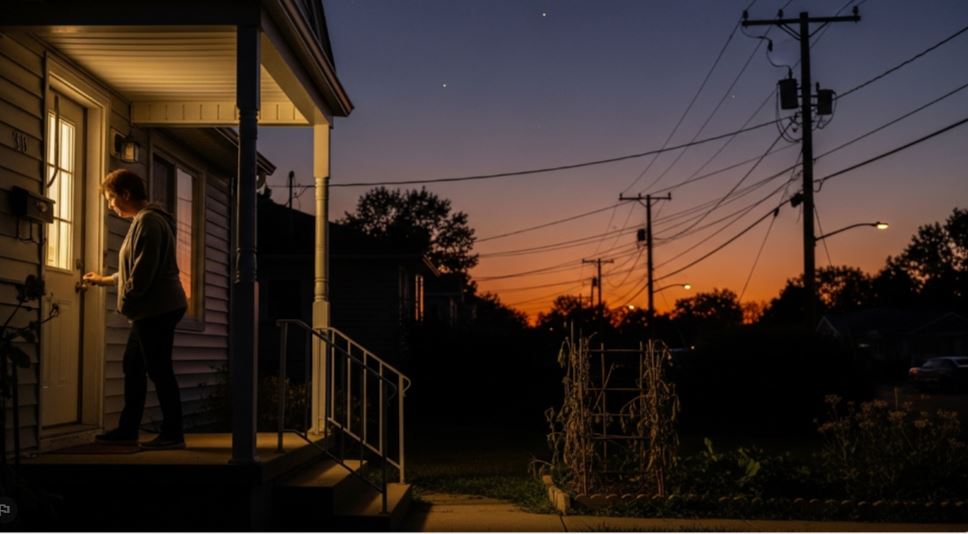
If there is any uncertainty about the condition of electrical equipment or home wiring, residents should seek assistance from a licensed electrician or contact their local utility provider. Taking these precautions can help prevent injuries, property damage, and further disruptions as communities recover from extended power outages.


