


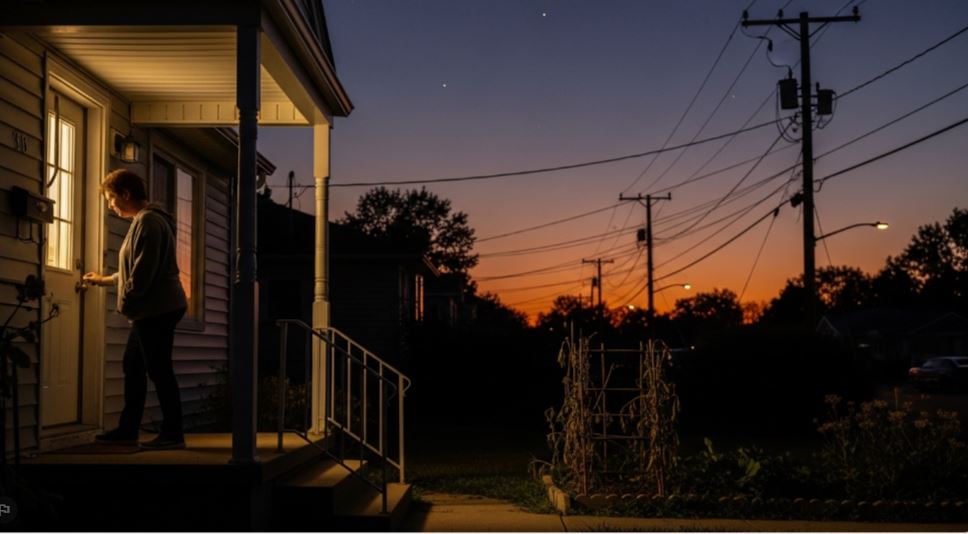
Recovering from a disaster does not happen overnight. It is a step-by-step process that begins with ensuring your safety and the safety of your family. Always follow instructions from local authorities to understand when it is safe to return home and what dangers to look out for.
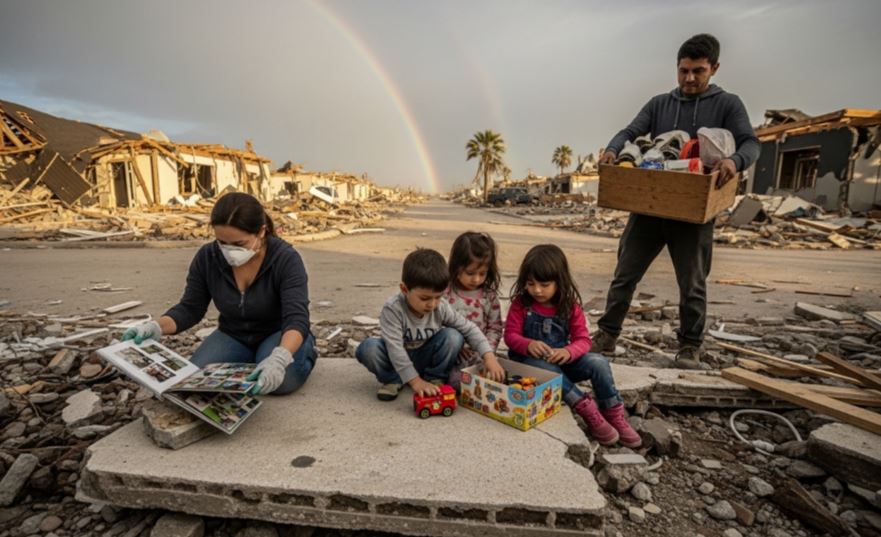
Help may come from several sources. If you have insurance, your insurance provider is a key starting point. Community organizations and local government agencies can also guide you on available assistance and recovery options. The goal is to slowly restore your home, your surroundings, and your daily life.
Contacting Insurance and Reporting Damage
If you have insurance coverage, contact your insurance agent as soon as possible to file a claim. Before starting any cleanup, document all damages by taking clear photographs and preparing a detailed list of losses.
Keep all receipts related to repairs, temporary housing, and cleanup expenses. These documents are important for insurance claims and financial assistance.
If your losses are not covered by insurance, reach out to your local emergency management agency. Inform local officials about the damage you have experienced and any urgent help you may require.

For immediate needs such as food, shelter, or basic supplies, local authorities and volunteer organizations are often the fastest and most reliable sources of support.
Replacing Important Documents
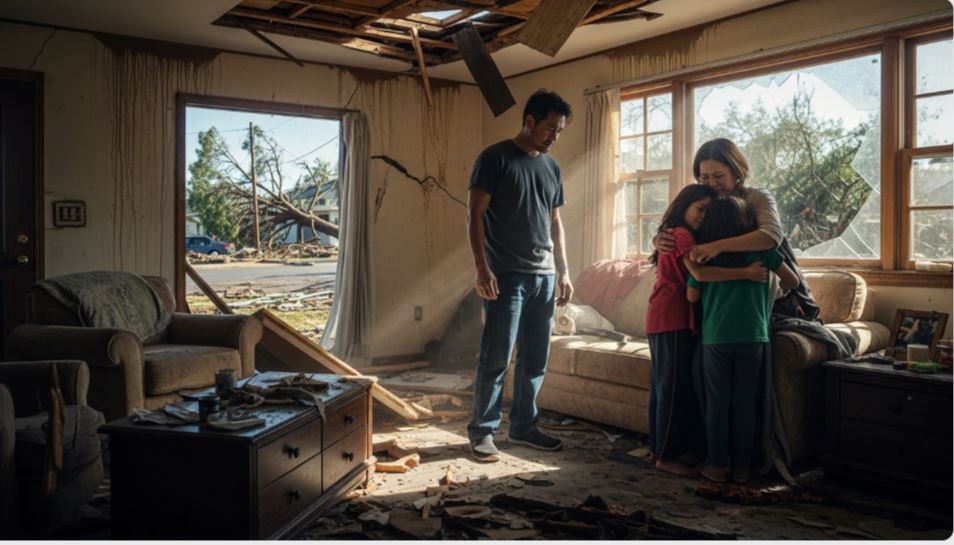
Losing vital documents during a disaster can be stressful and confusing. Important papers such as identification, property records, and financial documents can usually be replaced with help from state and federal agencies. FEMA provides guidance and resources to help survivors begin this process and connect with the right offices.
Taking Care of Yourself and Your Family
Your family’s health and safety should remain your top priority after a disaster. Be alert to both physical injuries and emotional stress, as recovery can be mentally and emotionally demanding.
Returning home can be difficult. Do not go back until local officials confirm it is safe. Even then, move cautiously and be prepared for hazards.
Provide first aid when needed and seek medical care for anyone who is injured. Do not move severely injured individuals unless they face immediate danger. If you must move an unconscious person, stabilize the neck and spine first and call for emergency assistance right away.
Staying Alert to Safety Hazards
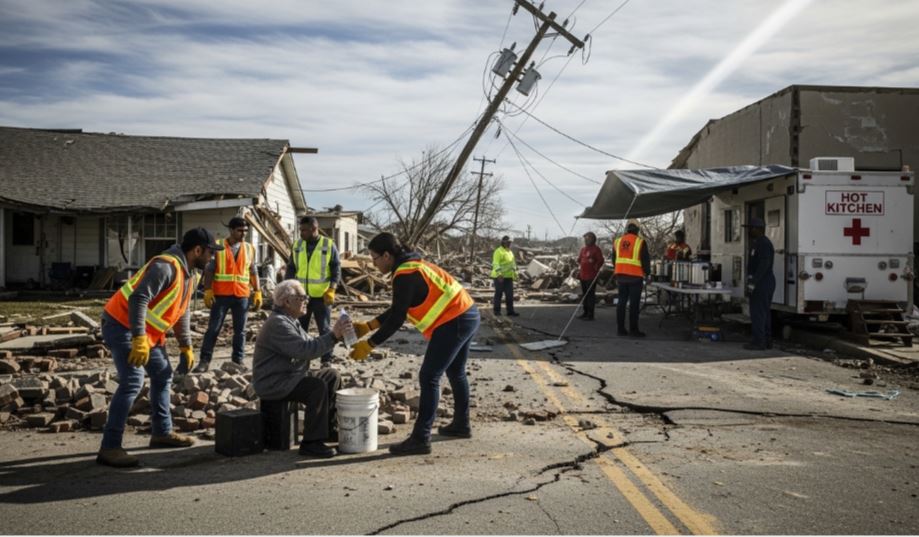
Disasters often create new and unexpected dangers. Be cautious of damaged roads, unsafe buildings, polluted water, gas leaks, shattered glass, exposed wiring, and slippery surfaces.
Before entering your home, carefully inspect the exterior. Look for downed power lines, gas smells, and signs of structural damage. If you are unsure whether the building is safe, have it inspected by a qualified professional before going inside.
Be aware of animals hiding in debris, including snakes and other dangerous wildlife. Use a stick or tool to move debris instead of your hands.
Do not enter your home if you smell gas, if floodwater is still surrounding the structure, or if authorities have not officially cleared the area for return.
Report serious hazards such as chemical spills, damaged power lines, blocked roads, smoldering materials, or dead animals to local authorities immediately.
Keep a battery-powered radio with you to stay informed and receive emergency updates from officials as recovery efforts continue.

