


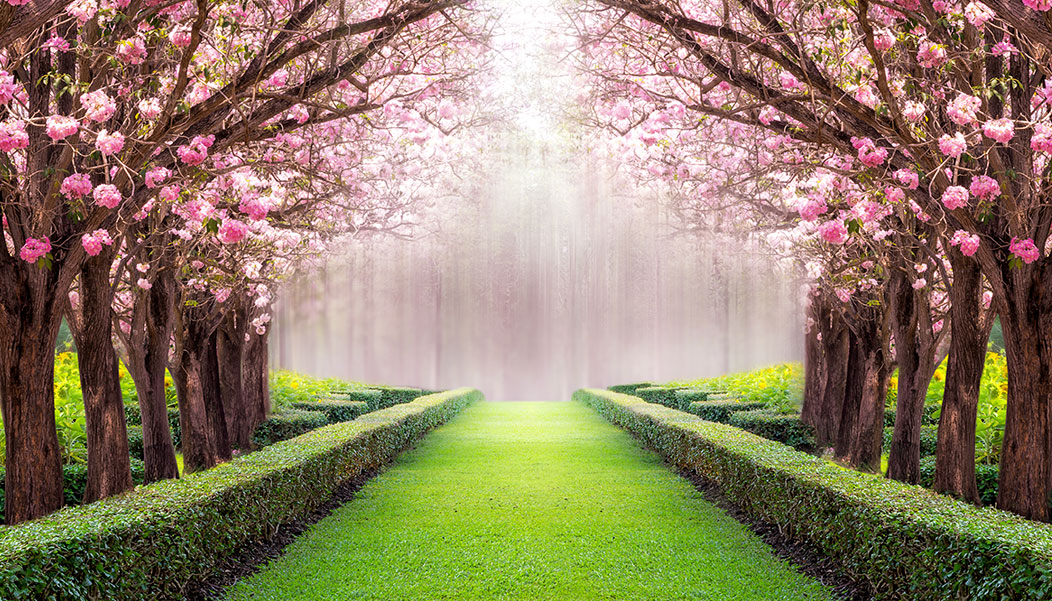
Residents with gardens or seasonal allergies may have already noticed plants blooming earlier than usual, even before last month’s hard freeze. Experts say this is no longer unusual. Average winter temperatures in Houston and across Texas continue to rise, making early blooming a growing pattern rather than an exception.
Houston’s Winters Are Getting Warmer
Historical records from the National Weather Service show a clear warming trend. Since 1892, four of Houston’s five warmest Decembers and Januarys have occurred within the past two decades. February has followed the same pattern, with all five of the warmest average February temperatures recorded since 2012.

Winter Still Expected to Run Warmer Than Normal
Despite the recent cold snap, this winter is still expected to be warmer than average. Texas State Climatologist John Nielsen-Gammon says warming is consistent across all seasons. He explains that temperatures statewide have risen by roughly a couple of degrees Fahrenheit, with no single season standing out. According to him, climate change is pushing temperatures upward year-round, affecting every part of the annual cycle.
Climate Change Is Already Visible in Plants

Nielsen-Gammon says the effects of warming temperatures can be seen in everyday surroundings. Spring wildflowers are already blooming in some neighborhoods, which disrupts the natural timing of plant growth. While early blooming may not seem serious on its own, mismatched timing across different plant and animal communities can lead to broader ecological consequences.
Warm Spells Followed by Freezes Stress Plants
Mike Arnold, a horticultural sciences professor and director of The Gardens at Texas A&M, warns that fluctuating winter temperatures can be especially harmful. Periods of warmth followed by hard freezes can damage trees and large shrubs in ways they are not built to withstand. Repeated freeze damage to trunks and main branches can weaken plants over time and eventually lead to long-term decline.

Early Blooms Threaten Pollinators and Wildlife
Arnold explains that early blooming can also disrupt pollinators. If flowers emerge too soon and are later killed by freezing temperatures, insects such as honeybees lose critical early food sources. This can reduce pollinator populations and ripple through the ecosystem, affecting birds, mammals, and other wildlife that depend on flowers and fruit for survival.
Changing Bloom Cycles May Trigger Early Allergies
Off-cycle blooming can also shift the start of allergy season. In Texas, winter warm-ups can cause juniper-related plants to release pollen earlier than normal, triggering what many people know as cedar allergies. These unexpected bloom periods can lead to increased allergy symptoms outside the typical season.
Pollen Can Travel Far Beyond Its Source
Arnold notes that pollen does not always stay local. Winds can carry pollen hundreds of miles, meaning blooms in regions such as West Texas or even other states can contribute to allergy problems in the Houston area.
How Gardeners Can Protect Plants
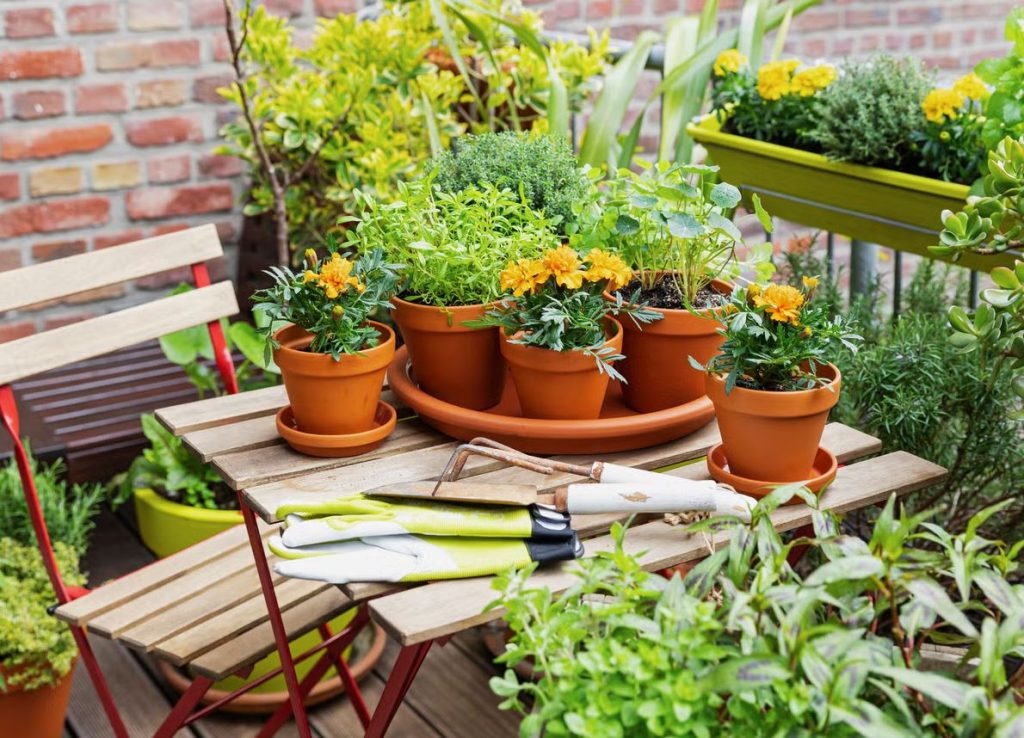
For gardeners noticing early growth, Arnold advises covering plants ahead of potential freezes, though larger plants may still be vulnerable. He also encourages patience when it comes to pruning and cleanup. Leaving damaged or unattractive plant material in place until normal spring conditions arrive can help protect plants from further harm and improve their chances of recovery.

