


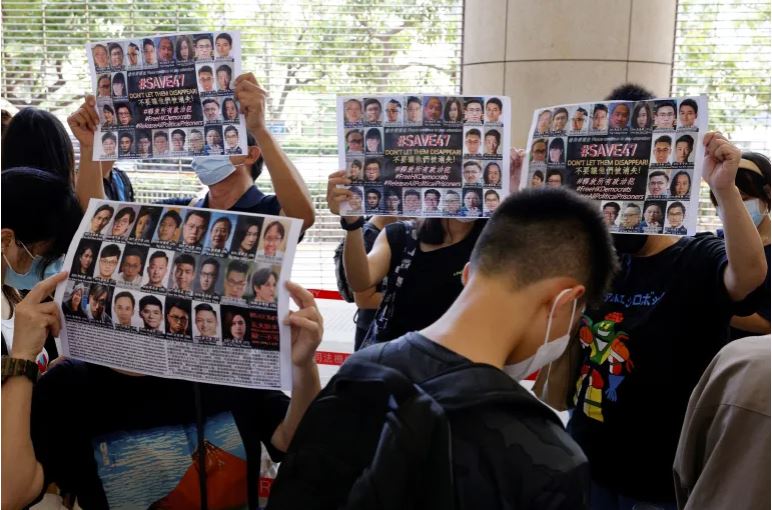
A Hong Kong court has handed down severe sentences to leading pro-democracy figures in a high-profile trial under the controversial National Security Law (NSL), signaling a major blow to the city’s democracy movement.
Key Leaders Sentenced for Subversion
Prominent activists Benny Tai and Joshua Wong were among the 47 pro-democracy lawmakers and activists tried for subversion. Tai, a former law professor and mastermind of the unofficial primary election plan, received a 10-year sentence, while Wong was sentenced to over four years. Most of the group were found guilty of conspiring to subvert state power, with only two acquitted.
Largest Application of the NSL
The trial, the largest use of the NSL since its imposition by Beijing in 2020, has drawn global criticism. The law, introduced after the massive 2019 pro-democracy protests, has been widely condemned for curbing freedoms in Hong Kong. The protests, initially triggered by a proposed extradition treaty with mainland China, evolved into broader calls for democratic reforms.
Global Criticism and Concerns
The United States described the trial as “politically motivated,” while Australia expressed “grave concerns” over the sentencing, particularly of its citizen Gordon Ng. Human Rights Watch labeled the case as evidence of Hong Kong’s steep decline in civil liberties and judicial independence.
Beijing Defends the Law
The Hong Kong and Beijing governments maintain that the NSL is essential for stability and sovereignty. They argue the convictions serve as a warning against activities perceived as threats to national security. Judges in the case ruled that the activists’ plan for the primary election aimed to create a constitutional crisis and subvert government operations.
Harsh Sentences for Pro-Democracy Figures
The sentencing saw a range of prison terms, from four to ten years. Gwyneth Ho, a former journalist turned politician, and ex-lawmakers Claudia Mo and Leung Kwok-hung also received sentences between four and seven years. Judges noted Wong’s lack of “good character,” denying him further sentence reductions despite his guilty plea.

Fallout of the Pro-Democracy Primary
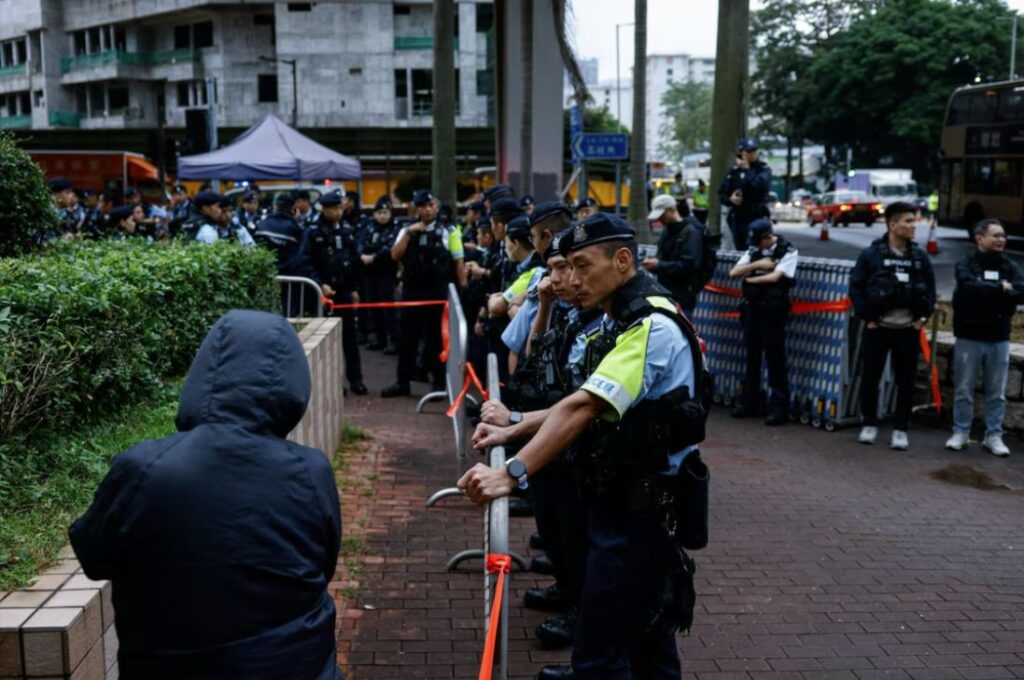
The unofficial primary election in July 2020 aimed to strengthen the opposition’s influence in the Legislative Council. Over half a million Hongkongers participated, but Beijing accused the organizers of attempting to overthrow the government. Arrests followed in early 2021, and the trial marked a turning point for the pro-democracy movement.
Impact on Hong Kong’s Political Landscape
Observers say the trial highlights the erosion of Hong Kong’s legal system and democratic freedoms. John P. Burns, emeritus professor at the University of Hong Kong, argued that the case exemplifies how Beijing is reasserting control, with national security as a central focus.
Activists Highlight Beijing’s Challenges
Despite the crackdown, activists argue that Beijing has failed to win over the public. Sunny Cheung, an exiled activist, remarked, “They may have wiped out the opposition, but they’ve lost an entire generation. Trust in the government has eroded.”
A Grim Precedent for Political Dissent
The sentencing sets a harsh precedent for handling political dissent under the NSL. According to Stephan Ortmann, assistant professor at the Hong Kong Metropolitan University, self-censorship has become pervasive, and public support for the democracy movement has dwindled.
As Hong Kong’s pro-democracy movement faces an uncertain future, the case underscores the deep divisions between Beijing’s objectives and the aspirations of the city’s residents.

