


Heavy rains inundate Bridge Shelter for the third time in seven years, highlighting growing risks for unhoused communities amid extreme weather
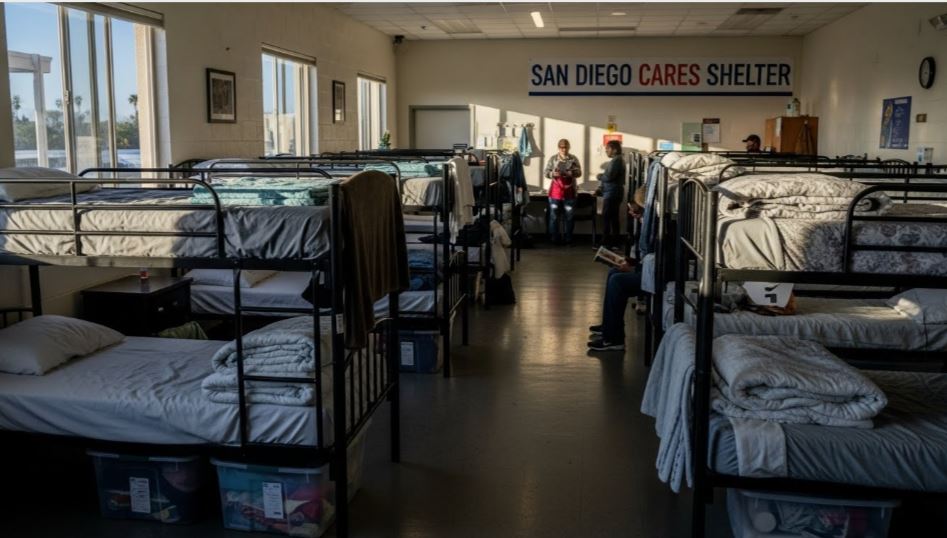
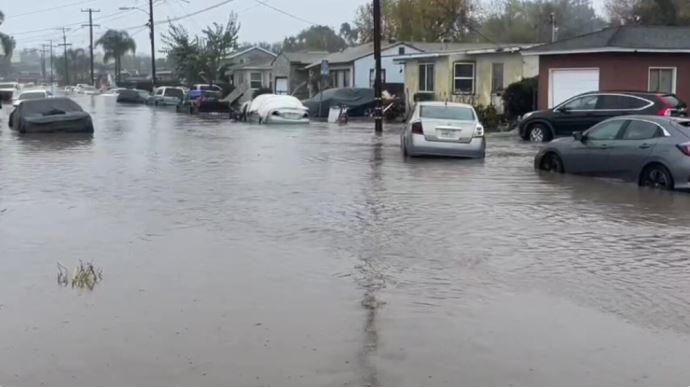
Hundreds of people were forced to evacuate a major homeless shelter in downtown San Diego after intense rainfall on New Year’s Day caused severe flooding across the area.
According to local officials, around 325 men and women staying at the Bridge Shelter were moved out of the facility after storms dumped nearly two inches of rain in a single day, roughly equivalent to a month’s rainfall. The downpour shattered local records and led to multiple water rescues throughout the city, as reported by the San Diego Union-Tribune.
The Bridge Shelter, a large tent-style facility, was evacuated on New Year’s Day, and residents were temporarily relocated to a gymnasium at a nearby public park. This marked the third time in seven years that flooding has forced occupants to flee the shelter.
Southern California has been battered by a series of powerful storms in recent weeks, prompting Governor Gavin Newsom to declare a state of emergency. Meteorologists warned that the rainfall was likely to continue through the weekend, raising concerns about further flooding and landslides.
The storms come less than a year after devastating wildfires swept through parts of the region. In response to the ongoing rain, the Los Angeles Fire Department issued evacuation warnings for burn-scarred areas due to the risk of debris flows, while the National Weather Service placed several regions under a flood watch, noting that areas near wildfire scars are especially vulnerable to flash flooding.

Experts say such extreme weather events are becoming more frequent due to climate change, with people experiencing homelessness often bearing the brunt of these disasters. Bob McElroy, chief executive of Alpha Project, the nonprofit organization that operates the Bridge Shelter, described the evacuation as a grim way to begin the year.
Residents of the shelter had previously been displaced by flooding in both 2018 and 2024. Last year, floodwaters reportedly reached waist height, forcing people to wade through water to escape the site. A similar flash flood struck the shelter roughly five years earlier.
Advocates warn that disasters not only displace people temporarily but also worsen long-term housing insecurity. Steve Berg of the National Alliance to End Homelessness has noted that such events reduce available housing and make it harder for those who lose homes to find affordable alternatives.
Data from the Internal Displacement Monitoring Centre shows that in 2024 alone, about 11 million people across the United States were displaced by natural disasters. In some cases, the impact has been dramatic. Following the 2023 wildfires in Maui, Hawaii, homelessness in the state rose by 83 percent, according to the US Department of Housing and Urban Development.
Legal and environmental researchers emphasize that disasters affect both housed and unhoused populations. While temporary solutions such as emergency shelters and camps may address immediate needs, long-term recovery is far more difficult when housing stock is destroyed and rental markets are already strained.
Despite the repeated evacuations and ongoing hardship, some shelter residents remain hopeful. Michael Coats, 68, who was staying at the Bridge Shelter with his wife, said his faith keeps him moving forward. He told a local NBC affiliate that he believes perseverance will eventually lead them back to stable housing and a place they can once again call home.

