


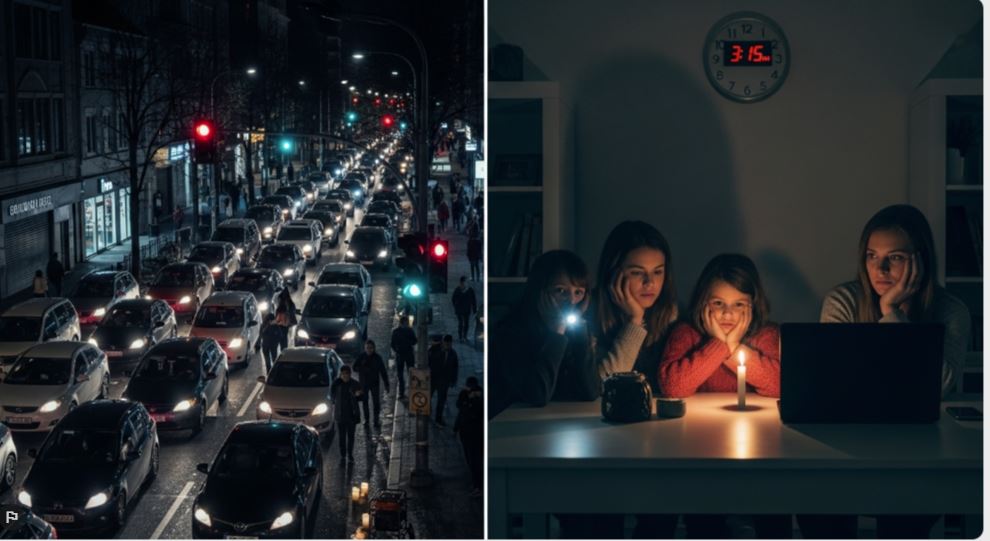
Long-lasting power outages can affect entire communities and have serious economic consequences. A power outage occurs when electricity stops unexpectedly, often due to severe weather or infrastructure damage.
Power outages can interrupt communication systems, water supply and transportation networks. They may also force the closure of grocery stores, gas stations, banks, ATMs and other essential services. Prolonged outages can lead to food spoilage, water contamination and interruptions in the use of medical devices that rely on electricity.
How to Stay Safe During a Power Outage
If temperatures become dangerously hot or cold, residents are advised to go to a community location where power is available. Refrigerators and freezers should remain closed as much as possible to preserve food. Generators should only be used outdoors and positioned away from windows and doors.
Gas stoves or ovens should never be used to heat homes, as this significantly increases the risk of carbon monoxide poisoning, fires and burns, and may damage appliances. To prevent damage from electrical surges when power is restored, unplug or disconnect appliances and electronic devices.

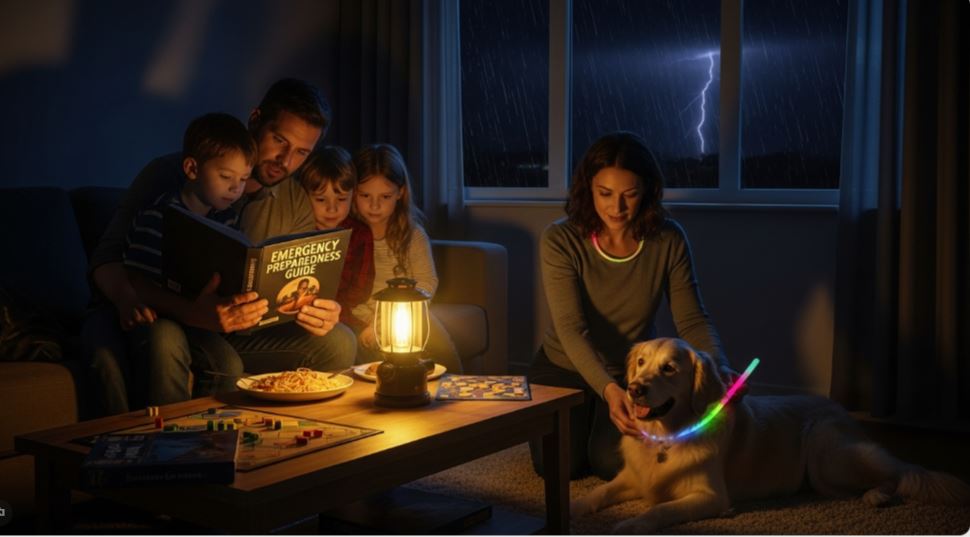
Residents who depend on electricity-powered medical equipment should make alternative arrangements in advance for power and refrigeration needs.
Preparing in Advance for a Power Outage
Households are encouraged to make a list of essential items that require electricity and plan for backup power solutions such as batteries, portable chargers or power banks. Flashlights should be available for every household member.
Residents should also determine whether their home phone will function during an outage and how long any battery backup systems will last.
Planning for Medical Needs
Individuals who rely on refrigerated medications or medical devices should speak with their healthcare providers about emergency plans. It is important to know how long medications can safely be stored at higher temperatures and to receive specific instructions for medications that are critical to survival.
Safe Use of Appliances During Outages
Carbon monoxide detectors with battery backup should be installed on every level of the home. Equipment such as generators, camp stoves and charcoal grills must always be used outdoors and at least 20 feet away from windows, doors and garages.
All appliances, electronics and equipment should be turned off or unplugged during an outage, as power can return with sudden surges that may cause damage.
Food Safety and Storage Guidelines
Households should stock enough nonperishable food and water to last through an outage. Refrigerators will typically keep food cold for up to four hours if unopened, while a full freezer can maintain safe temperatures for about 48 hours.
If needed, coolers with ice can be used to preserve food. Food temperatures should be monitored using a thermometer, and any food exposed to temperatures of 40 degrees or higher should be discarded.
Generator Safety Precautions
Generators can be useful during power outages but must be used with extreme caution. Generators and fuel should always be kept outdoors and at least 20 feet away from homes. Carbon monoxide detectors should be installed and maintained, as carbon monoxide is a colorless, odorless gas that can be deadly to people and pets.
Generators should be kept dry and protected from rain or flooding to prevent electric shock. Heavy-duty extension cords should be used to connect appliances. The generator should be allowed to cool before refueling to avoid fire hazards, and manufacturer instructions must be followed closely.
When to Discard Food and Medication
Any food that has been exposed to temperatures of 40 degrees or higher for two hours or more, or that shows unusual odor, color or texture, should be thrown away.
If the power outage lasts longer than one day, refrigerated medications should be discarded unless the medication label states otherwise. In such cases, residents should contact their doctor or pharmacist immediately to obtain a replacement supply.

