


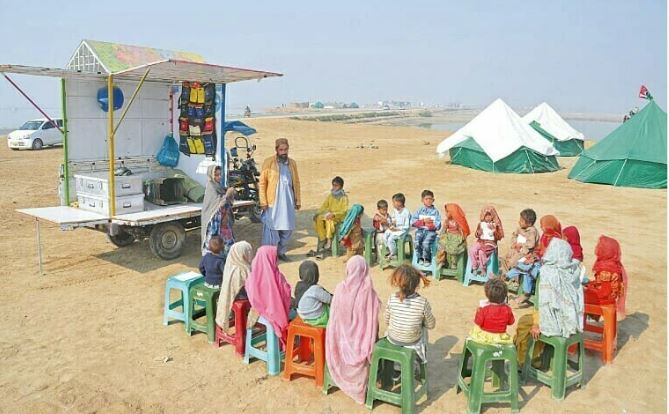
The United Nations Children’s Fund (UNICEF) has called for $149 million in humanitarian aid to protect the lives of vulnerable groups in Pakistan, including Afghan refugees. This appeal is aimed at addressing the urgent needs of over three million Afghan refugees residing in the country, nearly half of whom are children.
Breakdown of UNICEF’s Aid Commitment
According to a report , the funds will be distributed as follows: $41.6 million for food emergencies, $59.8 million for general humanitarian assistance, $34.5 million for refugee and host community support, and $5 million for disaster risk reduction and resilience-building efforts.
Afghan Refugees in Pakistan
Pakistan is home to more than three million Afghan refugees, many of whom lack access to basic facilities and live in precarious conditions. Almost 49 percent of these refugees are children, often living with varying legal statuses, and are in dire need of essential services like healthcare, nutrition, and shelter.
Impact of Climate Change on Pakistan’s Vulnerability
Pakistan is one of the most vulnerable countries in the world due to climate change, which disproportionately impacts women and children. Natural disasters such as floods and heatwaves have worsened over time, increasing the risks of displacement, food insecurity, and malnutrition.
Food Insecurity and Malnutrition Threatening Children’s Health
The effects of climate change have further disrupted food security in Pakistan, leading to widespread malnutrition and stunted growth in children, especially in underdeveloped areas. The country ranks fifth globally in terms of severe climate hazards, with more frequent and destructive floods and heatwaves exacerbating the situation.
Floods and Their Devastating Impact on Communities
Recent floods have displaced thousands of families, destroying homes, schools, and healthcare facilities, and disrupting access to clean water. These disasters increase the risk of diseases and severely affect the well-being of children, with the devastating floods of 2022 alone impacting 33 million people, half of whom were children.

The Urgent Need for Climate Adaptation and Disaster Risk Reduction
UNICEF emphasizes the urgent need for investments in climate change adaptation and disaster risk reduction to protect vulnerable populations, especially children, from the harmful effects of these recurring natural disasters.
Rising Food Insecurity and Malnutrition in Pakistan
Pakistan is facing a severe food insecurity crisis, with 16 percent of its population unable to access essential services, including healthcare and nutrition. Children are particularly vulnerable to the long-term effects of malnutrition, which can hinder their development and weaken their immune systems.
Malnutrition Rates and the Impact on Women and Children
Pakistan has a malnutrition rate of 17.7 percent, with 16 percent of the population exceeding the emergency threshold. The nutritional status of women and girls is of particular concern, as high malnutrition rates negatively impact birth outcomes and put both mothers and children at greater risk of health complications.
Risk of Increased Mortality Among Children
If immediate action is not taken to address this nutritional emergency, the mortality rate for children under five could rise significantly. The worsening food insecurity, compounded by climate change and economic instability, poses a grave threat to the future of Pakistan’s children.
Burden of Afghan Refugees on Pakistan’s System
The long-term presence of Afghan refugees, who have been in Pakistan for over four decades, has added to the strain on an already overburdened system. The ongoing uncertainty surrounding government efforts to repatriate undocumented Afghan nationals further exacerbates the challenges faced by both refugees and the local population.

