


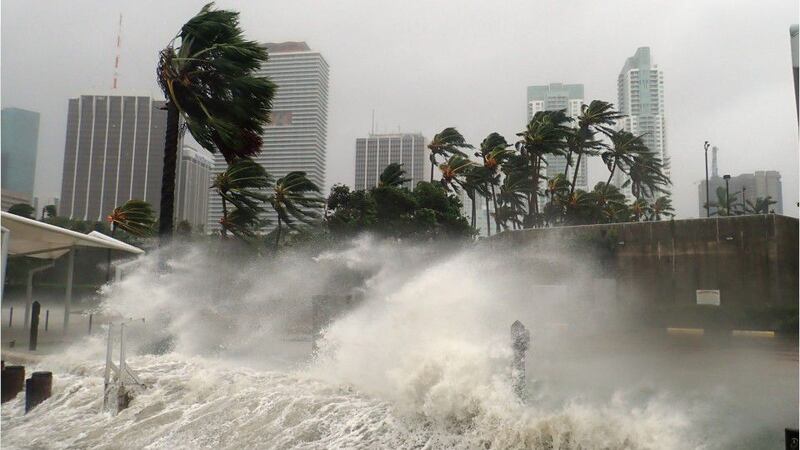
Hurricanes are among nature’s most destructive forces, capable of unleashing catastrophic storm surges, dangerous winds, rip currents, and flooding. While many people associate them with coastal areas, hurricanes and typhoons can bring devastating impacts far inland, disrupting lives and destroying communities.
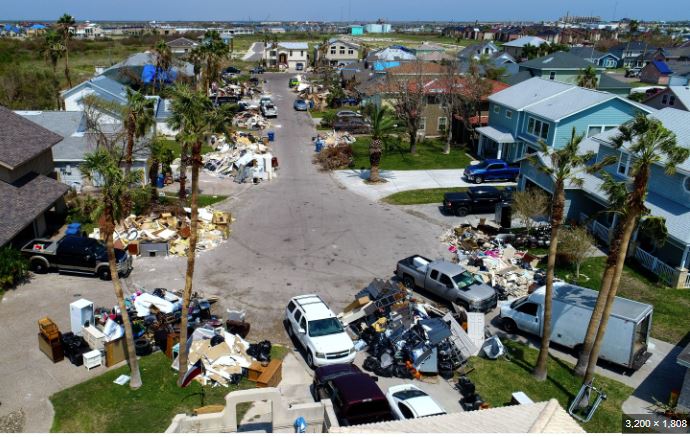
According to disaster experts, storm surge is historically the leading cause of hurricane-related deaths in the United States. In the western North Pacific, these powerful storms are known as typhoons, but regardless of the name, their impact can be equally severe.
Hurricane & Typhoon Seasons
- Eastern Pacific Hurricane Season: May 15 – November 30
- Atlantic Hurricane Season: June 1 – November 30
- Central Pacific Typhoon Season: June 1 – November 30
With these months marking peak danger, communities must remain vigilant and prepared.
Preparing Before the Storm
Know Your Risk
Hurricanes are not just a coastal issue. Rain, tornadoes, and flooding can occur far from where a storm makes landfall.
Make an Emergency Plan
Families are advised to create clear action plans covering homes, workplaces, schools, and daycare centers. Businesses should also design continuity strategies to keep operations running during disasters.
Learn Evacuation Routes
Residents in evacuation zones may have to leave at a moment’s notice. Practicing evacuation routes with family and pets, and identifying safe shelters, can save lives.

Stay Alert
The FEMA app, local alerts, and systems like the EAS and Wireless Emergency Alerts (WEA) provide life-saving information. Experts recommend keeping multiple alert channels active.
Secure Homes and Essentials
- Clear gutters and drains.
- Bring in outdoor furniture.
- Install hurricane shutters if possible.
- Keep documents, IDs, and insurance papers updated and safely stored.
- Stock up on food, water, medication, and pet supplies.
Safety During the Storm
When a hurricane strikes, experts stress listening to local officials above all else.
- Evacuate immediately if ordered.
- Take shelter in a storm-safe room or sturdy interior space.
- Avoid attics during flooding, as rising water can trap occupants.
- Never walk, swim, or drive through floodwaters — just six inches of fast-moving water can knock a person down, and one foot can sweep a car away.
Returning After a Hurricane
Recovery can be just as dangerous as the storm itself. Authorities urge residents to:
- Follow official instructions during cleanup.
- Wear protective clothing and masks, especially when dealing with mold or debris.
- Avoid using wet electrical equipment.
- Stay clear of floodwaters that may contain pathogens, chemicals, or live power lines.
- Use text messages or social media instead of phone calls to reduce network congestion.
- Document damage for insurance claims with photos and detailed reports.
A Community Effort
Hurricanes and typhoons affect entire communities, not just individual homes. Checking on elderly neighbors, people with disabilities, and those without strong support systems can make a crucial difference.
Final Word
Hurricanes and typhoons are powerful reminders of nature’s force. While they cannot be stopped, awareness, preparation, and cooperation can greatly reduce their devastating impact. As storm seasons continue each year, communities are urged to remain alert and plan ahead — because when disaster strikes, preparation is the best defense.

