


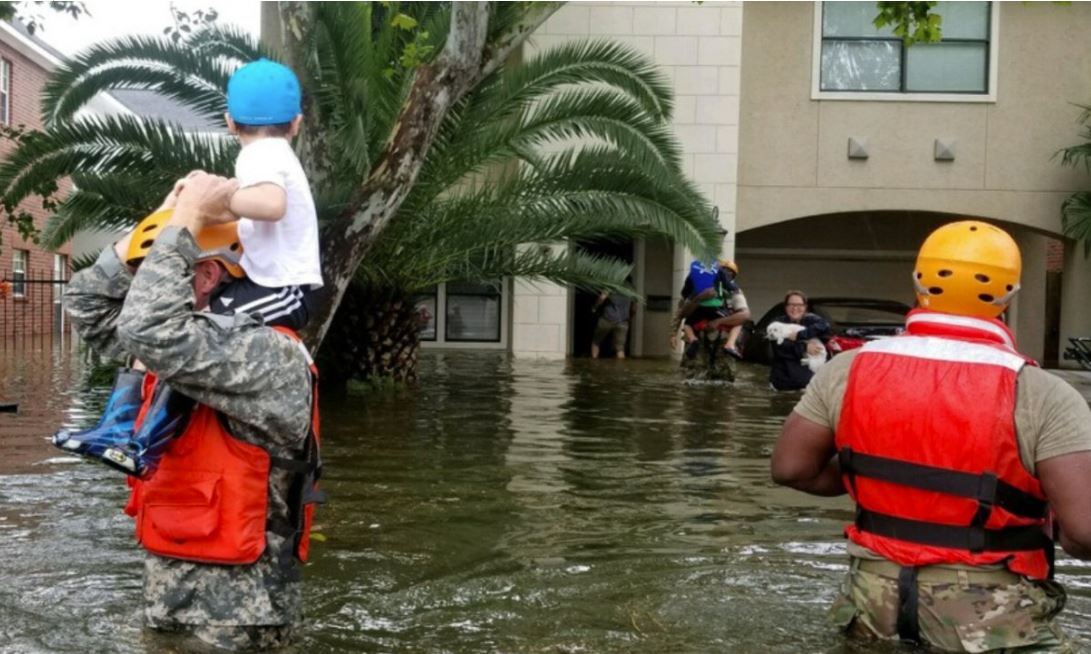
The federal government officially shut down on Wednesday after Congress and the White House failed to reach a funding agreement. With hurricane season in full swing, many Americans are concerned about how a shutdown might affect disaster relief efforts.
FEMA Still Operational, But Funding Is Tight
Most employees of the Federal Emergency Management Agency (FEMA) are classified as “essential,” meaning they can still respond to hurricanes, floods, and other emergencies even during a shutdown. However, FEMA’s ability to sustain long-term relief depends on the Disaster Relief Fund (DRF), which is running low.
A History of Funding Shortfalls
The DRF is funded annually through congressional appropriations. If the fund is depleted, FEMA needs Congress to approve additional money. During a shutdown, that critical approval cannot happen. Unfortunately, it is common for the DRF to run dry:
- The fund has required supplemental money in six of the past 10 years.
- FEMA has entered “immediate needs funding”—suspending all non-life-saving projects—10 times since 2001.
Extreme Weather Driving Rising Costs
The United States is facing increasingly frequent and severe disasters.
- 2023: A record 28 weather events each causing over $1 billion in damages.
- 2024: 27 billion-dollar disasters, totaling more than $180 billion in losses.
Yet, federal disaster budgeting has not kept pace with this growing risk.
What It Means for Americans
When FEMA runs low on funds:

- Life-saving operations continue, but recovery and rebuilding projects stall.
- Supplemental relief is delayed, placing heavier financial burdens on families.
- The broader public is left with higher costs later, as emergency funds are approved only after disasters strike.
The Need for a New Approach
The current shutdown highlights a systemic problem: America’s disaster relief system is underfunded, reactive, and dependent on unpredictable congressional action. Experts argue the country needs a proactive funding strategy that:
- Ensures steady disaster relief resources,
- Invests in resilience and rebuilding,
- Prioritizes prevention to reduce both risks and long-term costs.

