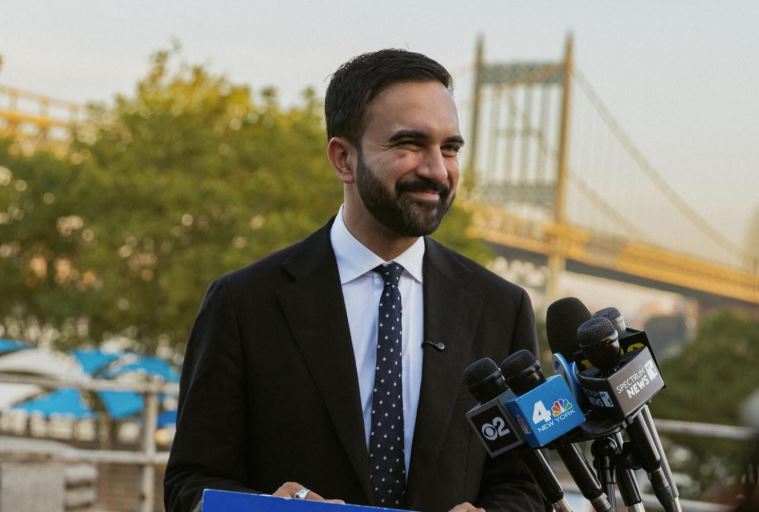
In a political moment few saw coming, Zohran Kwame Mamdani, a 33-year-old State Assemblyman from Queens, has secured a commanding lead in New York City’s Democratic mayoral primary, prompting former governor Andrew Cuomo to bow out of the race.
With 43.5% of the first-round vote, Mamdani surged ahead of Cuomo, who garnered 36.4%, in a contest that has come to symbolize a generational and ideological turning point in the city’s politics. Cuomo’s concession came swiftly, and with unexpected grace:
“This city is ready for a new kind of leadership. Tonight is his night.”
A Victory for the Grassroots
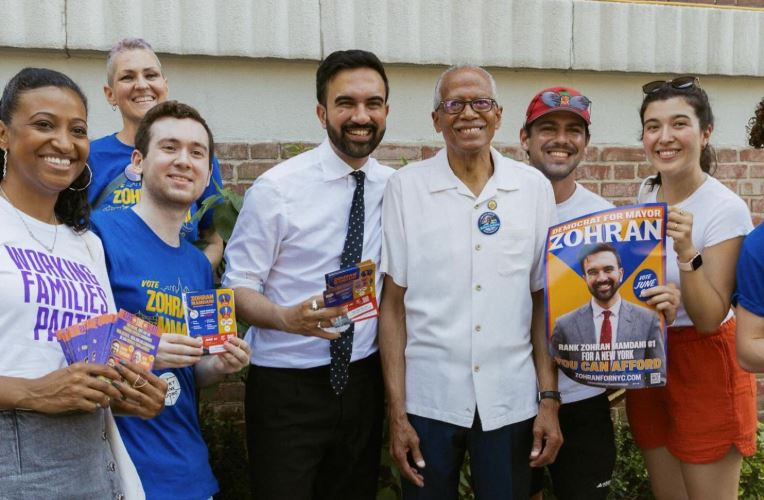
Unlike his high-profile opponent, Mamdani did not enter the race with deep-pocketed donors or legacy political machinery behind him. Instead, he leaned into the strength of his grassroots network, fueled by small-dollar donations, tireless volunteers, and a message that resonated with everyday New Yorkers: justice, affordability, dignity.
His campaign headquarters in Astoria, a historically immigrant and working-class neighborhood, became a hub for organizing that drew youth, artists, gig workers, and activists—many of whom had never participated in electoral politics before.
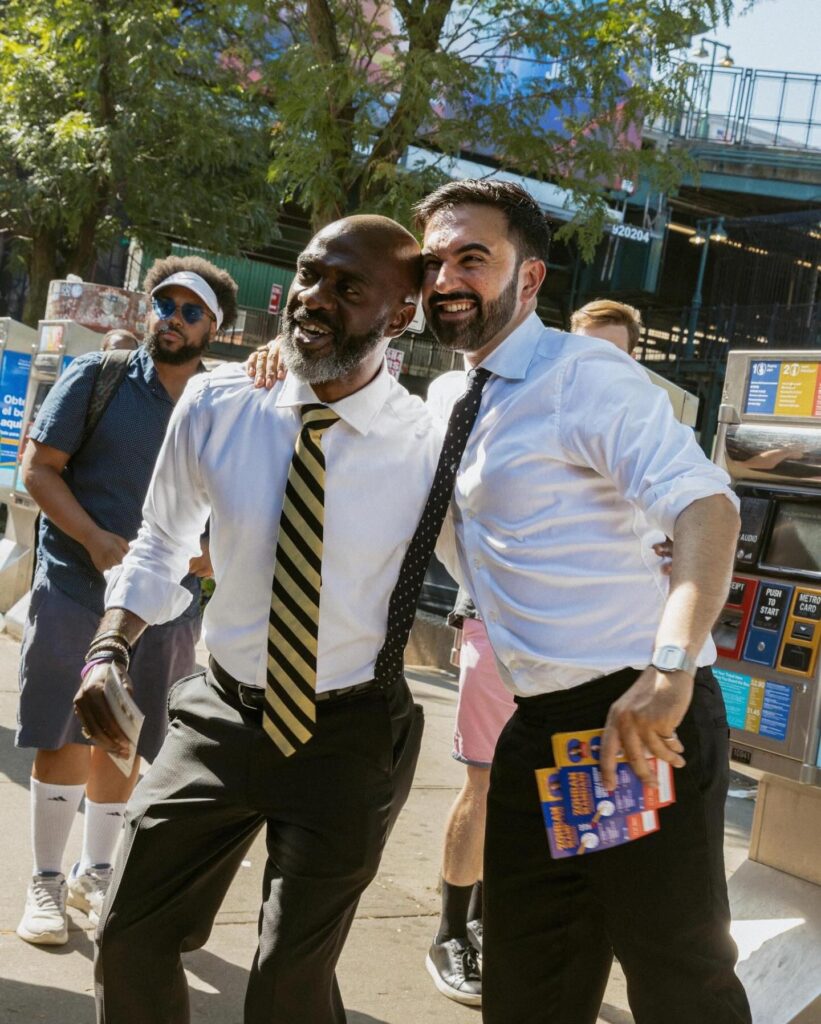
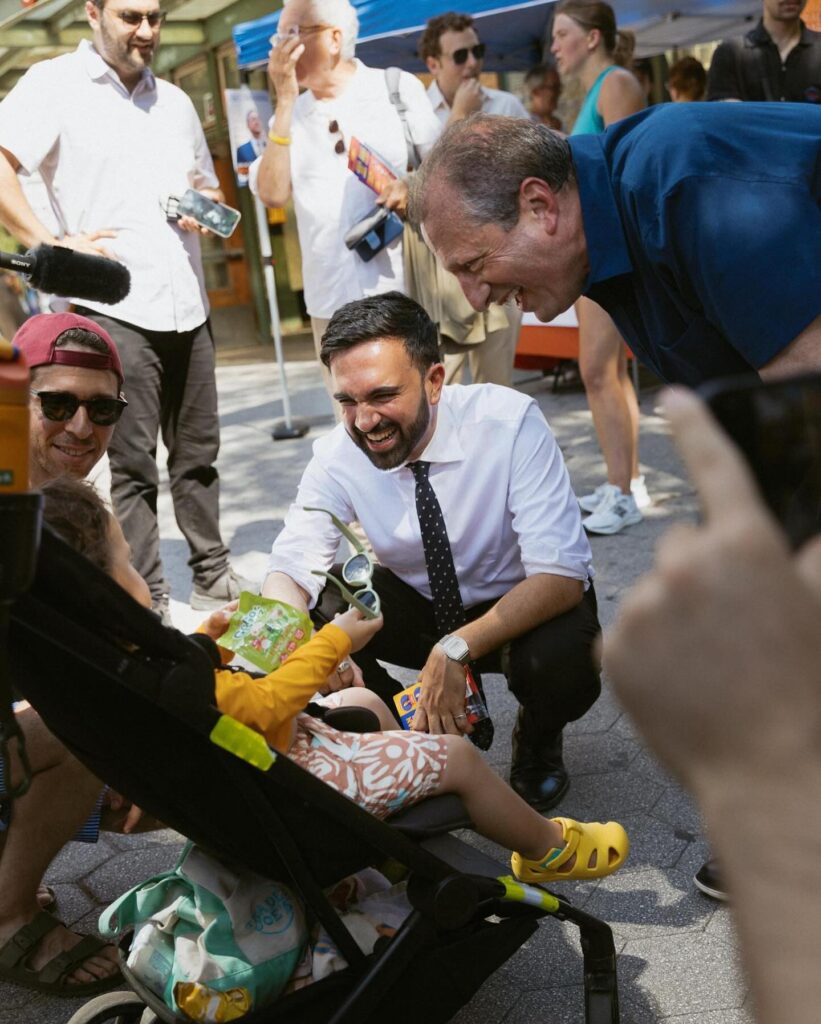
Mamdani’s approach was part insurgent, part educator. He knocked doors himself, held policy teach-ins on subway platforms, and translated campaign materials into more than a dozen languages, recognizing the polyglot reality of NYC’s five boroughs.
“This wasn’t just a campaign,” said campaign manager Lina Patel. “It was a community—built in public housing lobbies, in bodegas, in Friday prayers and Sunday sermons.”
The Rise of a Political Heir with a Cultural Soul
While Mamdani’s political momentum appears meteoric, it’s grounded in decades of cultural and intellectual legacy. His mother, Mira Nair, is one of the most celebrated filmmakers of her generation, known for centering South Asian identity in global cinema. His father, Mahmood Mamdani, is a towering academic voice in postcolonial theory and African politics.
This lineage shaped Zohran’s worldview. Born in Kampala, Uganda, and raised in New York, he carries a global consciousness rooted in justice, memory, and resistance. He’s just as comfortable quoting Frantz Fanon or Baldwin as he is talking about New York’s rent stabilization laws.
He studied at Bowdoin College, worked as a housing counselor, and became an organizer with DSA (Democratic Socialists of America) before winning a seat in the State Assembly in 2020.
Policy Vision: Big, Bold, and Local
Zohran Mamdani’s mayoral platform reads like a blueprint for the left’s urban vision:
Housing: Cancel rent increases, expand public housing, ban evictions during winter months.
Transit: Free buses, expanded subway lines to underserved areas, and investments in electric infrastructure.
Public Safety: Shift resources from NYPD to mental health professionals and crisis response teams.
Immigrant Justice: Municipal voting rights for green card holders, city IDs for all, legal defense funds for undocumented residents.
Climate: Declare a municipal climate emergency and launch a Green New Deal for NYC, including retrofitting buildings and expanding green jobs.
And perhaps most radically, Mamdani has promised to refuse donations from corporations, police unions, and real estate developers throughout his campaign and potential administration.
A Challenge to the Democratic Establishment
Cuomo’s loss signals a deepening fracture in the New York Democratic Party—between its establishment moderates and its rising progressive wing. Mamdani is part of a new generation of leaders—alongside figures like Tiffany Cabán, Jumaane Williams, and Alexandria Ocasio-Cortez—who are changing the party from the inside.
Former Governor Cuomo, despite his comeback attempt, remained mired in the shadows of past scandals and an aura of aloofness. His campaign was structured, well-funded, but lacked the authenticity and urgency that Mamdani’s team projected from day one.
“New York didn’t just vote for a person—they voted for a politics,” said political analyst Jamal Greene. “This is a signal that voters are done waiting for incremental change.”
The Road Ahead: November and Beyond
While the final certification of ranked-choice voting results will take place on July 1, Mamdani’s path to the mayoralty is now widely considered inevitable, given the Democratic Party’s dominance in the general election.
If elected, Mamdani would become New York City’s first South Asian, first Muslim, and youngest mayor in over a century.
But governing will bring its own tests. His policy proposals will collide with the interests of powerful lobbies and bureaucratic inertia. Still, his supporters are hopeful that his commitment to organizing from below will give him a different kind of power—a mandate from the people, not just the ballot.