


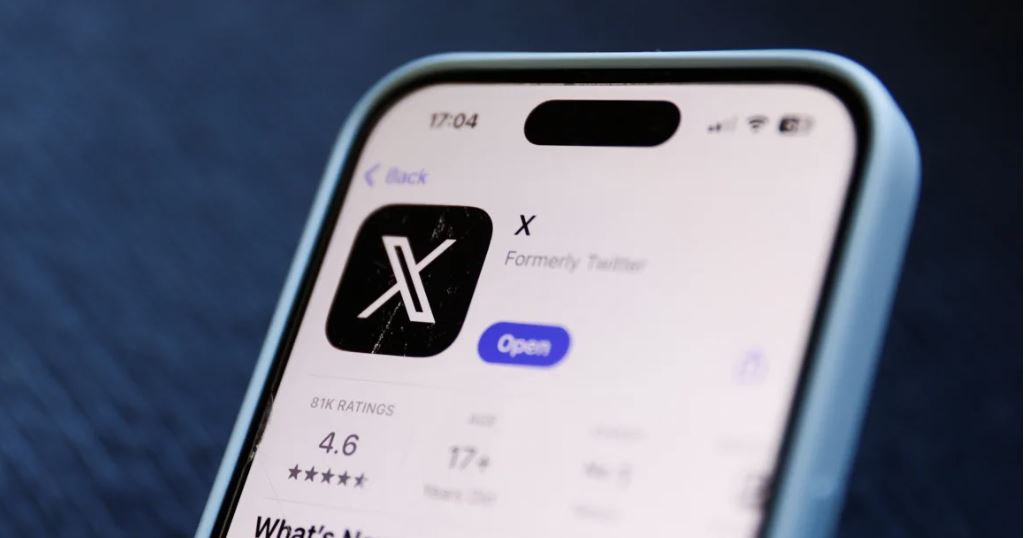
X (formerly Twitter) recently announced new terms of service set to take effect on November 15, which include a significant change: users’ content can now be used to train the platform’s AI models. This new policy has sparked backlash from users who worry that their posts, including personal data and creative works, could be exploited for machine learning purposes.
AI Training Using User Content
Under the updated terms, X users will automatically grant the platform a global, non-exclusive license to use their content for AI training, including generative AI. This has raised concerns, especially among artists and creatives, who fear that their work could be used to build AI tools that may replace human creators. Some users have already begun deleting personal photos and sensitive content from their feeds.
Dispute Resolution in Conservative Court
The new terms also specify that any legal disputes will be handled by the U.S. District Court for the Northern District of Texas or state courts in Tarrant County, Texas—both locations viewed as conservative legal venues. This could influence the outcome of potential lawsuits against X, especially given that the company is already involved in multiple legal cases.
Privacy Concerns and AI Controversies

X’s AI chatbot, Grok, has previously faced criticism for generating misinformation and violent, fake images. Although X users could once opt out of data sharing for AI training via privacy settings, it’s unclear if this option will remain available under the new terms. The updated language doesn’t differentiate between public and private accounts, meaning all content on the platform could now be used for machine learning.
Experts Warn of Unclear Boundaries
While broad licensing of user content is common in social media, X’s explicit and sweeping terms are unusual. Alex Fink, CEO of AI-based news platform Otherweb, noted that X’s new terms “remove any ambiguity” about how user data can be used. However, it remains to be seen whether users will still have the option to limit data sharing despite the legal changes.

