


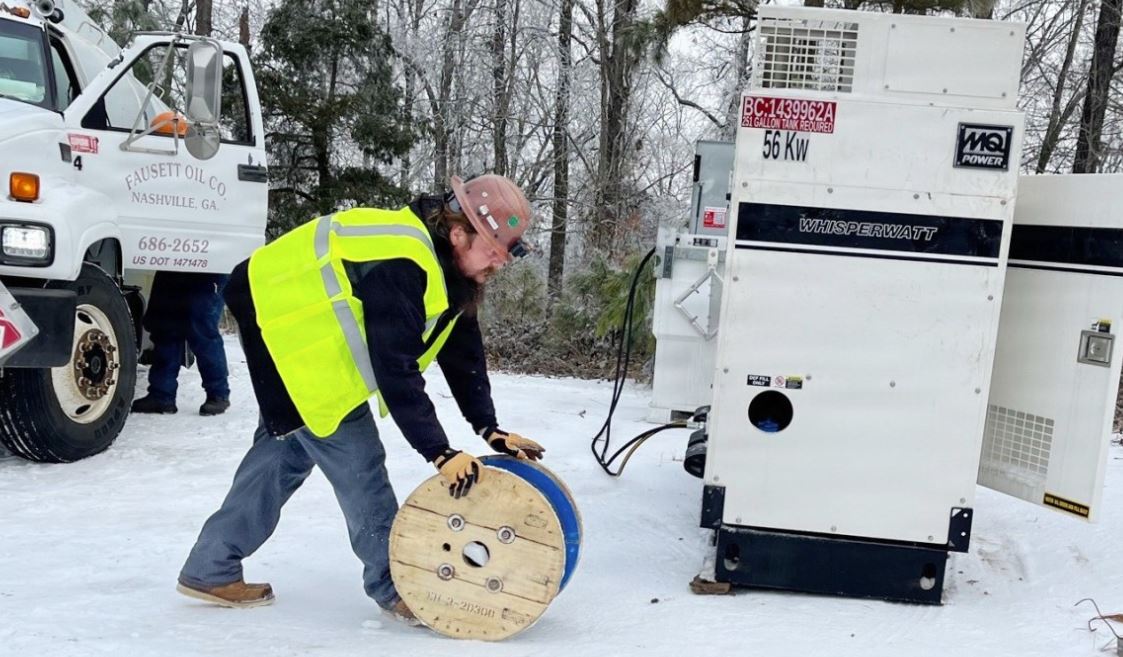
Severe power outages following Winter Storm Fern have disrupted emergency response operations across Tennessee, prompting the U.S. Army Corps of Engineers Nashville District to step in under a FEMA assignment. At the request of the state of Tennessee, emergency managers are delivering and installing generators to support critical infrastructure and restore essential services. As part of Task Force Temporary Emergency Power, USACE teams conducted site evaluations and coordinated with contractors to transport generators overnight from Fort Campbell, Kentucky, to communication towers in Savannah and Bethel Springs, Tennessee. These efforts aim to stabilize emergency communications impacted by the storm. In advance of the winter weather, USACE Headquarters positioned three Temporary Emergency Power Planning and Response Teams across the Southeast and East Coast.
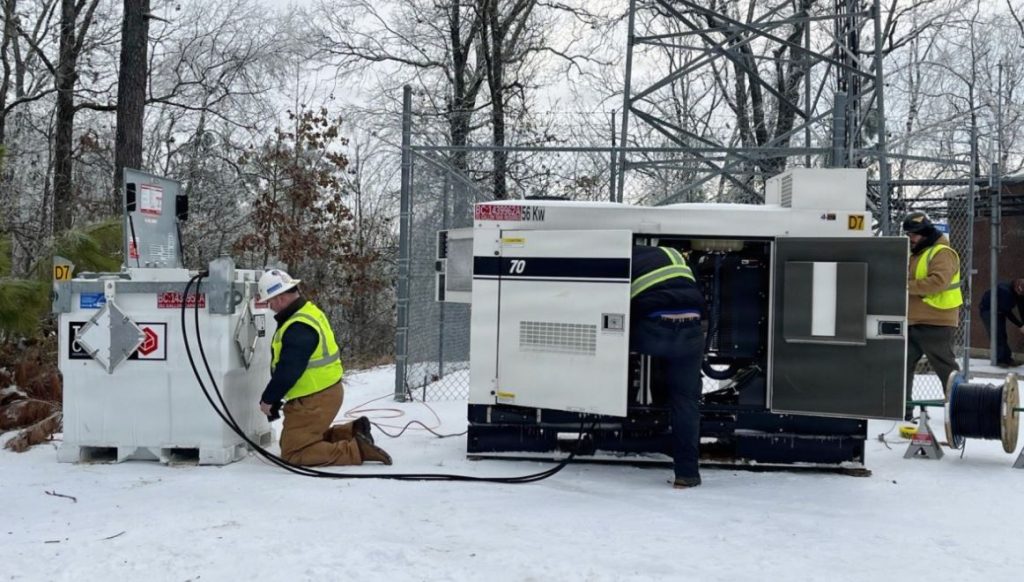
The deployment included soldiers from the 249th Prime Power Engineer Battalion along with civilian contractors to ensure rapid response capability. One of these teams, based out of the USACE Tulsa District, is currently operating in Tennessee, supplying temporary emergency power to key public facilities.
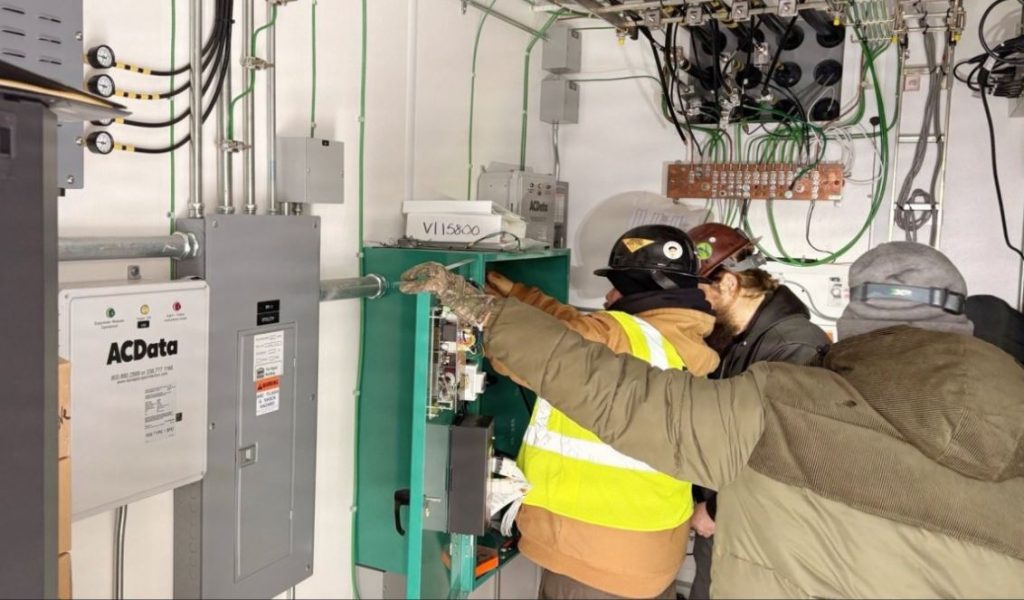
The team is installing two 56-kilowatt generators at communication tower sites to restore connectivity for first responders, allowing them to coordinate rescue and recovery operations effectively. Despite hazardous conditions, including icy roads and freezing temperatures, the team successfully completed the first generator installation in Bethel Springs. Work is now underway at the Savannah site. USACE officials emphasize that personnel safety and mission completion remain the top priorities under these challenging circumstances. Earlier today, the Nashville District commander met with representatives from the Tennessee Emergency Management Agency, Adam Gaskin—USACE Great Lakes and Ohio River Division’s ESF-3 Public Works and Engineering team leader—and TEMA Radio Communications Manager Jimmy Floyd to align ongoing emergency response efforts. Jimmy Floyd stated that the winter storm dealt a significant blow to the power grid, leaving nearly 300,000 residents without electricity at its peak. Although outage figures have fluctuated, the loss of power severely affected emergency communication networks, cellular service across state lines, and refueling operations for generators in remote locations. USACE officials noted that while the Corps provides specialized capabilities during disasters, it operates as part of a broader Army and Department of Defense response framework, working in close coordination with federal, state, and local partners to support affected communities.


