


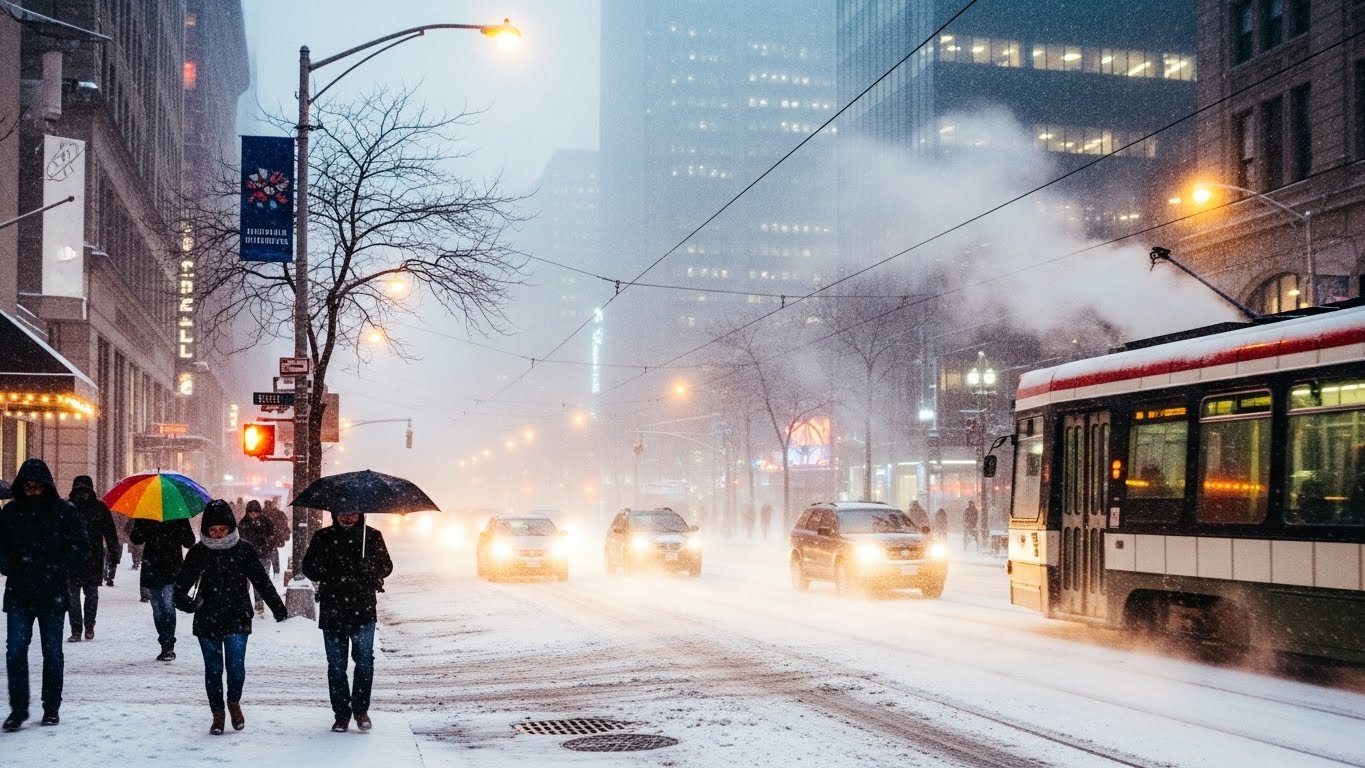
A new wave of severe winter weather is expected to sweep across the northern and midwestern regions of the United States, prompting the U.S. Department of Health and Human Services (HHS) to issue a strong advisory urging residents to prepare in advance. As temperatures continue to drop and snowfall intensifies, federal officials warn that the coming days could bring widespread disruption to daily life.
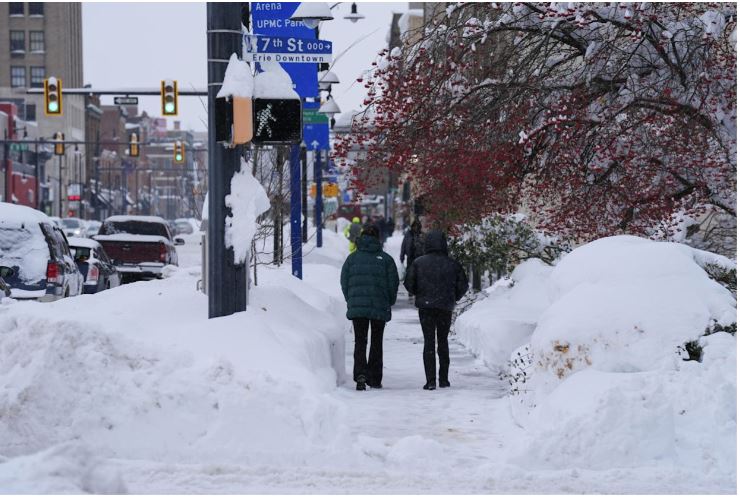
According to HHS, winter storms of this scale can trigger a chain reaction of hazards. Heavy snow accumulation may damage rooftops, frozen roads can lead to dangerous driving conditions, and strong winds combined with low temperatures increase the risk of hypothermia and frostbite. Power outages remain one of the biggest concerns, as ice and snow can easily damage overhead power lines, leaving households without electricity for hours or even days. The agency has also raised alarms about carbon monoxide poisoning, a recurring winter danger when generators or heating devices are used improperly indoors.
Meteorologists predict that several states—including Minnesota, Wisconsin, Michigan, Montana, and North Dakota—may experience the harshest impacts. Residents in these regions have already begun stocking up on essential supplies as forecasts indicate prolonged periods of snowfall, strong winds, and dangerously cold wind chills. Emergency services across the country are preparing for a spike in calls as conditions deteriorate.
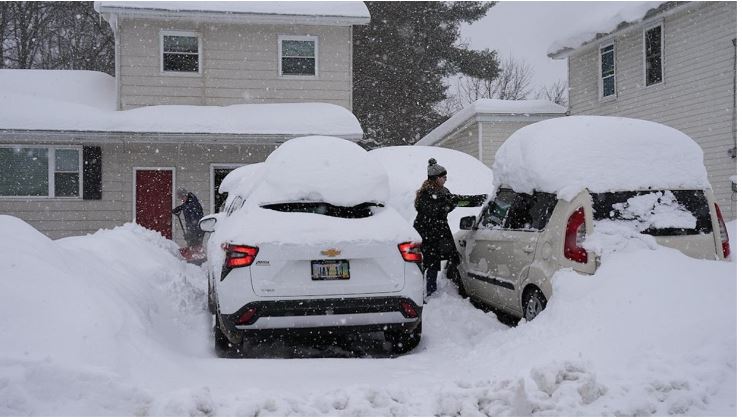
HHS emphasizes that preparation remains the most effective defense against winter storms. Officials recommend that families secure enough food, water, and warm clothing to last through potential disruptions, keep communication devices charged, and remain attentive to updates from local authorities. Cold weather, they warn, poses a particular threat to elderly individuals, young children, and people with chronic health conditions, making community awareness and support even more important during these periods.
As the nation braces for the approaching storms, federal and local agencies continue to coordinate response plans. The central message from officials remains clear: staying informed and prepared can significantly reduce the risks posed by winter weather and help communities remain safe throughout the season.


