


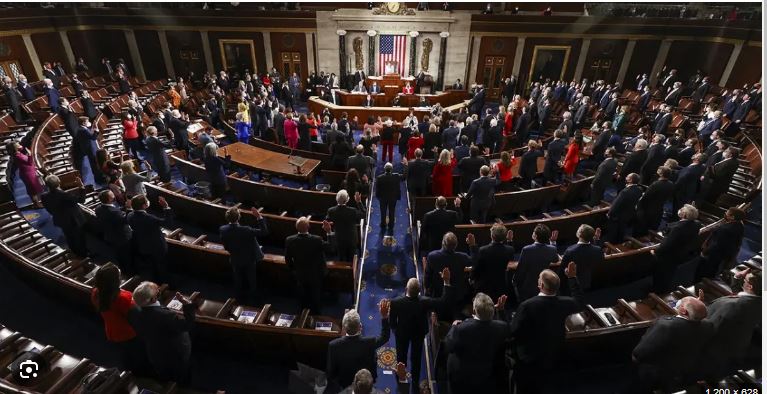
The U.S. House of Representatives has approved a bill prohibiting transgender women—individuals assigned male at birth who later transition—from participating in women’s sports. The legislation, proposed by the Republican Party, passed with 218 votes in favor.
Defining Gender Based on Birth Biology
The bill defines gender strictly by reproductive biology and genetics at birth. Under its provisions, individuals who transition from male to female are barred from competing in women’s sports at schools and universities, particularly those receiving federal funding.
Trump’s Influence on Transgender Policy
Former President Donald Trump and the Republican Party have consistently criticized policies supporting transgender youth, especially in sports. Trump made this issue a central theme during his campaign, vowing to “end the madness of transgender policies” if re-elected.
Bill Faces Challenges in Senate Approval
While two Democratic representatives joined Republicans in backing the legislation, it still needs approval in the Senate, where it faces significant obstacles. The Republicans require 60 votes to pass the bill, making bipartisan support essential but unlikely.
Potential Impact of the Bill
If enacted, the bill would prevent transgender athletes from competing on women’s teams in federally funded schools and universities. This would have far-reaching implications for transgender athletes and their participation in sports nationwide.
Diverse Reactions to the Legislation
Republican House Speaker Mike Johnson hailed the bill as a victory for women’s rights, claiming it addresses unfair competition in sports.

In contrast, Democrats and human rights advocates condemned the legislation. Critics argue that the bill marginalizes transgender youth and undermines their dignity and inclusion in society. Advocacy groups view it as part of a broader campaign against transgender individuals.
The proposed legislation has reignited debates on gender identity, fairness in sports, and inclusivity, underscoring the deeply polarized nature of the issue in the United States.

