


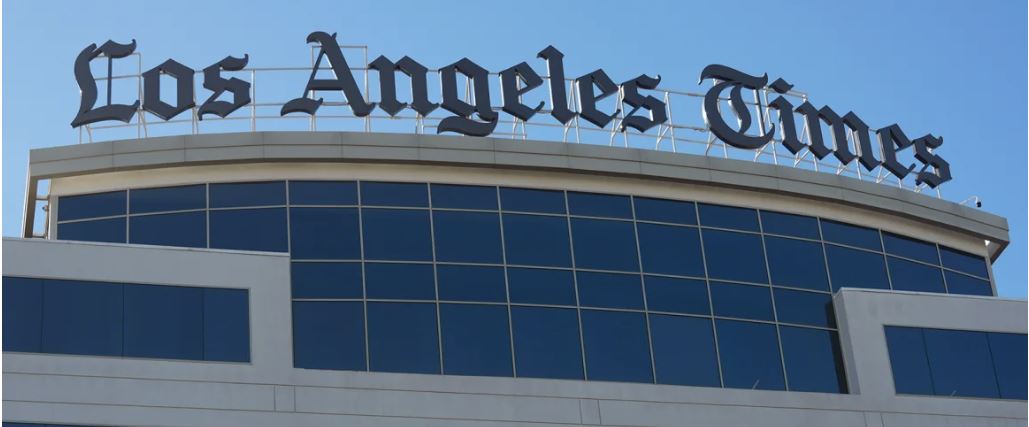
Two more members of the Los Angeles Times editorial board resigned Thursday following the newspaper owner’s decision to block an endorsement of Vice President Kamala Harris for president, a move that has sparked widespread dissent within the organization.
Pulitzer Prize-winning editorial writer Robert Greene confirmed to CNN his resignation over billionaire owner Patrick Soon-Shiong’s decision to veto the endorsement. Greene, who won the Pulitzer in 2021 for his editorials on criminal justice reform, expressed deep disappointment in his resignation letter, stating, “It hurt particularly because one of the candidates, Donald Trump, has shown hostility to principles central to journalism—respect for the truth and democracy.”
Board Members and Former Editor Protest Decision
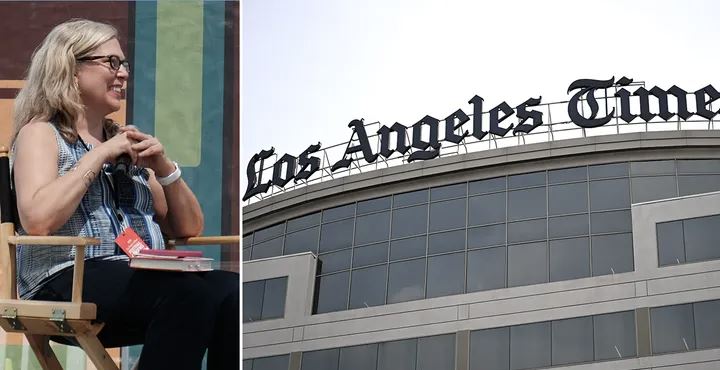
Karin Klein, another editorial board member, also resigned, describing the decision as “a wordless endorsement” against Harris that “implies unfairly that she has grievous faults equal to those of Trump.” Her resignation follows that of Mariel Garza, the editorial board leader, who had also opposed Soon-Shiong’s directive. Garza criticized the decision as damaging to the paper’s integrity and public trust, stating it made the Times appear “hypocritical, maybe even a bit sexist and racist.”
Soon-Shiong suggested offering an editorial comparing Harris and Trump’s policies rather than endorsing a candidate, arguing that an endorsement could add to national division. However, his decision has fueled backlash from Times readers, with many reportedly canceling subscriptions. In her resignation letter, Garza argued that failing to endorse Harris after years of criticizing Trump “undermines the integrity of the editorial board.”
Soon-Shiong’s Response and Staff Reactions
During an interview on Spectrum News 1 SoCal, Soon-Shiong explained his desire to maintain neutrality, adding, “I want us to air all voices on the opinion side.” Klein countered this, accusing Soon-Shiong of undermining the neutrality he claims to uphold.
The Los Angeles Times union expressed concerns over Soon-Shiong’s decision, noting the frustration among loyal readers who feel “angry, upset, or confused” by the paper’s stance, and promised to seek further clarification. The paper has not issued a public explanation for its decision, breaking from a tradition of presidential endorsements dating back to its support of Barack Obama in 2008.

Political Reactions and Broader Implications
Soon-Shiong’s decision quickly drew political reaction, with the Trump campaign calling it a “humiliating blow” for Harris. The Los Angeles Times remains California’s most widely circulated newspaper, and its move to refrain from endorsing a candidate in a tightly contested race has raised concerns of self-censorship amid rising political tensions.

