


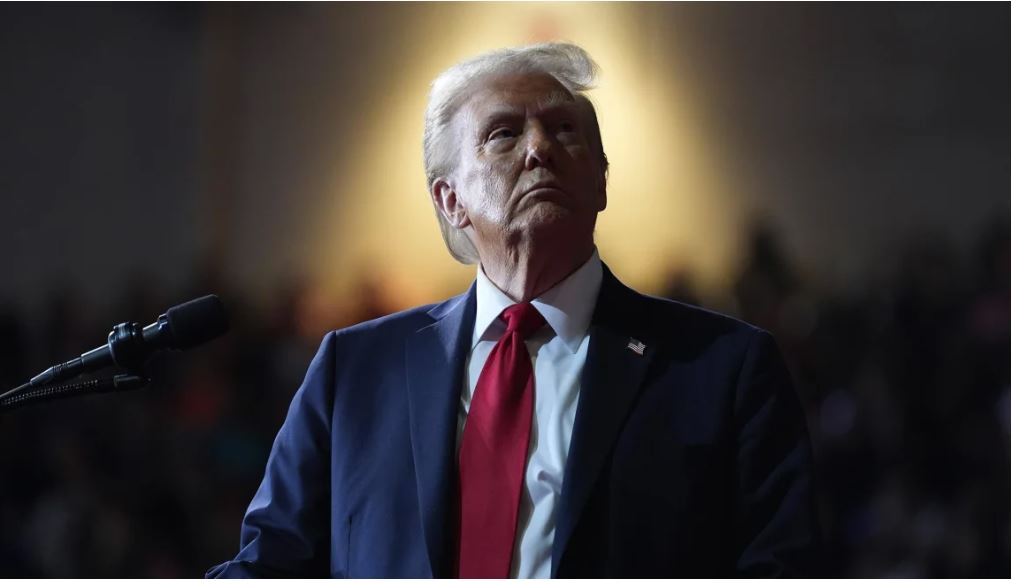
President Donald Trump has signed an executive order introducing more stringent voter registration requirements nationwide. Under the new directive, newly naturalized citizens must submit additional proof of U.S. citizenship and disclose the type of visa they initially used to enter the country before they can register to vote.
Major Change to Mail-In Ballot Policy
The order also tightens mail-in voting regulations, stipulating that only ballots received by Election Day will be counted. This marks a departure from previous policies, which permitted ballots postmarked by Election Day to be counted if they arrived within a designated timeframe.
State Compliance and Federal Oversight
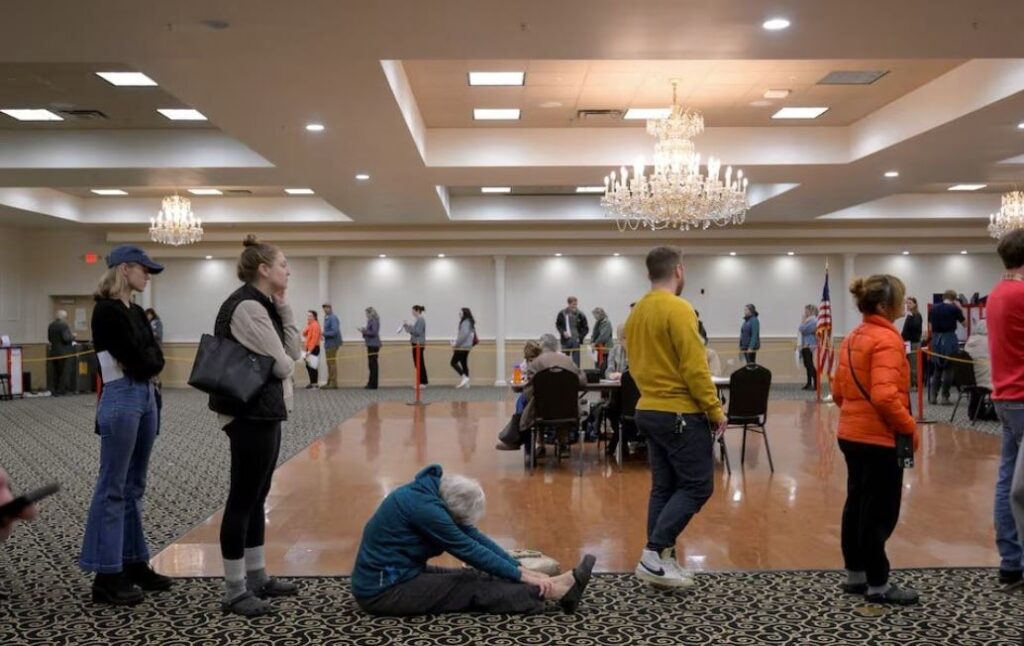
In a controversial move, the executive order mandates that states must submit copies of their voter rolls to a federal agency, raising concerns about potential federal overreach and state autonomy. States that refuse to comply may lose federal funding, a provision likely to spark legal challenges.
Criticism and Legal Challenges Expected
The directive has faced immediate backlash from civil rights groups and Democratic lawmakers, who argue that these changes could suppress voter turnout, particularly among minority and immigrant communities. Additionally, legal experts point out that election laws have traditionally been under state jurisdiction, setting the stage for potential court battles.
Political Implications Ahead of 2026 Elections
With the 2026 midterm elections approaching, many view this order as a politically charged decision that could reshape the electoral landscape. As debates over voter access and election security intensify, the future of these new regulations remains uncertain amid anticipated legal and political challenges.


