



In a bid to support working mothers and combat Japan’s declining birthrate, the Tokyo Metropolitan Government is set to implement a four-day workweek for its employees starting April. The initiative will allow government workers to enjoy three days off each week, marking a significant step towards creating more flexible work environments.
Flexibility for Parents of Young Children
Alongside the four-day workweek, Tokyo has introduced another policy aimed at parents with young children. Those with kids in grades one to three of elementary school will have the option to leave work early in exchange for a slight salary reduction.
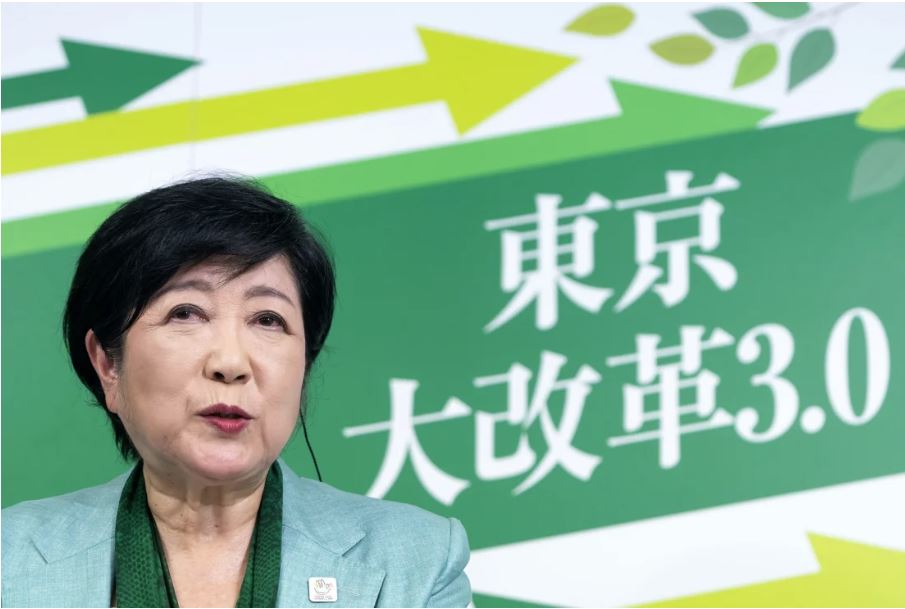
“We will ensure no one has to abandon their career due to life events such as childbirth or childcare,” Tokyo Governor Yuriko Koike announced during a policy speech. She emphasized the importance of protecting livelihoods and boosting the economy during these challenging times for the nation.
Japan’s fertility rate hit a record low in 2023, with only 727,277 births and an average of 1.2 children per woman, far below the 2.1 needed for a stable population. This decline continues despite government efforts to encourage marriage and family-building among young people.
To address the crisis, the Japanese government has introduced several policies, including promoting paternity leave and improving workplace conditions. Local governments are also implementing measures like Tokyo’s new initiatives to create a better work-life balance for families.

Root Causes: Work Culture and Rising Living Costs
Sociologists point to Japan’s demanding work culture and high cost of living as key factors behind the nation’s low birthrate. Long working hours, a hallmark of corporate Japan, have led to health issues and even “karoshi,” or death by overwork. Women often face the dilemma of choosing between career and family, with Japan’s rigid overtime culture making parenthood particularly challenging.
According to the World Bank, Japan’s gender gap in labor force participation remains wide, with 55% of women and 72% of men in the workforce, a disparity greater than in other high-income countries.
Global Trends in Work-Life Balance
The concept of a four-day workweek has gained traction in the West, where some companies have found that compressed hours improve employee well-being and productivity. However, in Japan, where time at work is often equated with loyalty, such ideas remain unconventional.
Family-Friendly Policies in Asia
Tokyo’s move is part of a broader trend in Asia. Earlier this year, Singapore introduced guidelines requiring businesses to consider employee requests for flexible work arrangements, such as shorter workweeks or alternative hours. These policies aim to improve work-life balance across the region.
By implementing these measures, Tokyo is setting an example for addressing demographic and labor challenges while promoting family-friendly reforms.

