


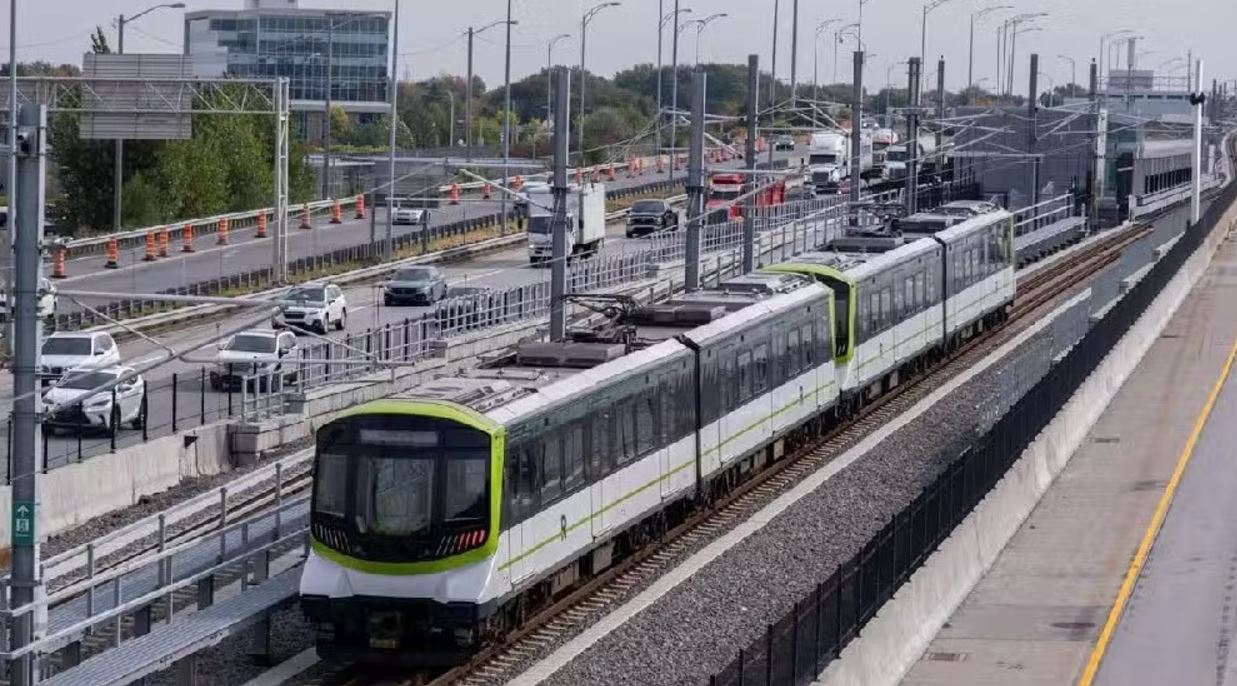
Saudi Arabia is set to inaugurate the first phase of the Riyadh Metro project on November 27, marking a major achievement in the Kingdom’s Vision 2030 plan to transform Riyadh into a global center for commerce and innovation.
$22.5 Billion Mega Project Overcomes Delays
Approved in 2012 with an investment of $22.5 billion (SR84.4 billion), the metro project has faced multiple delays due to logistical challenges and the COVID-19 pandemic. Despite these setbacks, its launch represents a pivotal step toward modernizing the city’s infrastructure.
Three Metro Lines to Begin Operations
The initial phase includes the commencement of services on three out of the six planned metro lines. The remaining three lines are slated to become operational by mid-December. Once complete, the metro will span 176 kilometers, making it the world’s longest driverless metro system.
Easing Traffic and Reducing Car Dependency
The first phase will connect critical routes such as Al Orouba to Batha, King Khalid International Airport Road, and the intersection of Abdulrahman Bin Auf Street with Sheikh Hassan Bin Hussein Street. These routes will provide thousands of daily commuters with improved access to transportation, easing traffic congestion and reducing Riyadh’s reliance on cars.
Supporting Urban Development and Sustainability
The Riyadh Metro project is a cornerstone of Saudi Arabia’s urban development strategy, addressing the city’s growing population and increasing demand for efficient transportation. Beyond convenience, the metro aims to contribute to economic and environmental sustainability by reducing air pollution, enhancing quality of life, and supporting Riyadh’s transformation into a smart, modern metropolis.
Job Creation and Long-Term Impact
The metro is expected to generate thousands of jobs during both its construction and operational phases. Once fully operational, it will significantly improve public transportation, reduce environmental impact, and play a vital role in shaping Riyadh’s future as a global urban hub.


