


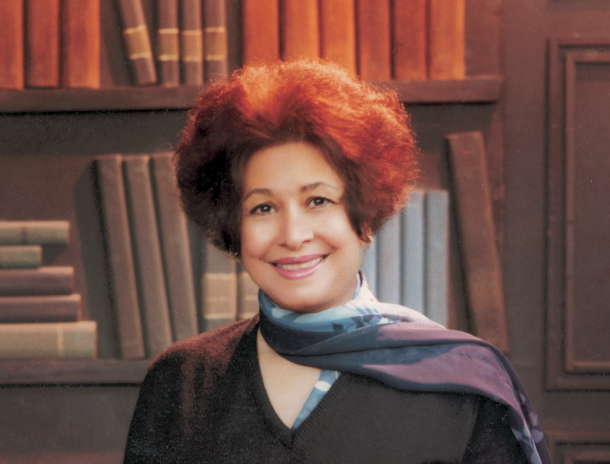
Bapsi Sidhwa, a celebrated novelist and literary icon, passed away on Wednesday in Houston, Texas, at the age of 86. Known for her profound storytelling, Sidhwa’s contributions to global literature and her cultural legacy have left an indelible mark on readers worldwide. Her passing is a monumental loss for Pakistan, India, and the global Zoroastrian community.
A Legacy of Literary Brilliance
Sidhwa’s novels earned her international recognition, particularly her collaborations with Indo-Canadian filmmaker Deepa Mehta. Her 1991 novel Ice Candy Man inspired the critically acclaimed film Earth (1998), while Water: A Novel (2006) served as the basis for Mehta’s Oscar-nominated film Water (2005). Through her evocative writing, Sidhwa masterfully interwove history, culture, and personal experiences, solidifying her place among the most celebrated authors of her time.
Documenting a Life of Resilience and Creativity
In October 2022, the Citizens Archive of Pakistan released a documentary titled Bapsi: Silences of My Life, chronicling her journey as a writer. The film highlighted how her traumatic experiences during the partition of India deeply shaped her literary perspective.
Born in Karachi to Zoroastrian (Parsi) parents and raised in Lahore, Sidhwa overcame polio at the age of two, a challenge that profoundly influenced her outlook and resilience. Her experiences during the horrors of partition, including a haunting encounter with a corpse, later inspired pivotal themes in her groundbreaking novel Cracking India.
Pioneering Novelist and Cultural Historian
After graduating from Kinnaird College, Lahore, in 1957, Sidhwa began her writing career after marriage and returning to Pakistan. Her novels, including The Crow Eaters (1978), The Bride (1982), An American Brat (1993), and City of Sin and Splendour: Writings on Lahore (2006), vividly captured South Asia’s cultural and historical landscapes. Her literary achievements earned her Pakistan’s highest artistic honor, the Sitara-i-Imtiaz (1991), and the Mondello Prize for Foreign Authors (2007).

Sidhwa was also inducted into the Zoroastrian Hall of Fame, further cementing her legacy as a global ambassador for her community.

Honoring a Trailblazer
To celebrate her pioneering contributions, the Bapsi Sidhwa Literary Prize was established by the Zoroastrian Association of Houston and FEZANA Information Research Education System. Sidhwa’s generous spirit extended beyond her writing; she supported aspiring artists and writers. A former neighbor in Lahore recalled how she offered her garage as a painting studio, enabling a budding artist’s career in the 1970s.
A Lasting Legacy
Bapsi Sidhwa’s passing leaves a void in the literary and intellectual spheres. Her work, celebrated for its depth, empathy, and cultural richness, continues to inspire generations. She is survived by her three children—Mohur, Koko, and Parizad—and her timeless literary works.
Prayers for her soul will be held at the Bhandara Agiary in Houston, named after her mother, Tehmina Bhandara. Sidhwa’s literary brilliance and kind-heartedness will forever be remembered.

