


The Pakistan Institute of Legislative Development and Transparency (PILDAT) has released its report, “Quality of Democracy in Pakistan 2024,” outlining critical challenges facing the country’s democratic health. The report paints a bleak picture of systemic issues undermining democracy, exacerbated by global trends and domestic crises.
Democracy Under Strain
PILDAT observed that democracy in Pakistan has rarely enjoyed stability over the past decade, with 2024 proving no exception. The report noted that democracy has faced further erosion due to alliances between politicians and the establishment, driven by either economic crises or political opportunism.
Managed Elections and Flawed Mandates
The 12th general election, held in February 2024, was deemed a flawed exercise that fractured the popular mandate and offered limited political and electoral choices to citizens. To maintain its thin majority, the federal government initiated structural changes, including controversial amendments to the judiciary.
Judiciary Restructured Through 26th Amendment
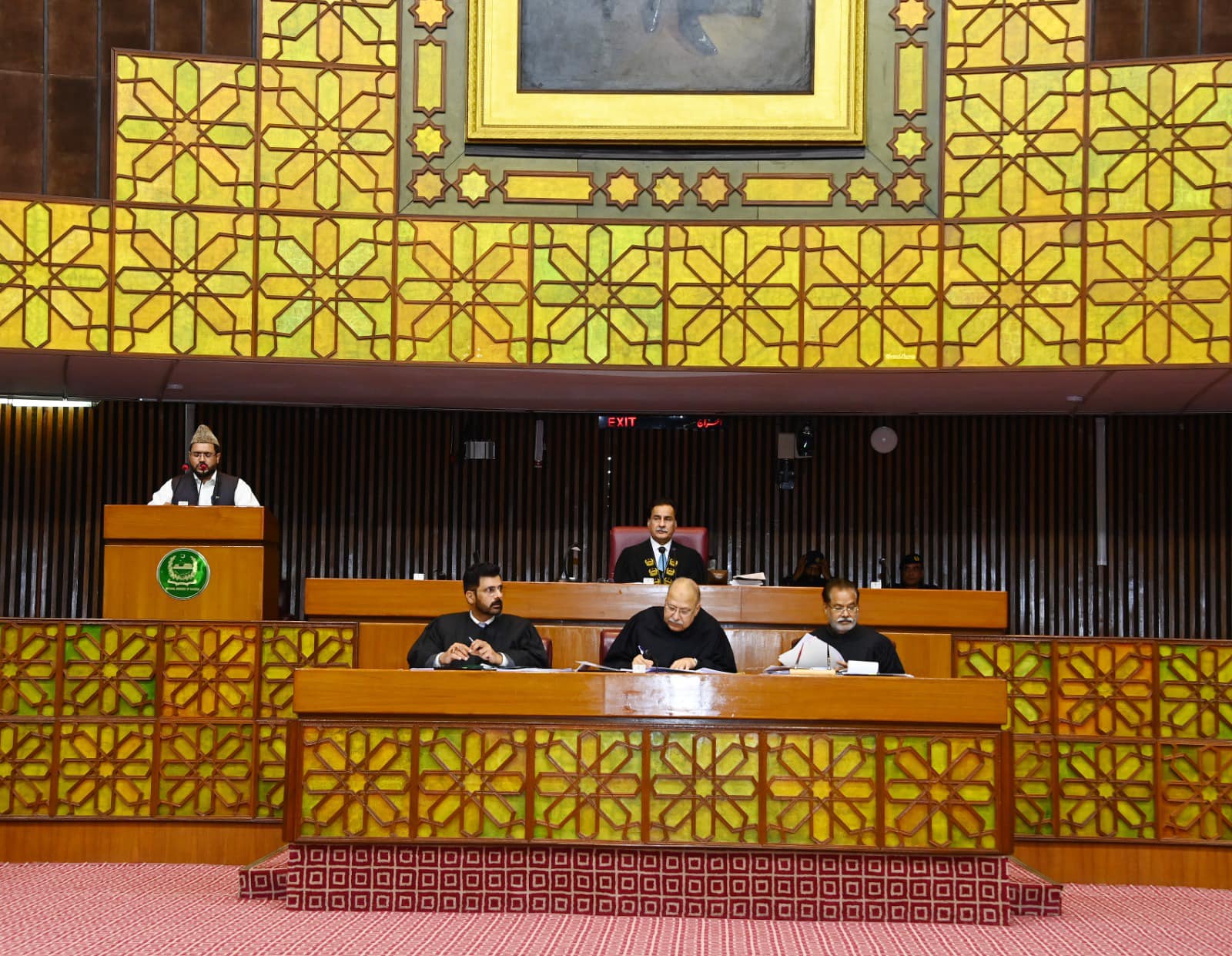
The 26th Constitutional Amendment altered the appointment process for higher judiciary leadership, creating separate branches for constitutional and other matters. While resistance from JUI-P moderated some proposed changes, the amendment marked a significant shift in judicial governance.
Extended Military Tenures Without Precedent
Parliament passed amendments extending the service tenures of the heads of the three defense services from three to five years. This marked the first time such a measure was introduced legally in peacetime without Martial Law, raising concerns over civilian oversight.
Erosion of Political Norms
The report criticized leading political parties for collaborating with the establishment to undermine opponents, prioritizing short-term gains over democratic principles. The current government, formed after the 12th general election, exemplified this trend by intensifying internet restrictions and curbing media freedom.

Censorship and Media Crackdown
Freedom of the press has deteriorated further in 2024. Leading journalists have faced arrests and abductions, and an unofficial ban has been imposed on coverage of sensitive topics, including content related to the incarcerated former Prime Minister.
Additionally, internet platforms have faced increasing restrictions. On February 17, the social media platform X (formerly Twitter) was blocked, with the government later attributing the move to national security concerns.
Centralization of Decision-Making
The report highlighted growing centralization of decision-making, heavily influenced by the establishment. Citizens face the dilemma of expressing concerns about military involvement in governance without crossing societal red lines regarding the military’s sanctity.
Economic Stability and Political Dialogue: A Silver Lining
Despite the grim outlook, the report pointed to some positive developments, including efforts to stabilize the economy and a willingness to engage in political dialogue between PTI and the government. Sustaining this dialogue is crucial for addressing Pakistan’s political and economic instability, the report emphasized.
Call for Renewed Commitment to Democracy
The report concluded by urging all stakeholders to recommit to democratic principles and address systemic issues that continue to weaken governance. A focus on freedom of expression, institutional accountability, and sustained dialogue is essential to overcoming Pakistan’s democratic challenges.

