


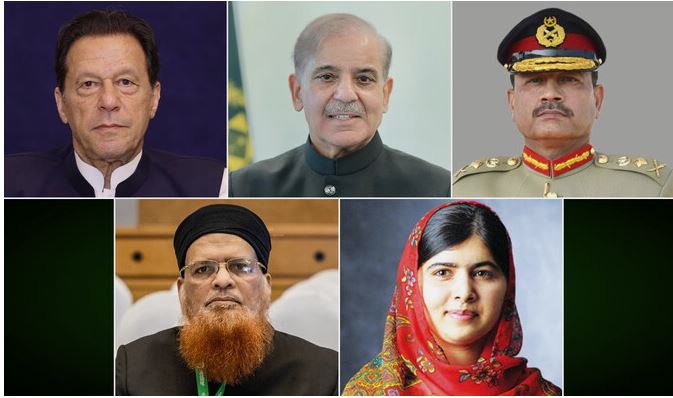
Several prominent Pakistanis, including political leaders, military officials, scholars, and artists, have been featured in the prestigious annual publication The Muslim 500: The World’s 500 Most Influential Muslims, compiled by the Royal Islamic Strategic Studies Center in Amman, Jordan.
Recognizing Influence Across Diverse Fields
Published annually since 2009, The Muslim 500 ranks individuals based on their cultural, ideological, financial, political, or social influence on the global Muslim community. This year’s list includes Pakistanis from various spheres of life, highlighting their significant contributions to the Muslim Ummah.
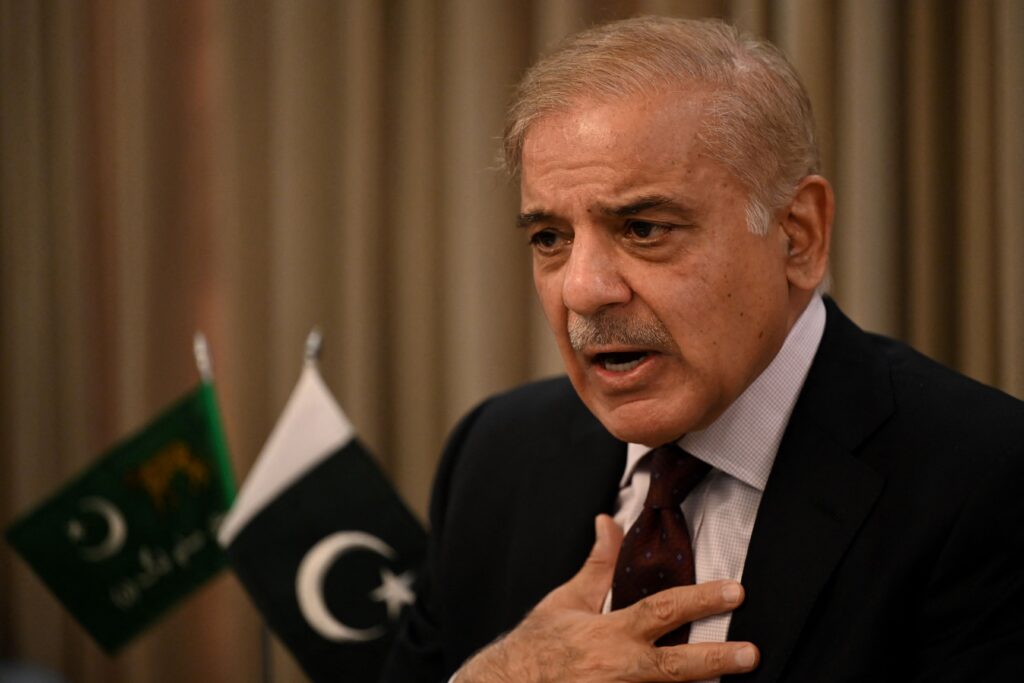
Shehbaz Sharif: A Political Legacy
Prime Minister Shehbaz Sharif earned a spot for his political contributions and leadership.
“Shehbaz Sharif became the 24th Prime Minister of Pakistan in March 2024, having previously served as the 23rd Prime Minister (2022–23) after a no-confidence motion against Imran Khan,” the publication noted. It also highlighted his tenure as Chief Minister of Punjab and his role as the President of the Pakistan Muslim League-Nawaz.
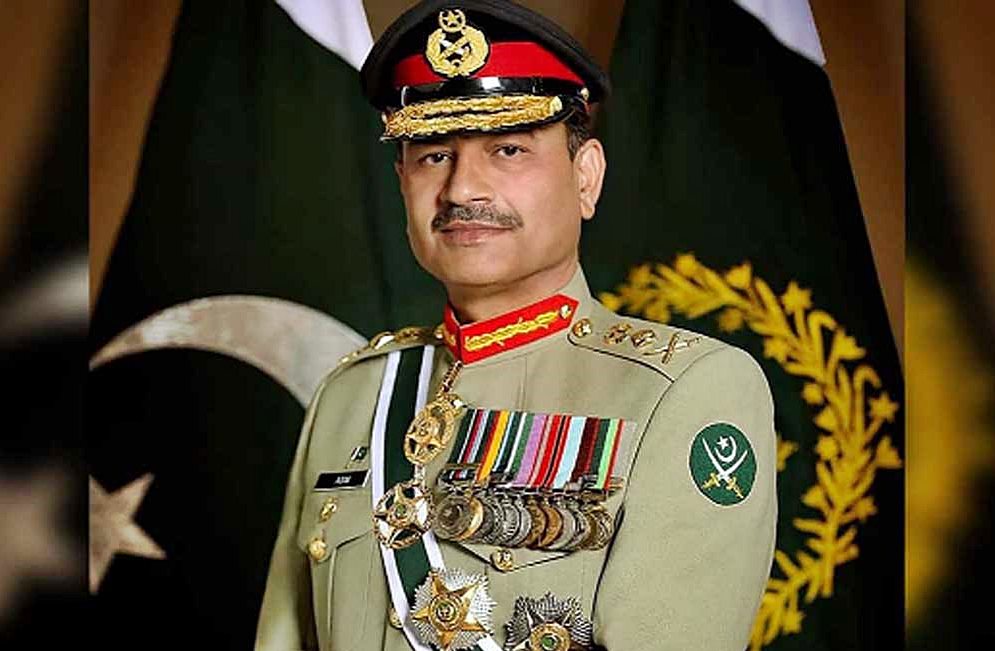
General Asim Munir: A Hafiz Qur’an in Military Leadership
The list featured Pakistan’s Army Chief, General Asim Munir, who stands out as the first army chief in Pakistan’s history to be a Hafiz Qur’an (one who has memorized the entire Qur’an).
“Descended from a religious and scholarly family, Asim Munir has served as the chief of both premier military intelligence agencies in Pakistan,” the publication stated.
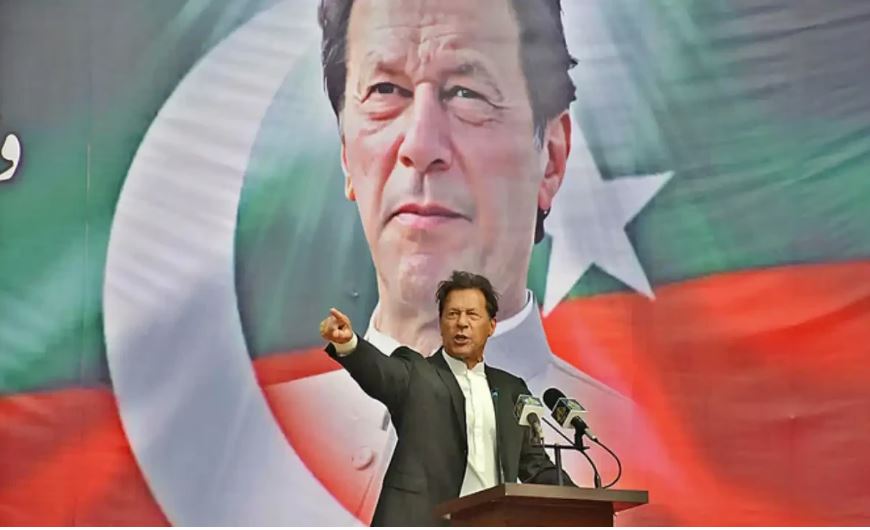
Imran Khan: A Leader with Enduring Popularity
Former Prime Minister Imran Khan, despite his legal troubles and imprisonment since August 2023, received an honorary mention.
“Khan became Prime Minister in 2018, with high expectations for governance, accountability, and anti-corruption reforms. Though ousted in April 2022 through a no-confidence motion, he continues to maintain massive popular support domestically and among the Pakistani diaspora,” the publication wrote.
Religious Scholars and Cultural Icons
Prominent Pakistani religious scholars, including Mufti Muhammad Taqi Usmani, Maulana Tariq Jameel, Maulana Nazur ur-Rahman, and Muhammad Ilyas Attar Qadri, were also recognized for their spiritual influence.

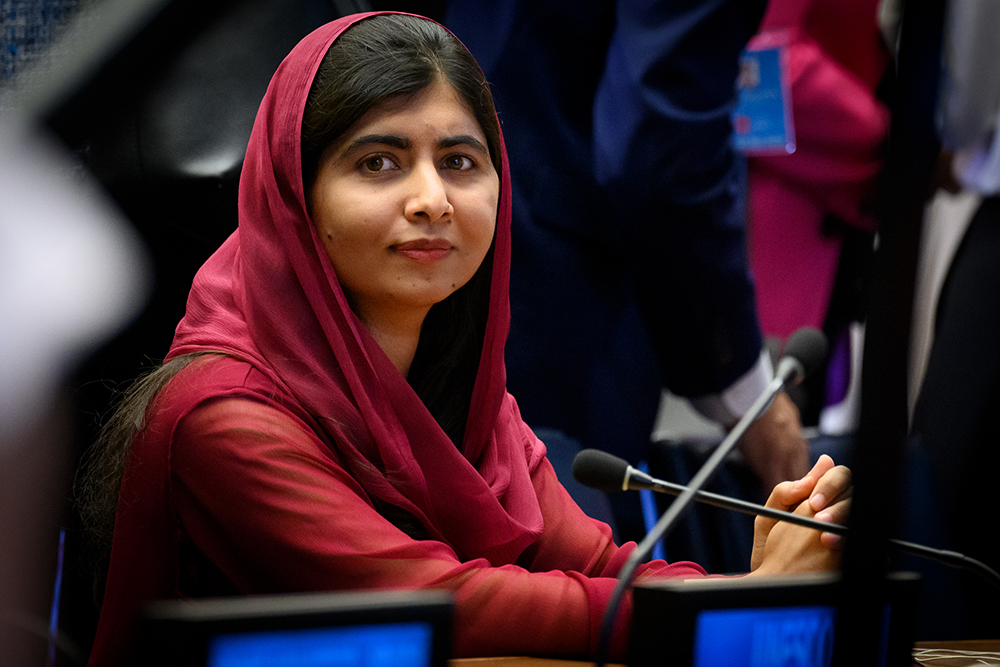
The publication highlighted cultural figures such as Nobel laureate Malala Yousafzai, filmmaker and activist Sharmeen Obaid-Chinoy, and legendary Sufi singer Abida Parveen. Na’atkhuwan Owais Raza Qadri, known for his devotional poetry, also featured on the list.
Humanitarian Efforts: Dr. Adibul Hasan Rizvi
Dr. Adibul Hasan Rizvi, founder of the Sindh Institute of Urology and Transplantation (SIUT), was celebrated for his groundbreaking work in free healthcare services.
“Dr. Rizvi established SIUT in 1971 as an eight-bed unit. Today, it stands as Pakistan’s largest free health organization, providing comprehensive services in urology, nephrology, transplantation, and liver-related diseases,” the publication remarked.
Celebrating Pakistan’s Impact on the Global Muslim Community
The inclusion of these influential Pakistanis underscores the country’s significant contributions across diverse fields, from politics and military to religion, arts, and humanitarian work. Their influence resonates far beyond borders, enriching the global Muslim community.

