


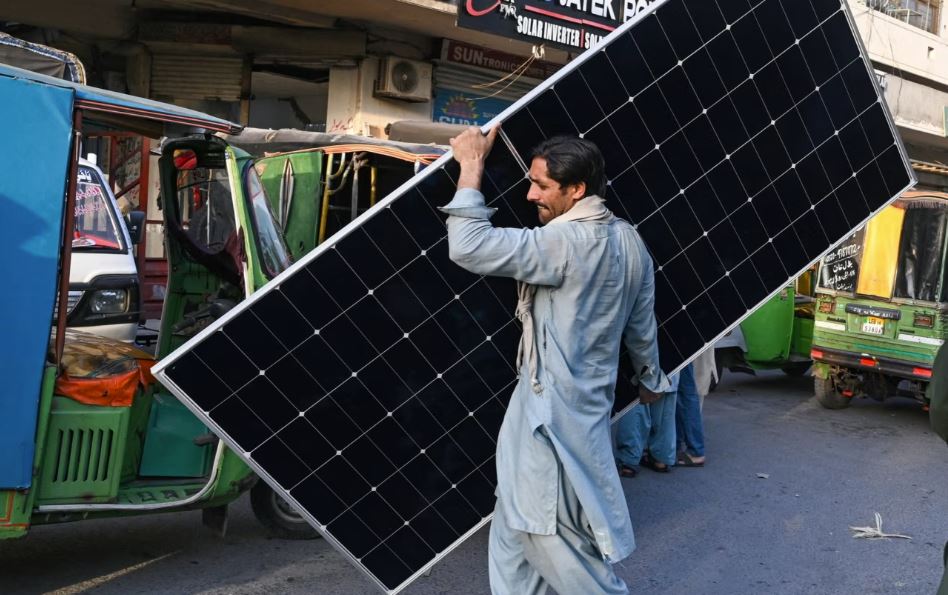
Pakistan has quickly become one of the largest markets for solar energy, ranking among the top solar consumers worldwide in just two to three years.
Surge in Solar Panel Imports
According to the World Economic Forum, Pakistan imported 13 gigawatts of solar panels during the first half of the current fiscal year, making it the third-largest importer of Chinese solar panels globally. This rise in imports has significantly boosted Pakistan’s renewable energy sector.
Growth of Solar Power in Pakistan
Imported solar panels now account for over 30% of Pakistan’s total energy production, which reached 46 gigawatts in 2023. This increase is driven by both domestic consumers and businesses looking to reduce high electricity bills.
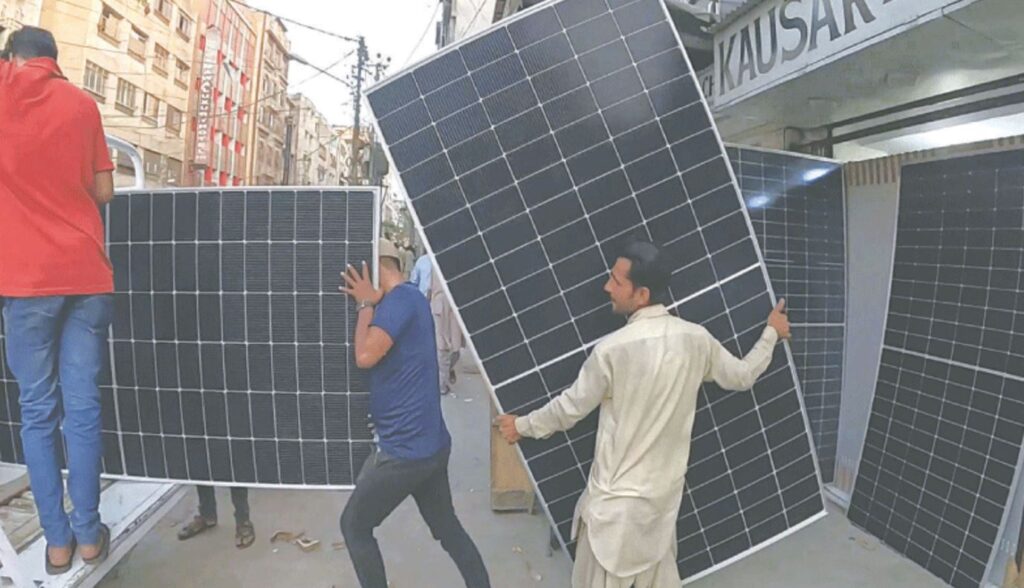
A key factor behind this rapid transition is the 90% reduction in solar panel prices over the past decade, which has made solar energy more accessible. Additionally, the government has supported this shift by removing a 17% sales tax and introducing net metering policies to encourage solar adoption.

Energy Crisis and the Push for Solar Energy
The escalating costs of electricity, exacerbated by unfavorable agreements with Independent Power Producers (IPPs), have further increased the demand for alternative energy sources. Between 2019 and 2023, Pakistan made capacity payments amounting to 6 trillion rupees ($21.5 billion), highlighting the economic strain caused by conventional energy sources.
Environmental and Economic Benefits of Solar Energy
The transition to solar energy has not only helped reduce reliance on imported coal plants but has also brought environmental benefits. It has strengthened Pakistan’s energy security, created job opportunities, attracted foreign investment, and contributed to sustainability goals.

