


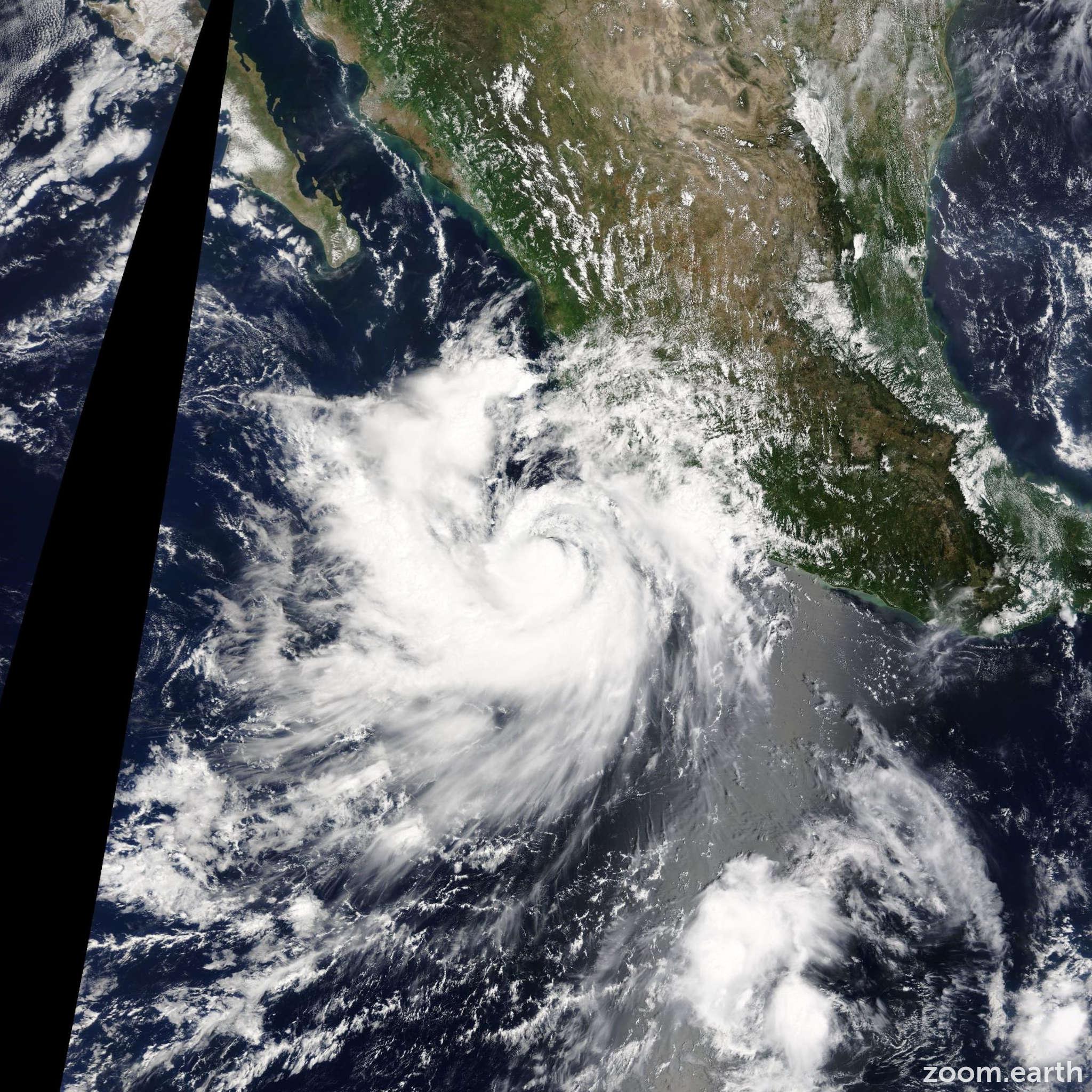
Large thunderstorms are moving into North Texas, bringing the risk of heavy rain, strong winds, hail and possible flash flooding, according to CBS News Texas First Alert meteorologists.
The developing weather system is affecting a wide area of Texas, with thunderstorms capable of producing intense rainfall in a short period. Parts of North and Central Texas are already dealing with wet conditions, while additional storms are expected to move through the region.
The biggest concern is not just the thunderstorms themselves, but the amount of rain they can produce.
Flooding can develop quickly
Heavy downpours can overwhelm drainage systems, especially in low-lying areas, underpasses and roads that are already saturated.
Drivers should be particularly careful during periods of intense rain. Water covering a roadway can be deeper and faster-moving than it appears, and even a familiar route can become dangerous within minutes.
Never drive through a flooded road if you cannot determine how deep the water is. If barricades are in place, do not move them or drive around them.

Strong storms can also bring hail and damaging winds
Some of the stronger thunderstorms may produce large hail, powerful wind gusts and frequent lightning.
Residents should bring outdoor furniture, decorations and other loose objects inside where possible. During the strongest storms, stay indoors and away from windows.
If severe weather warnings are issued for your area, follow instructions from local emergency officials and the National Weather Service.
Travel could become difficult
Heavy rain can reduce visibility and make highways dangerous. Water can also accumulate quickly on major roads and at intersections.
People traveling around Dallas-Fort Worth and other affected parts of North Texas should check weather and traffic conditions before leaving home and allow extra time for travel.
Air travelers should also check directly with their airline for possible delays before heading to the airport.
What Pakistani families in Texas should keep in mind
For Pakistani-American families, especially those living in North Texas or traveling between Dallas-Fort Worth, Houston, Austin and other communities, a few simple precautions can reduce problems during severe weather.
Keep phones charged: Severe storms can cause power interruptions. Keep your phone, power bank and important devices charged.
Check on elderly relatives: Older family members or relatives who live alone may need help receiving weather alerts, arranging transportation or moving to a safer location.
Don’t underestimate flooded streets: Families who are new to Texas weather may not be familiar with how quickly flash flooding can develop. Teach children and relatives the basic rule: Turn Around, Don’t Drown.
Protect vehicles: If hail is forecast, park vehicles in a garage or under suitable cover if available. Avoid parking near large trees or structures that could be damaged by strong winds.
Keep emergency information available: Make sure family members know how to call 911 and have the addresses of relatives, workplaces, schools and other frequently visited locations.
Check on family before traveling: Pakistani families often travel considerable distances for weddings, religious gatherings, community events and family visits. If severe weather is developing, check conditions along the entire route rather than only at your destination.
Use official alerts: Keep local emergency notifications enabled and follow updates from the National Weather Service and local authorities rather than relying only on social media posts or WhatsApp messages.
A reminder for the community
Severe weather can change quickly in Texas. A road that is clear when you leave home can become flooded or dangerous a short time later.
For Pakistani families across Texas, the safest approach is simple: stay informed, avoid unnecessary travel during the strongest storms, never drive through floodwater, and check on family members who may need extra help.
The storm threat will continue to evolve as the weather system moves across Texas, so residents should continue monitoring local forecasts and official emergency alerts.

