


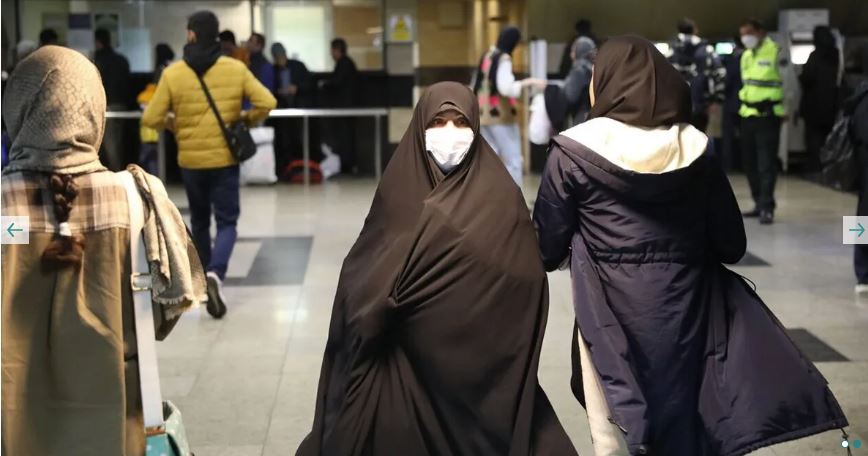
Iran has passed a new law requiring women to wear a headscarf in public, with harsh penalties for violations. The law stipulates that women must fully cover their hair, and sleeves must remain below the wrists. Failure to comply could result in fines equivalent to 20 months’ salary. If fines are not paid within 10 days, offenders may face restrictions such as a ban on renewing passports or obtaining driving licenses.
Viral Protest at Iranian University
Last month, a video of a protest against the dress code went viral, showing a university student removing her clothing and sitting semi-naked on campus stairs. The incident, recorded at a branch of the Islamic Azad University, led to her arrest by campus security. The act was seen as a defiant stance against Iran’s strict hijab laws.
Turkish Airlines Office Sealed
In July, Iranian authorities sealed the Turkish Airlines office in Tehran after female staff members reportedly refused to comply with the mandatory hijab law. According to Iran’s Tasnim news agency, police had warned the staff, but the office closure followed their resistance.
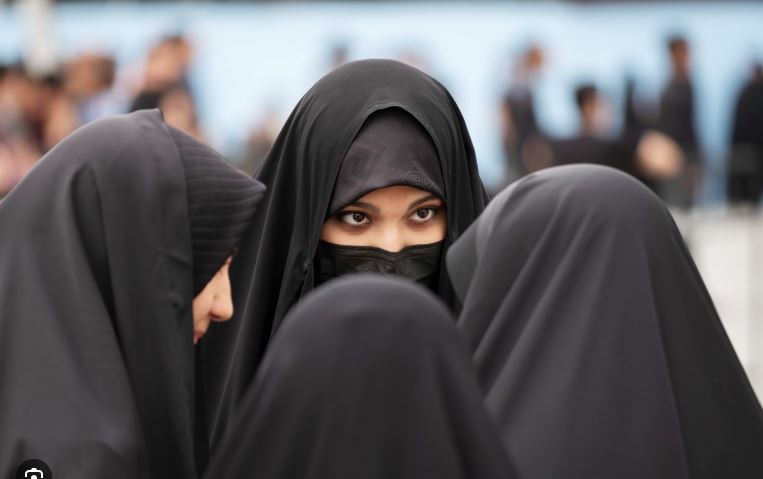
Tensions surrounding Iran’s hijab laws have persisted since the death of 22-year-old Mahsa Amini in September 2022. Amini died in custody after being arrested for not wearing a hijab properly, triggering widespread protests across the country. While the demonstrations eventually subsided, some women have continued to appear in public without headscarves in defiance of the law.
Crackdown on Businesses
Iranian authorities have shut down hundreds of businesses, including shops, restaurants, and offices, for female employees’ non-compliance with hijab regulations. The hijab has been compulsory in Iran since the 1979 revolution, and violations can lead to fines or imprisonment.
Growing Backlash
The strict enforcement of dress codes reflects ongoing struggles within Iranian society over personal freedoms and state-imposed religious mandates. The new law and its severe penalties are likely to intensify domestic and international criticism of the country’s approach to women’s rights.


