


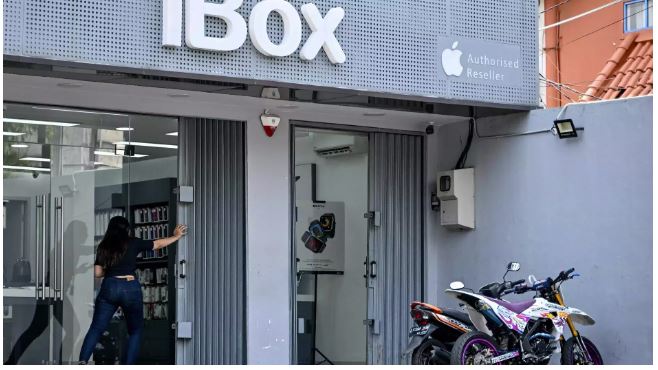
Indonesia, Southeast Asia’s largest economy with a young and tech-savvy population, still lacks an official Apple store. As a result, residents must buy Apple products through resellers.
iPhone 16 Restricted Due to Local Production Rules
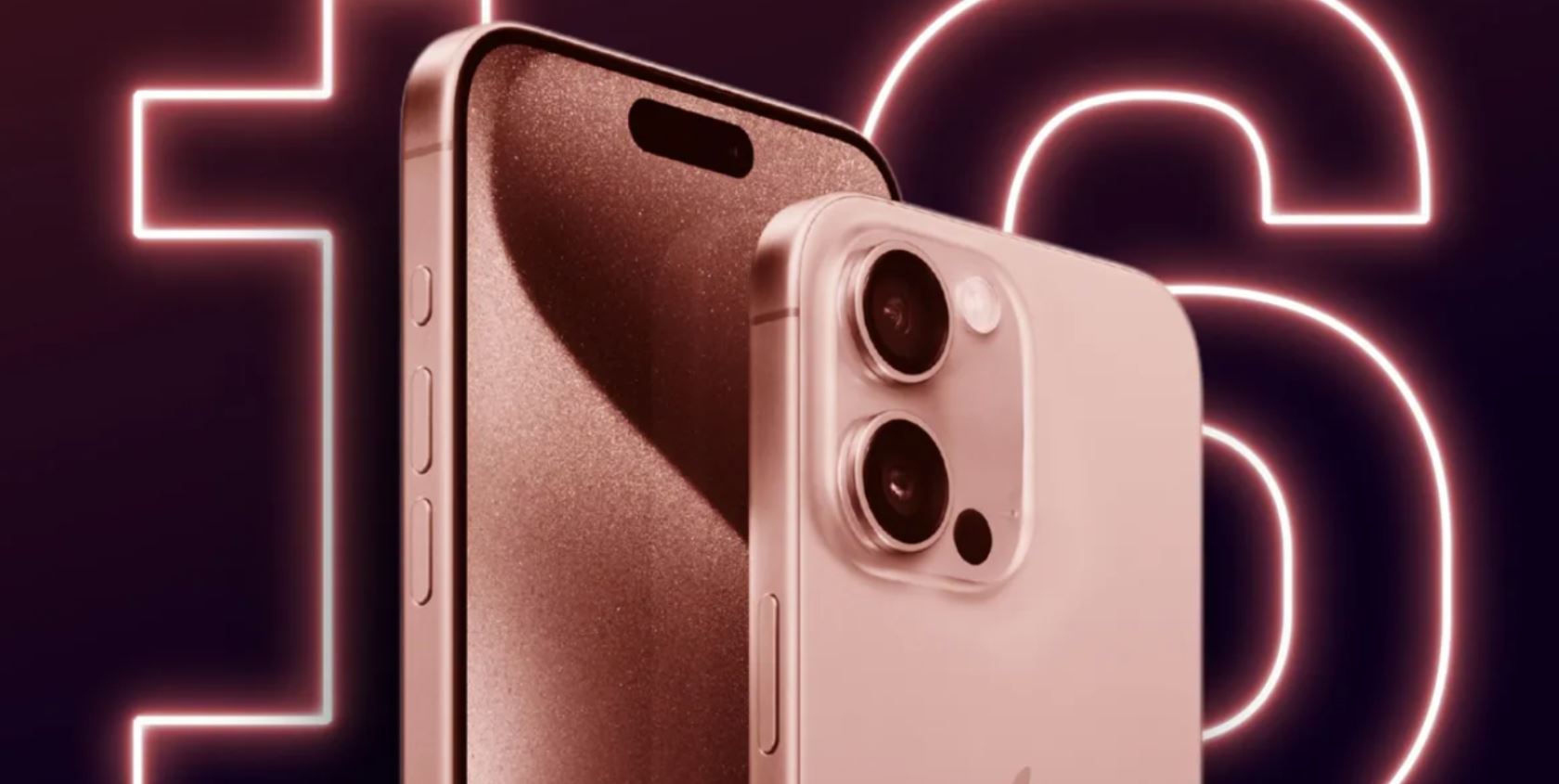
Indonesia’s Industry Ministry announced that the newly launched iPhone 16, released in September, cannot yet be marketed domestically. This restriction is due to Apple’s local unit not meeting a regulation requiring 40 percent of iPhone parts to be locally sourced.
“The iPhone 16 devices imported by registered importers cannot yet be marketed domestically,” said ministry spokesman Febri Hendri Antoni Arif in a recent statement, noting that “Apple Indonesia has not fulfilled its investment commitment to obtain… certification.”
Investment and Local Sourcing Needed for Compliance
To comply with the regulation, Apple would need to invest in local facilities and source materials from Indonesia for iPhone components, according to local media. The Ministry stated that individual users could bring new iPhones into the country for personal use, provided they aren’t sold commercially. It’s estimated that only about 9,000 units of the iPhone 16 have entered Indonesia so far—a small number for a population of 280 million.
Market Dominance by Asian Brands
Indonesia’s smartphone market is currently dominated by Chinese brands Xiaomi, Oppo, Vivo, and South Korea’s Samsung, with no substantial local Apple presence.
Apple Eyes Future Investment in Indonesia
Apple CEO Tim Cook visited Indonesia in April as the company explores potential investments in Southeast Asia’s largest economy and aims to diversify its supply chains beyond China.

4o

