



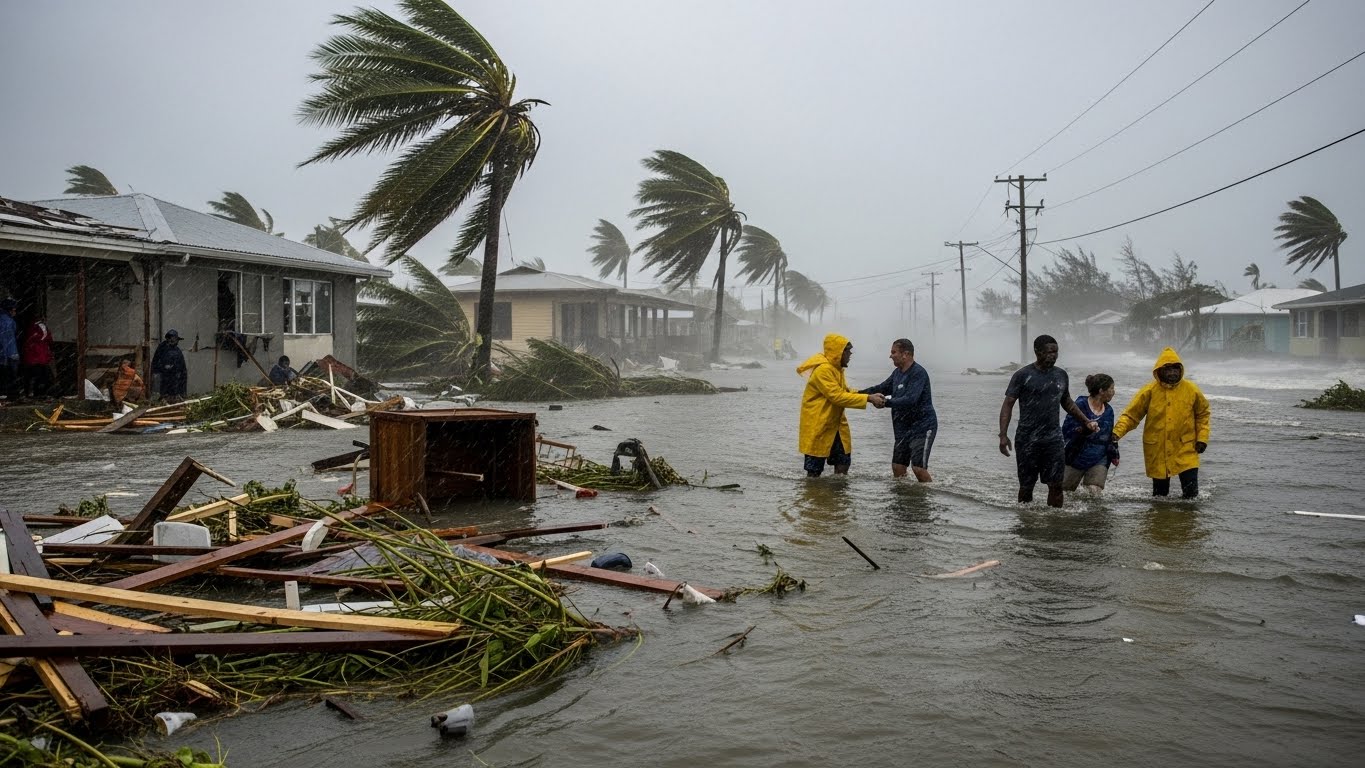
When Hurricane Beryl hit Texas on July 8, 2024, most people expected another one of those “typical Houston storms” we’ve all gotten used to. But this one was different. It was heavier, louder, and far more destructive than anyone thought it would be. Thirteen people died. Nearly three million homes lost power. Entire neighborhoods across Katy, Cypress, and Sugar Land felt like they had been turned upside down. But even with all the chaos happening outside, the part that truly stayed with me was the quiet suffering happening inside people’s homes, especially in South Asian immigrant families who try their hardest to hide their struggles.
I saw this with my own eyes. A family in my neighborhood had their whole apartment soaked when water started pouring through the ceiling during the storm. Their furniture was ruined. Their walls softened. Their kids couldn’t even sleep in their own rooms anymore. But when relatives asked how they were doing, the mother smiled and said something so familiar in our culture: “We’re okay, beta. Just staying with family for now.” The truth was the opposite. They weren’t okay. They weren’t “just staying with family.” They were displaced. They were dealing with something close to homelessness, even if no one wanted to call it that.
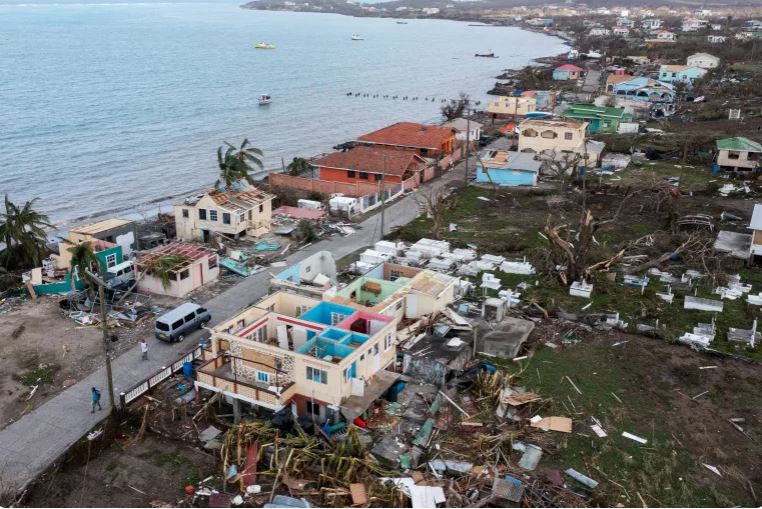
As a journalism student, when writing stories, I’ve been taught to look beyond what we can see and pay attention to the bigger picture. The official numbers from Beryl were quite shocking, strong winds reached about 75 mph near Matagorda. Some suburbs got up to 10 inches of rain while 2.7 million customers lost electricity. The schools delayed reopening and apartments in Katy, Richmond, and Cypress had devastating outcomes. But those numbers never capture what you’ll find when you step into real people’s lives. They don’t show the families who quietly squeeze into one bedroom at a cousin’s house. They don’t show the kids sleeping on floors for weeks. They don’t show grandparents sitting in hot, powerless apartments because they don’t know who to ask for help. They don’t show renters afraid to complain because they think their rent will go up or their landlord might threaten them. In reality, these silent struggles were happening everywhere, but no one was talking about them.
Silence is something our community knows too well. In South Asian culture, we’re raised to be strong and private. We’re told not to bother others with our problems. We’re taught to “manage,” even when everything is falling apart. But this mindset becomes dangerous during disasters.
The more I researched Hurricane Beryl, the clearer it became that there’s a kind of “hidden homelessness” that disasters create. Families who move in with relatives or friends are not counted as homeless by FEMA, but their lives have been completely disrupted. Their homes are unsafe. Their routines are broken. Their futures feel insecure. I also realized how vulnerable renters are. Many South Asian families rent, and when storms hit, repairs are slow, mold takes over, and landlords sometimes ignore or delay everything. To make things even harder, many elders struggle to understand FEMA forms or city assistance because of language barriers.
In moments like these, it’s the youth who step forward. We fill out the applications, translate the information, search for shelters, and try to make sense of confusing systems. We become the bridge.

After Beryl, I found myself trying to guide people who didn’t know where to start. I saw how lost families felt during and after the storm, and I wished someone had prepared them earlier. That’s when I started putting together basic advice for families around me. Things like keeping important documents together, having a small emergency bag ready, documenting damage right away, and knowing when a home is too unsafe to stay in. I shared these things with friends because I realized that we can’t keep going through disasters quietly and unprepared. Staying silent doesn’t protect us. It isolates us.
What makes all of this even more urgent is that Hurricane Beryl wasn’t a random,
once-in-a-lifetime storm. It’s part of a new pattern. Climate change is making storms stronger, faster, and harder to predict. Suburbs that people used to think were “safe”, places like the main Sugar Land, Richmond, Katy, and Cypress areas, are now getting hit again and again with flash floods, power failures, weakened buildings, and neighborhoods that aren’t built to handle this kind of weather. The storms aren’t slowing down, which means we can’t afford to pretend everything is fine anymore.
For South Asian families, preparing for storms has to mean more than buying water bottles or extra batteries. It has to mean being honest about our struggles. It has to mean admitting when our homes are unsafe. It has to mean teaching elders they can voice out their struggles and ask for help. It especially means to let youth step into leadership.
What I learned from reporting on Beryl is that we, the youth, have a louder role to play than we think. Our job isn’t just to gather facts or write stories. We can help change the way our community responds to crises. We can break cycles of silence. We can bring attention to the issues no one wants to talk about. And we can encourage families to take disasters seriously, prepare ahead, and speak up when help is needed.
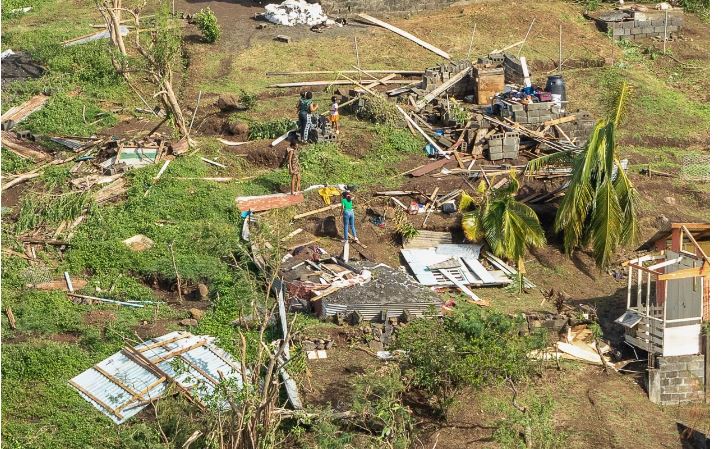
Hurricane Beryl didn’t just damage homes and knock out power. It revealed something uncomfortable: our community is not prepared for the storms of the future, not physically and not emotionally. But it also revealed something hopeful. It showed that young people like us can lead the way to a stronger, safer, more open response. The storms will keep coming. But our voices can be stronger than the fear that keeps us silent.

