


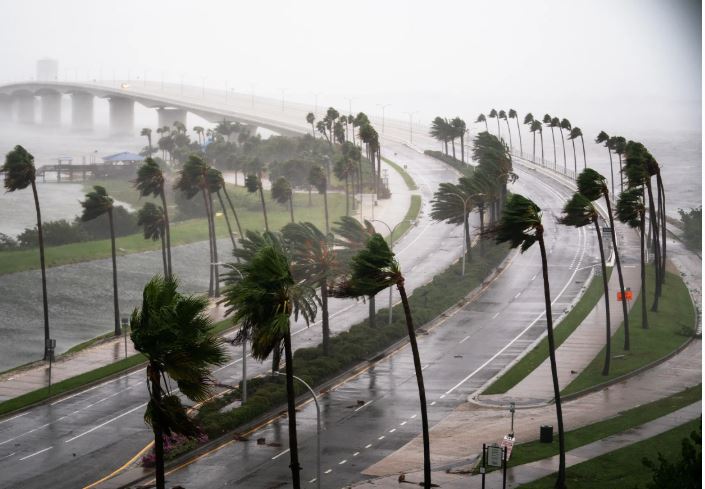
Hurricanes are among the most dangerous natural disasters, capable of causing widespread devastation from storm surge, high winds, rip currents, and flooding. These powerful storms can strike along any U.S. coast or territory in the Atlantic or Pacific Oceans. In the western North Pacific, they are referred to as typhoons.
The Federal Emergency Management Agency (FEMA) is reminding families, businesses, and communities to take steps now to prepare for hurricane season. Storm surge remains the leading cause of hurricane-related deaths in the United States, making early preparation essential.
Steps to Prepare Before a Hurricane
Know Your Risk
Hurricanes are not just a coastal problem. Rain, wind, flooding, and even tornadoes can occur far inland. Understand the hazards in your area and plan accordingly.
Make an Emergency Plan
Ensure everyone in your household understands your hurricane plan, including workplaces, schools, and child care centers. Businesses should have continuity plans to maintain operations during disasters.
Know Your Evacuation Zone
Learn your evacuation routes and practice them with your family and pets. Follow all guidance from local emergency managers, who provide updated instructions tailored to your community’s needs.
Recognize Warnings and Alerts
Download the FEMA app to receive real-time alerts from the National Weather Service (NWS) for up to five locations nationwide. Sign up for local community alerts and be aware of Emergency Alert System (EAS) and Wireless Emergency Alert (WEA) notifications.

Assist People with Disabilities
Identify any special needs within your household and ensure additional support is planned for individuals with disabilities.
Review Important Documents
Update insurance policies and safeguard personal documents such as identification. Store copies in a secure, password-protected digital space.
Strengthen Your Home
Clear gutters and drains, bring in outdoor furniture, and consider installing hurricane shutters.
Get Tech Ready
Charge cell phones when storms are forecast and keep backup charging devices available.
Help Your Neighborhood
Assist neighbors, seniors, and others who may need additional help securing their hurricane plans.
Gather Supplies
Assemble a go-bag with household essentials, medications, disinfectants, and pet supplies. Be prepared for disruptions lasting days or even weeks.
Stay Safe During a Hurricane
- Pay attention to emergency alerts and information.
- If in a mandatory evacuation zone, leave immediately when instructed.
- Take shelter in designated storm shelters or interior rooms during high winds.
- If trapped by floodwaters, move to the highest level of your home—never into a closed attic.
- Avoid floodwaters. Turn Around, Don’t Drown®—just six inches of fast-moving water can knock you down, and one foot can sweep your vehicle away.
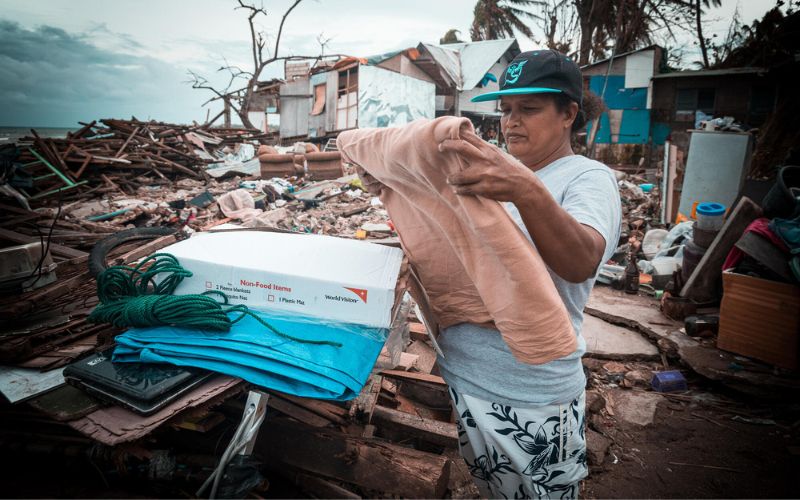
Returning Home After a Hurricane
- Follow local officials for instructions before returning.
- Wear protective clothing and use masks when cleaning mold or debris.
- Do not touch wet electrical equipment or stand in water near it. Turn off power at the main breaker if safe.
- Avoid floodwaters, which may contain pathogens, chemicals, and debris.
- Use texts or social media to communicate, keeping phone calls for emergencies.
- Document property damage with photos and contact your insurance provider.

