


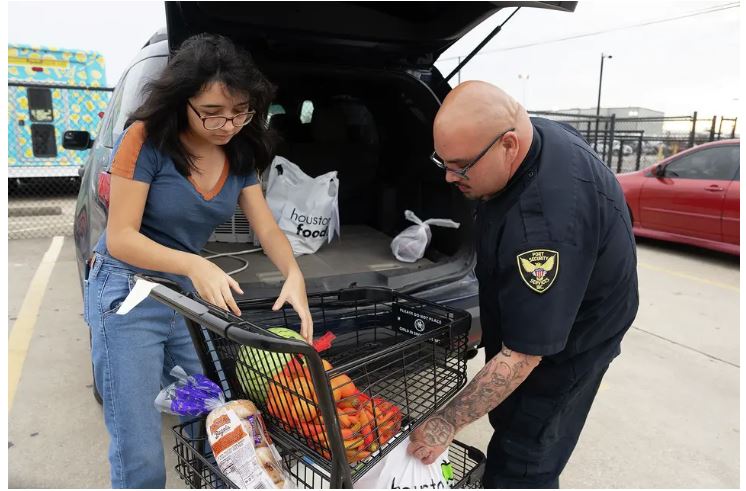
With federal food assistance expected to lapse on Saturday, the Houston Food Bank and several other anti-hunger organizations have launched an emergency response to help families affected by the government shutdown — a situation they are calling a “manmade disaster.”The Trump administration reaffirmed Friday that it would not use contingency funds to extend the Supplemental Nutrition Assistance Program (SNAP), despite pleas from millions who rely on it. According to the U.S. Department of Agriculture (USDA), over 3 million Texans — including 425,000 households in the Houston area — receive SNAP benefits. “If not for Congressional Democrats blocking government funding, November SNAP benefits would be paid on time,” USDA officials said in a memo.
Local Response: Treating the Crisis Like a Hurricane
“We’re treating this like a post-hurricane recovery,” said Brian Greene, President and CEO of the Houston Food Bank. “We’re surging operations to meet demand, but our support can’t replace people’s lost income.”
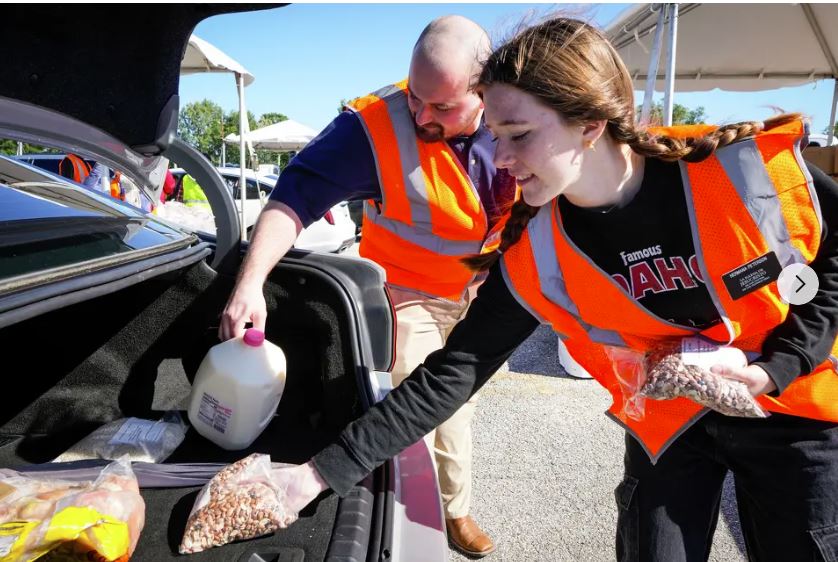
The food bank will hold two major distribution events — Wednesday for federal workers without paychecks, and Saturday for SNAP recipients whose benefits will stop November 1. The initiative also includes bolstering supplies with federal commodities, produce from reserves, and donations from partners such as H-E-B.
Greene warned that the longer the shutdown lasts, the more devastating the effects will become: “The fourth week is when real damage starts. If it stretches to eight weeks, the impact will multiply dramatically.” Fortunately, Houston Food Bank still has about 20,000 disaster boxes and incoming USDA shipments linked to Hurricane Beryl relief, which will partially offset the expected surge in demand.
National Impact and Economic Strain
SNAP currently supports about 42 million Americans, offering nine meals for every one provided by food banks. In 2023, the average household received $332 per month, while families with children received around $574.
Eligibility covers those earning less than 130% of the federal poverty level — roughly $1,632 per month for one person or $2,215 for two. However, federal spending cuts under the One Big Beautiful Bill will reduce food aid by $186 billion over the next decade, potentially pushing many out of the program entirely.

Emotional and Mental Toll
At Alexander Jewish Family Service, CEO Carl Josehart said calls for counseling have spiked.
“People are stressed, anxious, and afraid they’ll lose their homes or won’t be able to feed their kids,” he said, urging families to stay connected with faith communities and social networks for emotional support.
Political Tensions Mount
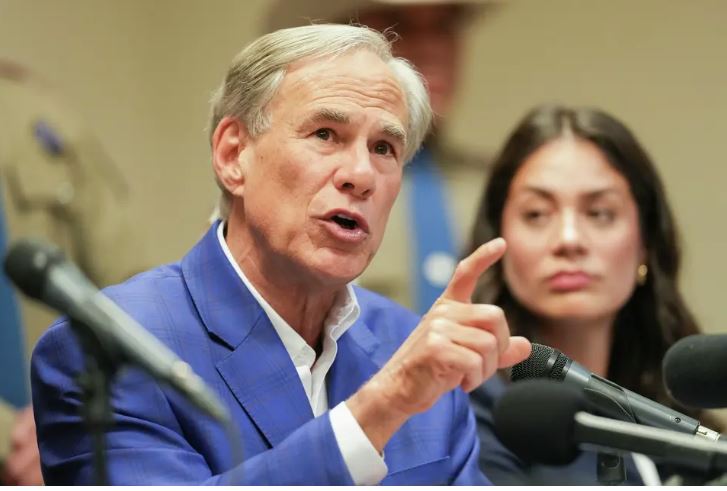
While Texas Gov. Greg Abbott has remained largely silent, 25 Democratic-led states have sued the Trump administration for withholding SNAP funds. “The government has the money; they’re choosing to harm millions,” said Massachusetts Attorney General Andrea Joy Campbell, who filed the lawsuit. Meanwhile, Sen. John Cornyn and Sen. Josh Hawley introduced legislation to keep SNAP funded during the shutdown. Hawley argued in a New York Times op-ed that food aid “is not an optional extra — it’s a vital benefit that reflects America’s tradition of helping those in need.”
No Cavalry Coming
Greene cautioned that unlike Hurricane Harvey or COVID-19, this time there may be no outside rescue: “During Harvey and COVID, we had resources and national support. Now, everyone’s struggling at once — there’s no cavalry coming.” As the shutdown enters its fifth week, the uncertainty grows — and for millions of Americans, so does hunger.

