


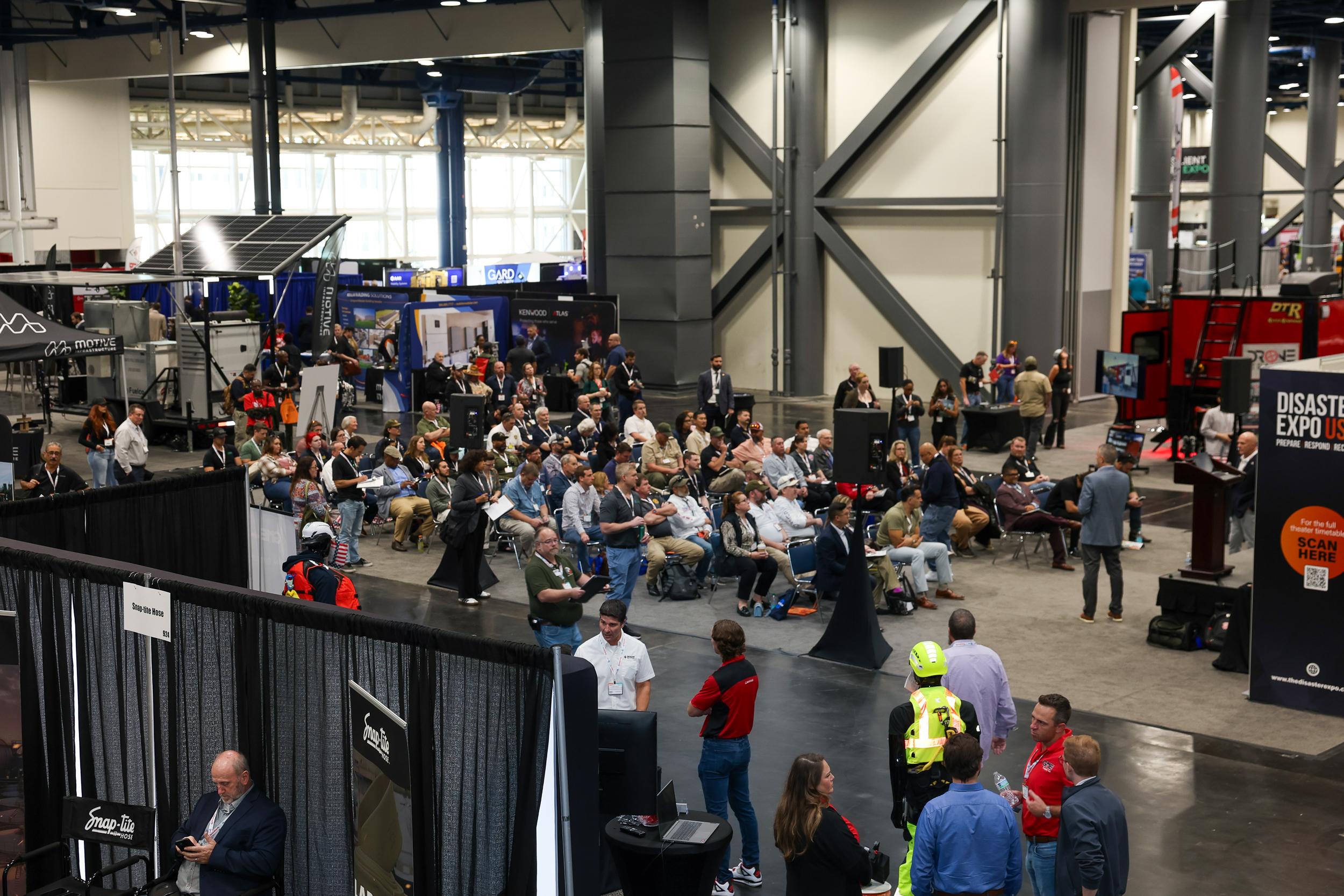
HOUSTON, Oct. 7, 2026: Houston will bring together disaster-management experts, emergency responders, government agencies, healthcare professionals and technology companies next week as the Natural Disasters Expo USA returns to the city with a focus on preparing communities for floods, hurricanes and other emergencies.
The two-day event will take place October 14 and 15 at the George R. Brown Convention Center and will focus on disaster preparedness, response and recovery. Organizers say the expo will showcase new technologies and practical strategies designed to help communities reduce risk and recover faster after major disasters.
From Early Warning to Emergency Response
The expo comes as cities across the United States face growing pressure from severe storms, flooding, extreme weather and other hazards.
Among the technologies and solutions being showcased are flood-risk monitoring, emergency communications, mapping systems, mobile command centers, medical and support shelters, power systems, transportation solutions and other tools designed for use before and after disasters.
One of the key themes is moving from simply responding to disasters toward being better prepared before they happen.
The event’s program includes discussions on how cities can keep essential services running during disasters, how emergency teams can coordinate communications and how communities can speed up recovery after major storms.

Houston’s Own Disaster Experience
The choice of Houston as the host city carries particular significance.
Houston and the surrounding region regularly deal with hurricanes, flooding and severe weather, making emergency planning a major part of the city’s public-safety work.
The City of Houston Office of Emergency Management is also among the exhibitors at the event. The office coordinates disaster response across city agencies and works with regional, state and federal partners during emergencies. It also promotes emergency preparedness among residents.
The expo will therefore provide a local look at how emergency agencies, utilities, infrastructure operators and private companies are preparing for the next major disaster.
The Critical First 72 Hours
One of the sessions will examine the first 72 hours after a major disaster, when emergency response can be most difficult and decisions often have to be made quickly.
The American Red Cross will discuss how it activates resources, works with government and emergency partners, manages information and delivers assistance during the early stages of a disaster.
Other sessions will look at emergency communications, disaster housing, flood protection, energy resilience and how cities can continue providing essential services during a crisis.
Lessons That Matter Beyond Houston
The lessons being discussed in Houston also have relevance for communities outside the United States.
For countries such as Pakistan, where floods, heatwaves, earthquakes and other climate-related emergencies can affect large populations, disaster preparedness increasingly depends on early warning systems, reliable communications, emergency healthcare, evacuation planning and fast delivery of essential supplies.
The technologies being showcased in Houston are not a substitute for local disaster planning, but they demonstrate how governments, businesses and emergency organizations can use technology and better coordination to reduce losses.
A Role for Houston’s Pakistani Community
For Houston’s Pakistani-American community, the expo also offers an opportunity to understand how one of the world’s major cities is preparing for disasters.
The community includes healthcare professionals, engineers, technology specialists, business owners and other professionals whose expertise could potentially contribute to stronger disaster preparedness and community resilience.
The broader message from the event is straightforward: effective disaster management begins before the disaster happens.
Better planning, stronger infrastructure, reliable communication and trained response teams can mean faster action and fewer lives disrupted when the next emergency arrives.

