


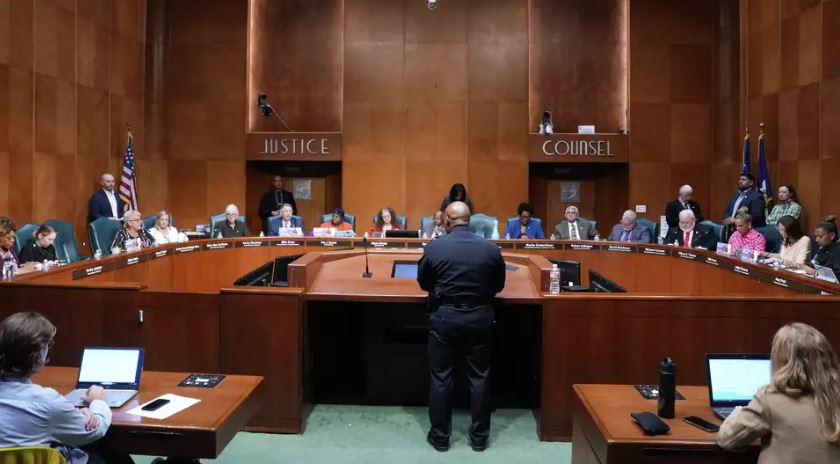
A deeply divided Houston City Council has approved a controversial proposal allowing the use of 30 million dollars from the city’s stormwater mitigation fund to demolish dilapidated and dangerous buildings, following a public clash between Mayor John Whitmire and City Controller Chris Hollins.
Before the vote, Hollins told council members that while no one disputes the danger posed by abandoned and blighted structures, the core issue is legality. He argued that the city is not legally authorized to use restricted stormwater funds for building demolitions, insisting that such spending violates the intended purpose of the fund.
Mayor Whitmire strongly pushed back, accusing the controller of politicizing the issue during what he said should have been a routine financial briefing. Whitmire said council members had just witnessed misinformation and criticized Hollins for turning the discussion into what he described as political theater.
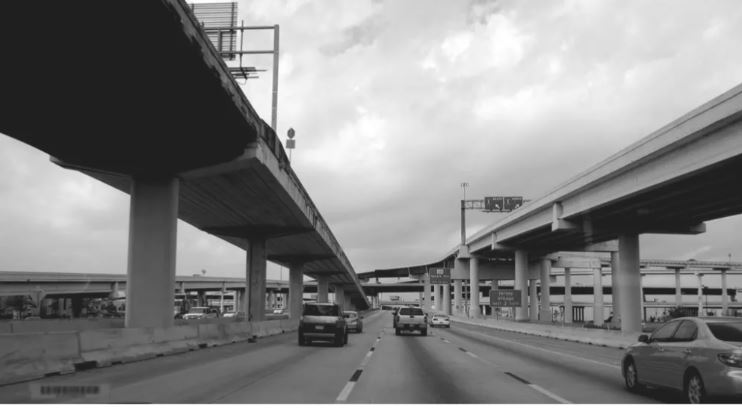
Houston Public Works officials estimate that more than 2,300 blighted buildings across the city are awaiting demolition. While it is unclear how many of these properties are directly connected to stormwater infrastructure, the department maintains that abandoned structures often contribute to illegal dumping, loose debris, and runoff that block drainage systems and worsen flooding.
During a budget committee presentation earlier in the week, Public Works Director Randy Macchi said his department is developing a decision-making framework to determine when a blighted building has a direct impact on stormwater flow. The city argues that demolitions would only move forward when inspectors can clearly link a structure to drainage problems.
According to criteria shared by the mayor’s office, a building would qualify for demolition using stormwater funds if it meets at least one condition, including being located in a floodplain, sitting near drainage infrastructure, creating serious runoff or debris issues, or falling within a drainage-impacted area identified by public works officials.

Several council members raised concerns that these standards are overly broad. Council member Abbie Kamin described them as a sweeping catch-all, arguing that such conditions apply to a large number of properties throughout Houston.
City officials said inspectors would be required to document that each demolition would improve drainage capacity, reduce runoff or erosion, or lower localized flood risks before stormwater funds are used.
The stormwater fund has grown significantly in recent years, reaching a record 166 million dollars this year, up from about 100 million last year and under 80 million the year before. The city’s budget approved in June included funding for demolishing dangerous buildings, alongside major allocations for drainage maintenance and debt payments.
When the city carries out demolitions, it places a lien on the affected property in an effort to recover costs from the owner.
The proposal was previously delayed after Hollins warned it could expose the city to lawsuits, citing a past court loss involving misuse of voter-approved flood mitigation funds. Although the city later reached a settlement in that case, advocacy groups opposed both the settlement and the demolition plan.
Activists from West Street Recovery and the Northeast Action Collective criticized the council’s decision and said they are considering legal action. Representatives from both groups argued that using stormwater funds for demolitions diverts resources from communities that are already struggling with repeated flooding.
City Attorney Arturo Michel said he is confident the program complies with Houston’s city charter and would hold up in court if challenged.
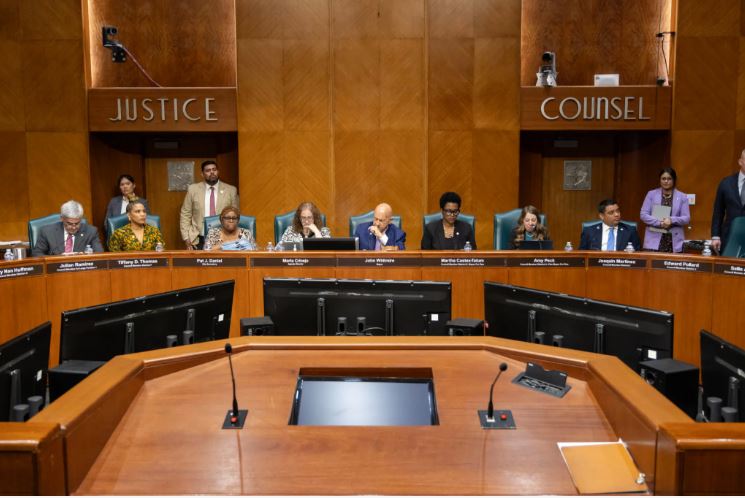
The measure passed by a narrow 9–7 vote. Several council members opposed the plan, including the chair of the budget and fiscal affairs committee, who said stormwater funds should be strictly reserved for infrastructure maintenance and flood prevention projects.
The vote marked the first roll-call appearance for newly elected at-large council member Alejandra Salinas, who said she shared concerns about the funding approach but expressed willingness to work with the mayor to address the issue collaboratively.
Supporters of the plan acknowledged the legal and policy concerns but argued the proposal remains within reasonable bounds, given the public safety and flooding risks posed by abandoned buildings across Houston.

