


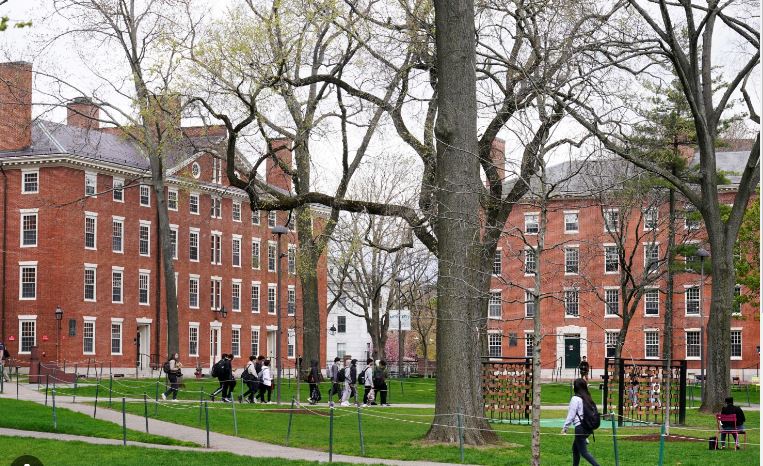
In the wake of Donald Trump’s unexpected victory in the presidential election, Harvard University made several adjustments to class schedules and academic requirements on Wednesday. These changes were aimed at helping students cope with the emotional impact of the results.
Mental Health Considerations: Optional Attendance and Extended Deadlines
To accommodate students’ emotional needs, professors across the university adjusted their classes. Some made attendance optional, while others extended deadlines for assignments and waived certain in-class requirements. Economics 1010a professor Maxim Boycko informed his students that quizzes for the day would not count for credit, offering them the option to skip class if they felt the need.
“Class will proceed as usual today, except that classroom quizzes will not be for credit,” Boycko wrote in an email. “As we recover from the eventful election night and process the implications of Trump’s victory, please know you can take time off if needed.”
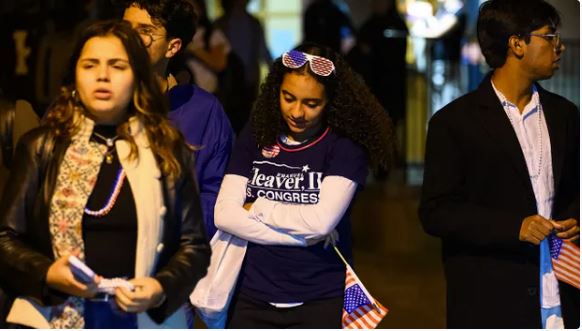
Students Reflect on Emotional Toll and Shock of the Election Outcome
The election results, which defied expectations, took a toll on many students at Harvard, with some finding it particularly difficult to attend classes. Jack A. Kelly, a student who spoke with The Harvard Crimson, expressed that he felt conflicted about attending class due to the emotional strain. “This definitely takes a toll on people’s mental wellbeing,” Kelly shared. He noted that several of his professors had expressed understanding and encouraged students to prioritize their mental health.

Disbelief Among Harvard Students Over Trump’s Victory
For some Harvard students, the results of the election came as a complete shock. Samantha Holtz, a student who had been surrounded by strong support for Vice President Kamala Harris among her peers, admitted she had assumed the election outcome was already decided. “Being at Harvard, I was surrounded by a lot of people who were very pro-Harris,” Holtz said. “It was a little bit shocking to me.”

University’s Response Shows Concern for Student Well-being
The emotional impact of the election, particularly in a politically charged environment like Harvard, prompted faculty and administration to prioritize student well-being. The university’s response signified an understanding of the psychological burden placed on students, providing a space to process the results while maintaining flexibility in academic expectations.
This approach reflected a broader trend in higher education institutions recognizing the emotional needs of students during times of political and social upheaval.

