


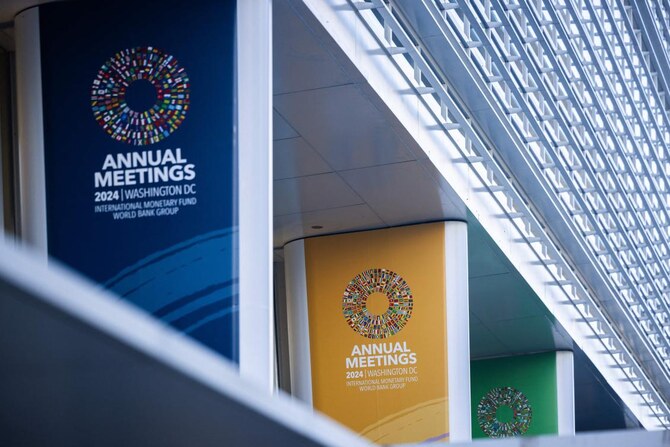
This week, global finance leaders will gather in Washington for the International Monetary Fund (IMF) and World Bank annual meetings, set against a backdrop of geopolitical uncertainty and economic challenges. With wars raging in the Middle East and Europe, a weakening Chinese economy, and concerns about a potential U.S. presidential election outcome, the global financial community faces a critical moment.
Potential Impact of U.S. Election on Global Economy
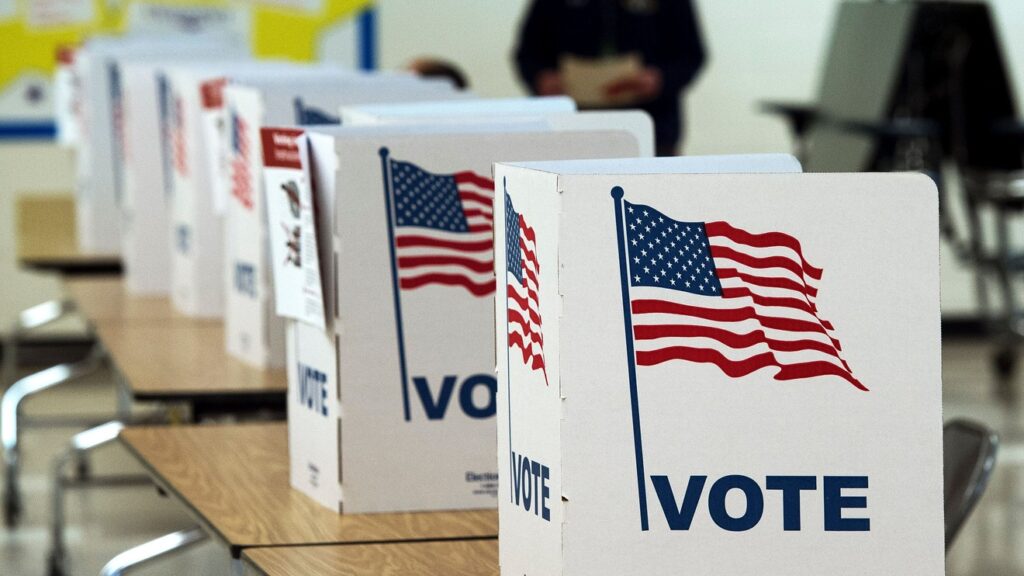
The looming U.S. presidential election is the central issue overshadowing the official agenda. While not formally discussed, the outcome of the Nov. 5 vote could significantly impact international trade, the U.S. dollar, Federal Reserve policies, and multilateral economic cooperation. Josh Lipsky, a former IMF official, emphasized that the election’s result could affect every nation.
If U.S. Vice President Kamala Harris wins, she is expected to continue the Biden administration’s multilateral approach, focusing on climate, tax, and debt relief initiatives. This contrasts with the potential economic disruption a Donald Trump victory might bring, including higher tariffs and a retreat from climate cooperation.
Janet Yellen’s Possible Last Meeting
This week’s meetings may mark the final appearance of U.S. Treasury Secretary Janet Yellen, a key figure in the Biden administration’s global economic efforts. Yellen, who has played a pivotal role in multilateral financial and climate efforts, has indicated she will likely step down at the end of President Biden’s term.
Trade Tensions and Anti-China Sentiment
Growing anti-China sentiment, particularly regarding trade policies, is expected to dominate discussions. The Biden administration’s recent tariff increases on Chinese electric vehicles, semiconductors, and solar products are likely to be major topics, as wealthy countries focus on industrial policy and China’s influence on the global economy.
IMF’s Global Growth Forecast and Debt Concerns
On Tuesday, the IMF will release its updated global growth forecasts. IMF Managing Director Kristalina Georgieva has already signaled a lackluster outlook, pointing to sluggish growth due to high global debt levels. However, she noted some optimism, citing resilience in the U.S. and India that offsets weakness in China and Europe.

A key issue at the meetings will be the scarcity of liquidity in emerging markets, which are grappling with high debt and shrinking development aid, delaying essential investments in growth.
Geopolitical Risks and Oil Supply
Last year’s IMF and World Bank meetings were overshadowed by the conflict between Hamas and Israel, which led to devastating economic and human tolls in the region. While the economic impact was largely confined to neighboring economies, any escalation that affects oil and gas delivery could have more significant global repercussions.
Support for Ukraine: A Key Discussion Topic
Support for Ukraine will also be a central theme, as the G7 nations work towards a $50 billion loan package for Ukraine, backed by frozen Russian sovereign assets. This financial assistance is partly seen as a safeguard against a potential Trump victory, as he has threatened to pull the U.S. out of Ukraine.
A Focus on Action at Annual Meetings
Despite the looming concerns, World Bank and IMF officials are committed to focusing on actionable outcomes at the meetings, which mark the 80th anniversary of the institutions’ founding at Bretton Woods in 1944. For World Bank President Ajay Banga, the priority is speeding up project preparation and refining the bank’s new scorecard to improve development outcomes.
“We know the problems; now let’s focus on solutions,” Banga said, emphasizing the need for the institutions to take meaningful steps forward.

