


A new report by the Free and Fair Election Network (FAFN) reveals a concerning trend of declining voter turnout in Pakistan’s general elections. From a peak of 55.5% in 2013, turnout dropped to 52% in 2018 and 48% in 2024, signaling growing public disinterest in participating in the democratic process.
Historical Trends in Voter Turnout
Voter turnout had steadily increased in elections leading up to 2013, rising from 41.7% in 2002 to 44.4% in 2008 and 55.5% in 2013. However, despite an increase in the total number of votes cast, turnout percentages have since declined.
- Votes Cast Over the Years:
- 2002: 30 million
- 2008: 35.64 million (+18%)
- 2013: 46.91 million (+32%)
- 2018: 54.73 million (+17%)
- 2024: 61.28 million (+12%)
Urban-Rural Divide in Turnout
In 2024, rural areas recorded a higher voter turnout (50.1%) compared to urban areas (43.8%), reflecting differing engagement levels across demographics.
Gender Trends
The Election Commission of Pakistan began reporting gender-disaggregated data in 2018, revealing significant trends:
- Female voter turnout increased in absolute numbers, with women casting 24.4 million votes in 2024, 2.7 million more than in 2018.
- Despite this rise, both male and female turnout percentages declined in most regions except Islamabad.
Growing Apathy Evident in Polling Patterns
- The number of polling stations with very low turnout rose sharply from 352 in 2018 to 915 in 2024.
- Constituencies with less than 30% turnout increased from 3 in 2018 to 8 in 2024.
- Only 11 constituencies saw turnout exceed 60% in 2024, a stark decline from 23 in 2018 and 90 in 2013.
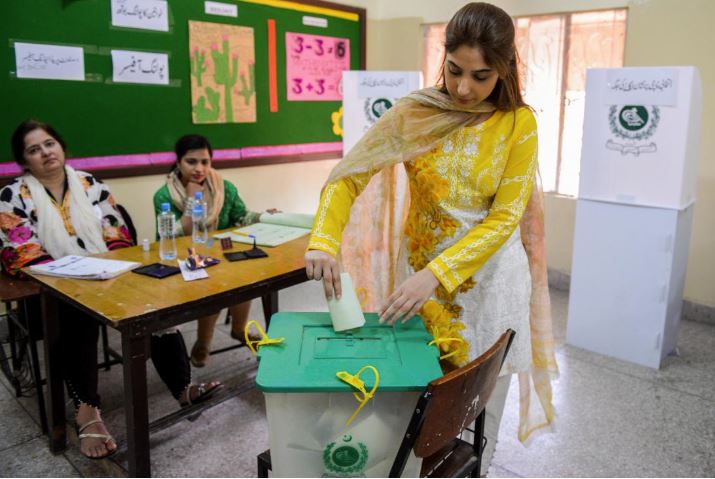
- In 2018, there were 114 polling stations where no votes were cast. Alarmingly, this number increased significantly in 2024.
- Women cast no votes at 464 polling stations in 2024, while men cast no votes at 62.
This alarming decline in voter turnout across urban, rural, and gender divisions signals a pressing need to reengage citizens in the electoral process and address barriers to participation.


