


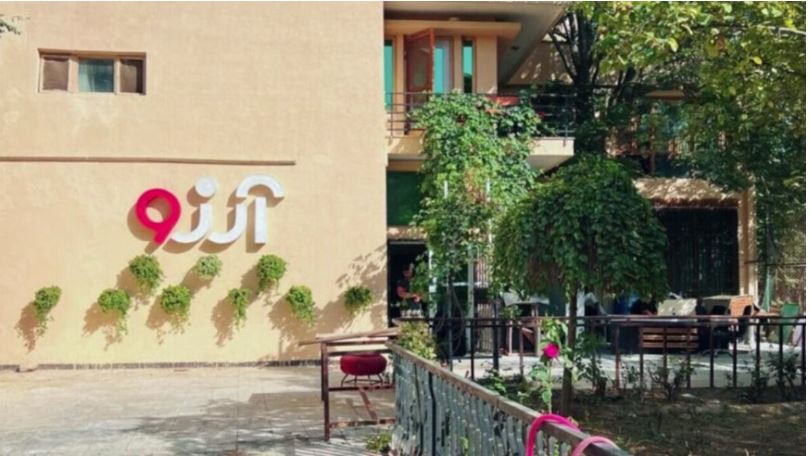
Afghanistan’s media landscape has suffered another setback with the recent closure of Arezo TV, a Kabul-based television station, by the Taliban’s Ministry for the Propagation of Virtue and Prevention of Vice (PVPV). The shutdown follows allegations that the station aired “vulgar” content and collaborated with exiled media outlets, which have faced increasing censorship under the Taliban’s rule.
Closure Announcement and Allegations
On December 5, the PVPV announced the station’s closure, claiming that Arezo TV’s actions violated Islamic and Afghan values. The ministry accused the station of employing temporary workers to dub inappropriate programs. This latest move adds to the ongoing repression of Afghan media workers since the Taliban’s return to power.
Raid, Detentions, and Staff Mistreatment
Reports from the Afghanistan Journalists Centre revealed that the raid on Arezo TV led to the detention of six employees, along with the mistreatment of staff and the seizure of equipment. This raises concerns about press freedoms and the lack of accountability in the current regime. Journalists and media professionals have faced increasing intimidation, contributing to Afghanistan’s dismal ranking of 178th out of 180 on the World Press Freedom Index.
Intrusive Measures and Employee Accounts

Two anonymous Arezo TV employees shared accounts of the raid, describing how armed Taliban officials stormed the station. Staff members were separated by gender, and their phones and computers were confiscated. The detained employees are reportedly under investigation for their involvement with the station’s content, casting doubt on the station’s future.
Impact on Afghan Media Landscape
Arezo TV’s closure highlights the broader struggle faced by media outlets across Afghanistan. Founded in 2006, the station produced news coverage and programs such as wildlife documentaries and Turkish-dubbed Islamic series. With a staff of approximately 70, Arezo TV had been a vital source of information and entertainment for Afghan citizens, now left to cope with the consequences of this latest media shutdown.
The Shrinking Space for Journalism
This incident is part of a growing pattern of media repression since the Taliban regained control of Afghanistan. Many media outlets have either shut down or dramatically altered their operations to avoid censure. Numerous journalists have fled the country, further diminishing the diversity of voices in the media landscape.
Contradictory Statements from the Taliban Government
While the Taliban government, through spokesperson Zabihullah Mujahid, insists that press freedoms exist as long as journalists comply with Islamic values and national interests, incidents like the closure of Arezo TV contradict these claims. The international community and human rights organizations are closely monitoring these developments.
Read more from Pulse News: https://pulsenews.world/rashid-khan-takes-a-stand-against-talibans-ban-on-womens-medical-education/
Challenges for Journalists Under Taliban Rule
The United Nations Assistance Mission has documented the intense censorship faced by Afghan journalists, who operate under severe regulations and the constant threat of violence. The fear within the media community continues to grow, and incidents like the closure of Arezo TV only heighten these concerns.
Read more from Pulse News: https://pulsenews.world/iran-tightens-hijab-laws-with-severe-penalties/
A Bleak Future for Press Freedom
The abrupt closure of Arezo TV serves as a stark reminder of the precarious situation faced by Afghanistan’s media institutions and their employees. As the road to press freedom becomes increasingly difficult, the future of Afghan journalism remains uncertain. Will Afghan media survive the ongoing wave of repression? Only time will tell.

