


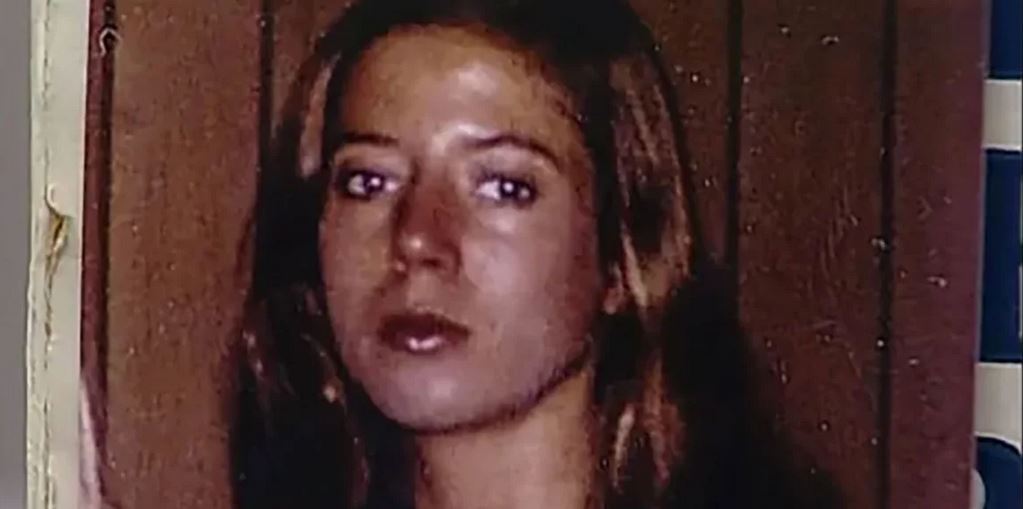
Investigators in Wisconsin have solved a cold case that had remained unsolved for nearly 50 years, thanks to the breakthrough technology of genetic genealogy. Authorities have charged an 84-year-old Minnesota man, Jon Miller, with the 1974 murder of Mary K. Schlais, whose body was found at an intersection in Spring Brook, Wisconsin.
Victim Identified, Case Remains Unsolved for Decades
Mary K. Schlais, 25, was discovered dead on February 15, 1974, with her death initially ruled a homicide by the Dunn County Sheriff’s Office. Schlais, who was hitchhiking to an art show in Chicago at the time, was the victim of a brutal killing. Despite years of investigations, numerous leads, and extensive interviews, the case remained open, but no viable suspects were identified.
Breakthrough Using Genetic Genealogy
After decades of dead-ends, investigators finally found a lead when they enlisted the help of genetic genealogists from Ramapo College in New Jersey. The team utilized forensic genetic genealogy—a method combining DNA analysis with traditional family history research—to trace the crime to its suspect. This method has become increasingly useful in solving cold cases by linking DNA samples to potential family members.
Sheriff Kevin Bygd of the Dunn County Sheriff’s Office confirmed that the breakthrough allowed them to identify Jon Miller, of Owatonna, Minnesota, as the prime suspect. He was arrested on Thursday after he allegedly confirmed his involvement in Schlais’ death. Miller is currently being held in Steele County, Minnesota, awaiting extradition to Wisconsin.

“This is a huge victory for our agency,” Sheriff Bygd said at a Friday news conference. “It’s the first time we’ve used genetic genealogy to solve a case.”
The Role of Genetic Genealogy in Solving Cold Cases
Genetic genealogy has become a powerful tool in solving cold cases that have remained unsolved for years, if not decades. By analyzing DNA from crime scenes and comparing it to genetic databases, law enforcement agencies can uncover potential family connections that lead to the identification of suspects.
Sheriff Bygd acknowledged the pivotal role Ramapo College’s genetic genealogists played in solving the case. “We had a college willing to step up and help us with this process, and that made all the difference,” Bygd explained.
Challenging Investigation: Adopted Family and DNA Mystery
During the investigation, detectives faced a significant challenge when they discovered that Miller was adopted. This “curveball” in tracing his family lineage required additional effort and time, but investigators eventually succeeded in identifying him as the suspect.
Despite this challenge, Bygd praised the dedication of his team, noting the significant amount of work involved in piecing together the genetic evidence.

Suspect’s Reaction: A Reluctant Admission
When investigators spoke with Miller, he was reportedly “fairly calm” about the situation. Bygd suggested that Miller may have felt a sense of relief after living with the guilt for so long. “It’s had to have been on his mind almost every day. You would think anyone with a conscience would feel that way,” Bygd said.
A Sense of Closure for Schlais’ Family
The news that the case had been solved was welcomed by Schlais’ family, who expressed both relief and gratitude to the investigators who had worked tirelessly on the case. Investigators Dan Westland and Jason Stocker shared that they had spoken to Schlais’ relatives, who were deeply moved by the resolution of the case.
Sheriff Bygd also noted that many of the detectives and former sheriffs who had worked on the case had passed away, adding a sense of fulfillment in being able to close the chapter on such a long-unsolved case. “I was sitting in a deer stand when I got the text that the case was solved,” Bygd recalled. “I had a hard time controlling my excitement.”
A Long-Awaited Victory for Law Enforcement
For the Dunn County Sheriff’s Office, the resolution of Schlais’ case is a major triumph. Bygd expressed his elation at bringing closure to a case that had been in limbo for so long. “I’ve been through every investigator who picked this up and ran with it, and we always hit a dead end. It feels incredible to finally close this chapter,” he said.

