


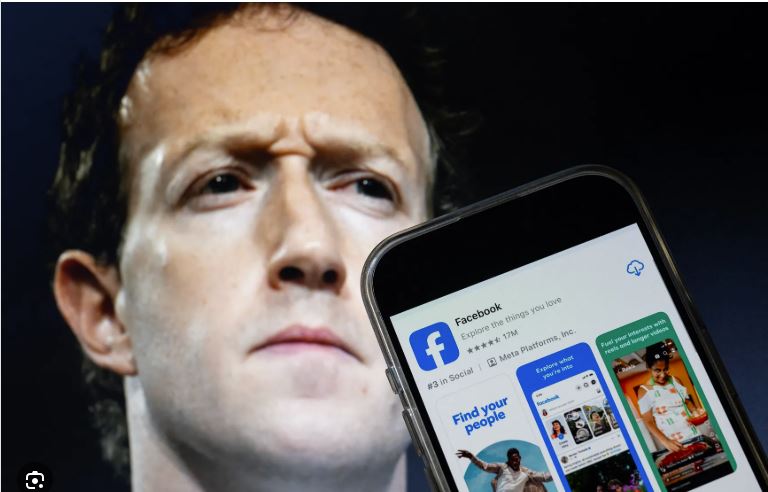
Meta CEO Mark Zuckerberg announced significant changes to Facebook and Instagram, including the removal of independent fact-checkers in the United States, in favor of a “community notes” system inspired by Elon Musk’s X. The move, intended to “dramatically reduce censorship,” has drawn sharp criticism from human rights groups, disinformation experts, and activists.
Fact-Checkers Replaced Amid Push for Free Speech
Zuckerberg stated in a video that Meta’s new system would rely on users to add context and caveats to contentious posts. He argued that independent fact-checkers were “too politically biased,” a claim strongly denied by fact-checking organizations. He also announced the relocation of content moderation teams from California to Texas, citing concerns over perceived bias.
“We’re shifting focus to address high-severity violations like drugs, terrorism, and child exploitation,” Zuckerberg said, while acknowledging that Meta will “catch less bad stuff” under the new policy.
Critics Warn of Dangers
The changes were condemned as a “major step back” by the Centre for Information Resilience, which tracks online hate speech and disinformation. Ian Russell, whose daughter Molly died after exposure to harmful content on Instagram, expressed concern about Meta’s reduced proactive moderation, warning of “dire consequences for children and young adults.”
Global Witness called the announcement “a blatant attempt to cozy up to the incoming Trump administration,” with harmful implications for marginalized groups and activists.
Trump and Meta: A Warming Relationship
The timing of Meta’s shift coincides with Donald Trump’s potential return to power. Trump welcomed the changes, suggesting they were influenced by his warnings to Zuckerberg about interfering in elections. The pair recently reconciled during a dinner at Mar-a-Lago, following years of tension.

Trump has praised Meta’s pivot, calling it a step toward ensuring “free and fair speech” on social media. Zuckerberg also pledged to work with Trump to counter global regulations, particularly those in Europe and Latin America, which he described as increasingly censorious.
Leadership Shakeup at Meta
Meta recently appointed Joel Kaplan, a prominent Republican, as its president of global affairs, replacing former UK Deputy Prime Minister Nick Clegg. The company also added Dana White, a Trump ally and CEO of the UFC, to its board as it aligns more closely with the Republican Party.
Support and Opposition
Piers Morgan applauded the changes as a rejection of “woke censorship,” while the International Fact-Checking Network criticized Meta for undermining its fact-checking program. Angie Drobnic Holan, the network’s director, said claims of bias were “unfounded” and an excuse for spreading misinformation unchecked.
Chris Morris, CEO of UK-based fact-checker Full Fact, warned that the decision could have a chilling effect globally. “Removing fact-checkers won’t help society combat rising misinformation,” he said.
Government Responses
In the UK, the Online Safety Act, set to take effect in March, will require social media companies to remove harmful content and protect children. A government spokesperson stressed that platforms like Meta must continue to counter disinformation despite policy changes.
Zuckerberg Defends Policy Shift
Zuckerberg justified the move as necessary for prioritizing free speech and reducing over-censorship. He acknowledged trade-offs, saying the changes will enable users to share their beliefs more freely while focusing enforcement on illegal content.
“This is about creating an open platform while working with governments and users to push back against overreach,” he said. “The reality is, the world needs less censorship, not more.”

