


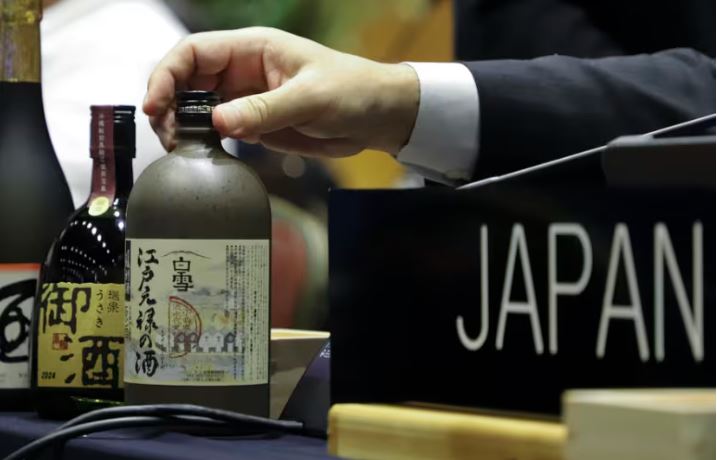
Sake, Japan’s iconic rice wine, has been officially recognized by UNESCO as part of humanity’s intangible cultural heritage. This announcement was made during a meeting in Luque, Paraguay, where UNESCO’s cultural heritage committee added 45 cultural practices and traditions to its esteemed list.
Symbol of Japanese Culture
Sake, deeply rooted in Japan’s culinary and social traditions, is revered as a “divine gift” and plays an integral role in weddings, festivals, and special toasts. “Sake is essential for social and cultural events in Japan,” noted Takehiro Kano, Japan’s ambassador to UNESCO.
The recognition honors the craft of sake-making, a process requiring rice, water, yeast, and koji mold, which transforms starches into fermentable sugars over a two-month period of steaming, stirring, fermenting, and pressing.
A Tradition Spanning 1,000 Years
The art of sake brewing dates back over a millennium and even features in Japan’s 11th-century literary classic, The Tale of Genji. The UNESCO designation celebrates not just the technical skill of sake production but also its cultural and historical significance.
Challenges in a Changing Market
Despite its rich history, sake faces declining domestic consumption as younger generations opt for imported wines, beer, and whiskey. Officials hope this global recognition will renew interest in sake within Japan and bolster its image as the country’s premier alcoholic beverage.
Boost for Exports
The listing could also strengthen Japan’s export economy. Sake exports, particularly to the US and China, now generate over $265 million annually, according to the Japan Sake and Shochu Makers Association. The international popularity of Japanese cuisine has fueled a surge in demand for sake worldwide.

Celebrations and Optimism
Japanese Prime Minister Shigeru Ishiba expressed pride in the UNESCO recognition, praising those dedicated to preserving this tradition. Breweries are optimistic that the designation will help raise awareness about traditional sake-making techniques and enhance its global appeal.
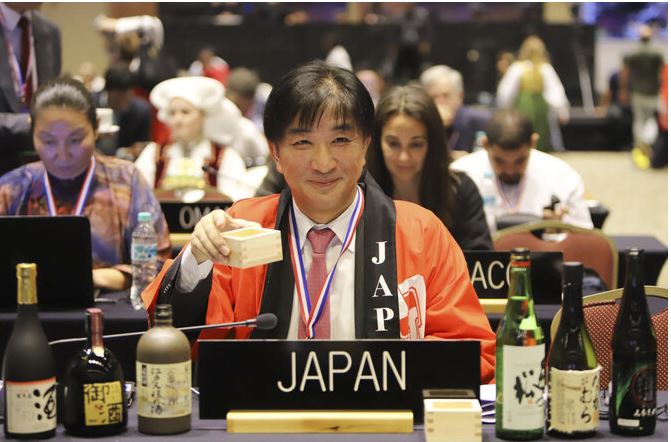
In Luque, after the announcement, Japan’s delegation celebrated in true Japanese fashion. Ambassador Kano raised a cypress box filled with sake, toasting to the recognition of this cherished cultural heritage.

