Pakistan’s Minister for Religious Affairs, Chaudhry Salik Hussain, announced the Hajj Policy for 2025, which includes a new installment payment plan for pilgrims wishing to perform Hajj. This move aims to ease the financial burden on individuals seeking to undertake this important religious journey.
Hajj: A Sacred Pillar of Islam and a Major Undertaking
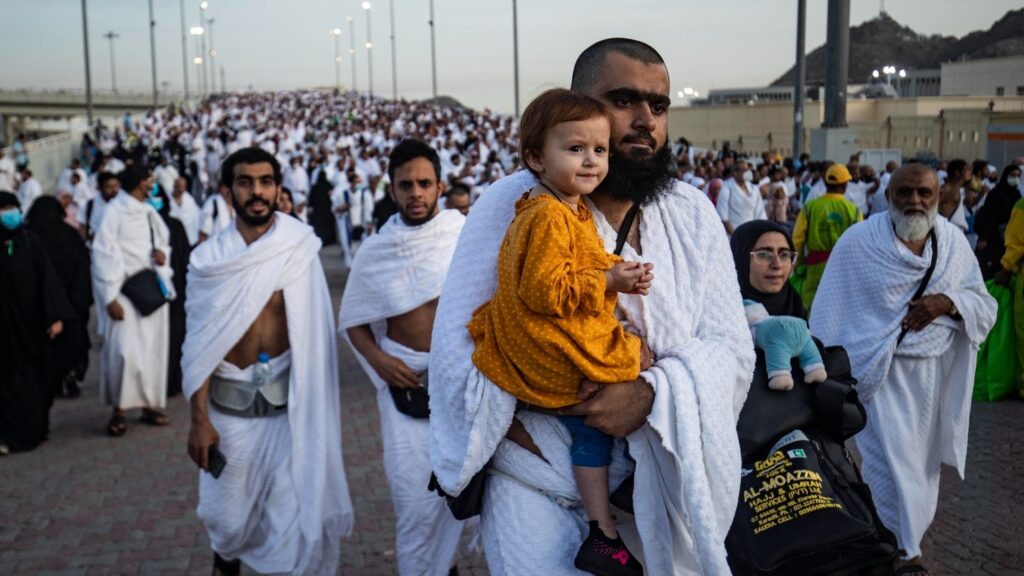
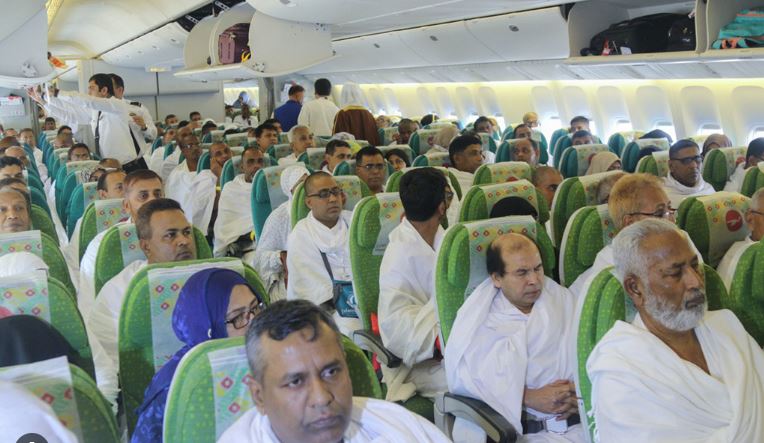
Hajj, one of the five pillars of Islam, is a pilgrimage that millions of Muslims from around the world undertake annually. Pakistan, with one of the largest Hajj quotas granted by Saudi Arabia, faces immense demand for the pilgrimage, with many citizens often waiting years for an opportunity to perform the rites.
Hajj Fees and Payment Structure for 2025
For Hajj 2025, the cost under the government’s official scheme is expected to range between Rs1,075,000 and Rs1,175,000. Additionally, pilgrims will incur an extra Rs55,000 for the ritual sacrifice (Qurbani). The payment for the pilgrimage will be split into three installments:
- The first installment of Rs200,000 must be paid along with the application submission under the government scheme.
- The second installment of Rs400,000 is due within ten days of the balloting.
- The remaining balance is to be paid by February 10, 2025.
Minister Hussain clarified, “If you submit Rs200,000 at the time of application and your name is selected in the lucky draw, you will then pay Rs400,000 before submitting the remaining amount between February 1-10 next year.”

Government’s Effort to Ease Payment Burden
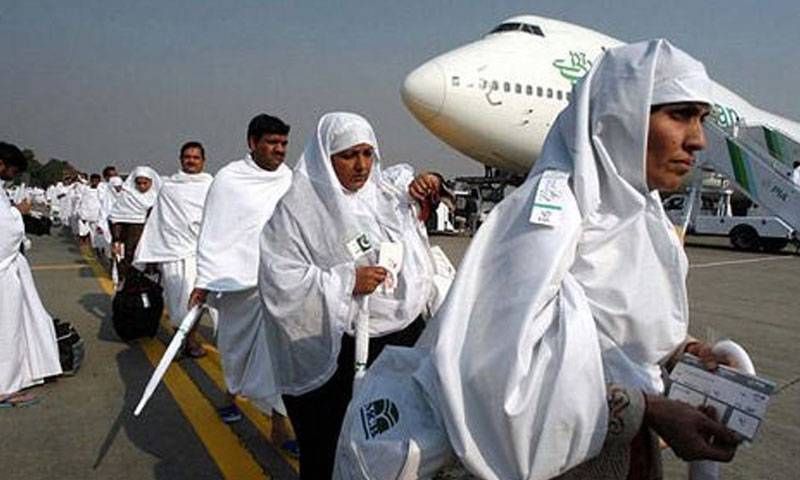
The new installment plan aims to make Hajj more accessible to those who may not be able to pay the full amount upfront. However, there are penalties for withdrawals: Rs50,000 will be deducted if the first installment is refunded, and Rs200,000 will be deducted if the third installment is not submitted by the deadline.
Quota and Priority for First-Time Pilgrims
The Pakistani government has approved a quota of 179,210 pilgrims who will be able to travel under the official government scheme, in addition to those traveling through private tour operators. Minister Hussain emphasized that priority would be given to individuals who are undertaking Hajj for the first time.
Changes to Age and Package Options
As part of the new policy, children under the age of 12 will no longer be allowed to travel for Hajj. The traditional “long package” will cover a duration of 38 to 42 days, while a shorter “short package” will range from 20 to 25 days.
This updated Hajj policy aims to make the pilgrimage more financially accessible and manageable for Pakistani citizens, while ensuring fairness in the selection process.