


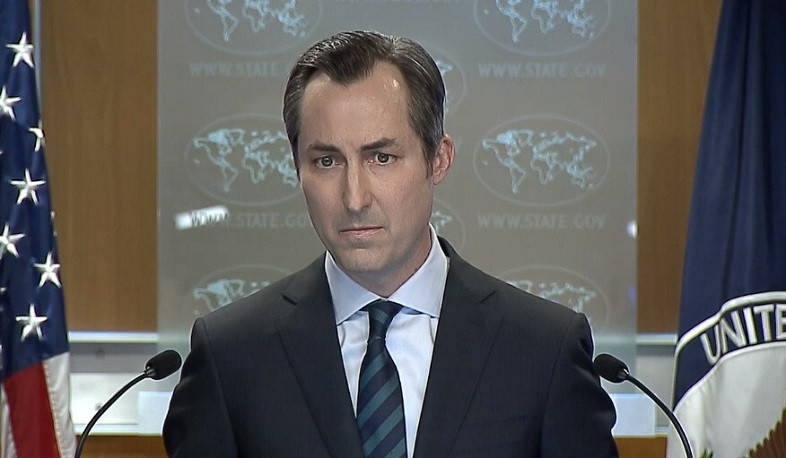
The Biden administration has confirmed the receipt of a letter from members of the US Congress regarding the detention of Pakistan Tehreek-e-Insaf (PTI) founder and former Prime Minister Imran Khan. Matthew Miller, spokesperson for the US State Department, stated that President Joe Biden received the letter and assured that an official response would follow “in due course.”
US Emphasizes Commitment to Democracy in Pakistan
Miller reaffirmed the United States’ support for democratic processes and human rights in Pakistan, emphasizing, “We want to see democracy flourish in Pakistan.” He also addressed recent meetings between US Deputy Assistant Secretary Monica Jacobsen and Pakistani officials in Islamabad, where Jacobsen reportedly underscored the importance of human rights and the vital role of civil society in sustaining democratic institutions.
Over 60 Congress Members Call for Khan’s Release
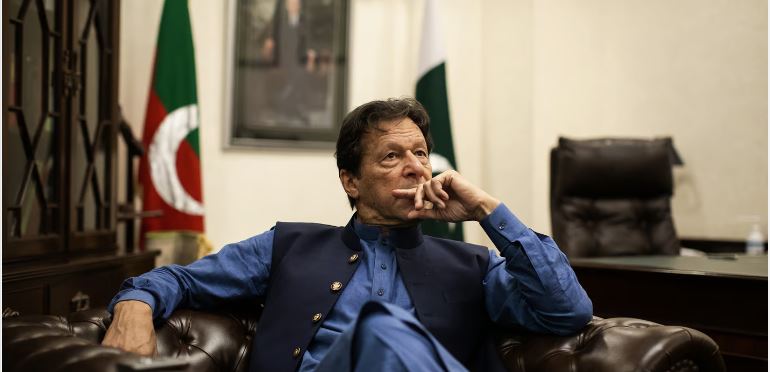
Last week, more than 60 Democratic lawmakers from the US House of Representatives sent a letter urging President Biden to leverage Washington’s influence with Pakistan to secure the release of political prisoners, including Imran Khan. Led by US Representative Greg Casar, the letter represents the first collective call by multiple Congress members for Khan’s release, despite his historically tense relationship with Washington as a critic of US foreign policy.
Background on Khan’s Detention and Political Context
Khan, who was removed from office in 2022, has been imprisoned since August 2023. Following his ouster, he launched a protest movement against his political rivals, including Prime Minister Shehbaz Sharif, and claims the legal cases against him are politically motivated, barring him from participating in Pakistan’s February 2024 elections. He has also had a fallout with the military, whom he accuses of orchestrating his removal, a claim the military denies.
Lawmakers and International Observers Raise Concerns
The letter from Congress additionally referenced alleged irregularities in Pakistan’s elections. Although Pakistan’s election commission denies these claims, Washington has raised concerns, stating that the February elections did not meet the standards of a free and fair vote. Similar concerns have been echoed by the UK, the European Union, and the United Nations.
Despite Khan’s absence in the elections, candidates he endorsed won the most seats, although his political opponents formed a coalition government. In July, a UN human rights working group declared Khan’s detention a violation of international law.


