


Egypt was officially certified as malaria-free on Sunday, marking the end of a nearly century-long battle against the disease. The World Health Organization (WHO) hailed the achievement as “truly historic,” recognizing Egypt’s significant efforts to eradicate malaria.
Malaria, Once a Plague of Pharaohs, Now History
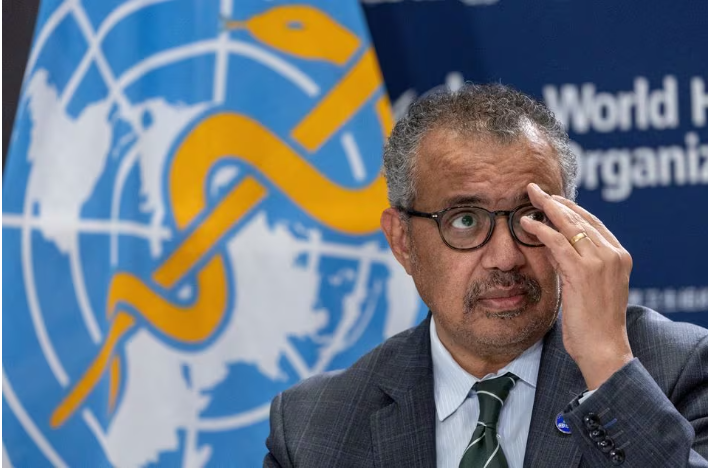
WHO Director-General Tedros Adhanom Ghebreyesus emphasized the significance of this achievement, stating, “Malaria is as old as Egyptian civilization itself, but the disease that plagued pharaohs now belongs to its history and not its future.” He praised the Egyptian people and government for their unwavering commitment to eliminating the disease.
Global Progress in Malaria Eradication
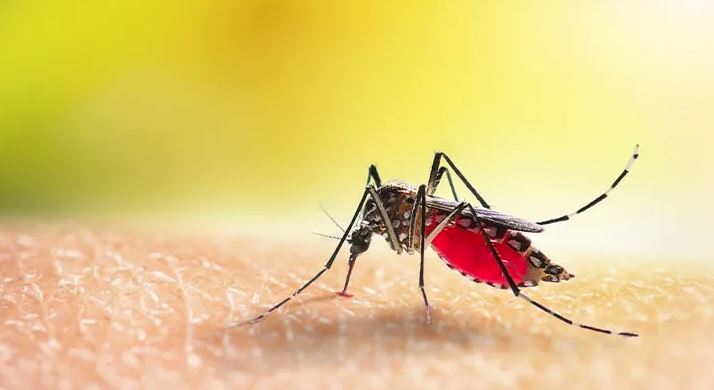
Egypt’s certification adds to a growing list of 44 countries and one territory globally that have been declared malaria-free. The certification process, overseen by the WHO, requires proof that indigenous malaria transmission by Anopheles mosquitoes has been halted for at least three consecutive years. Additionally, a country must demonstrate its ability to prevent the re-establishment of transmission.
Ongoing Global Impact of Malaria

Despite these achievements, malaria continues to pose a significant threat worldwide, claiming over 600,000 lives each year—95% of them in Africa, according to the WHO. In 2022 alone, 249 million malaria cases were reported globally. The disease, spread by mosquitoes, remains prevalent in tropical regions and is caused by a parasite.
Egypt’s Next Steps: Vigilance and Prevention
Egyptian Health Minister Khaled Abdel Ghaffar stressed that receiving the malaria-free certification is not the end of the fight. “This is the beginning of a new phase,” he said, calling for sustained efforts in surveillance, diagnosis, and treatment to maintain the country’s malaria-free status.
Egypt’s Early Fight Against Malaria
Egypt’s efforts to reduce malaria transmission began as early as the 1920s, with measures such as banning the cultivation of rice and other crops near homes to minimize human-mosquito contact. These early interventions laid the foundation for the country’s eventual eradication of the disease.

