


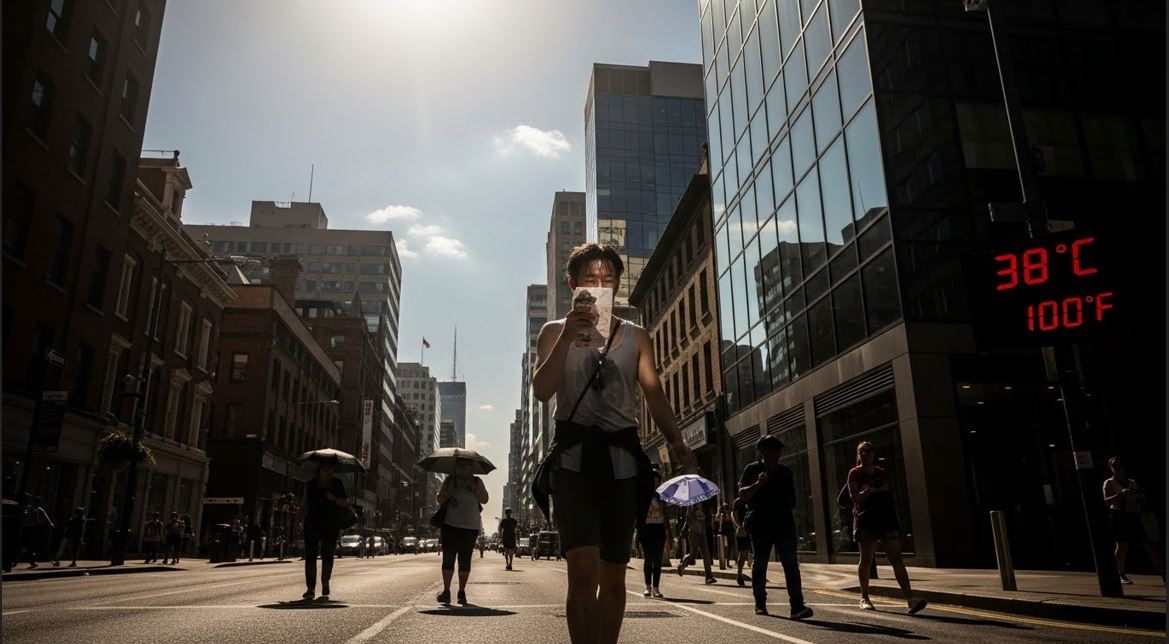
An extraordinary heatwave has swept across the western United States, setting a new benchmark for the hottest March temperature ever recorded in the country. The extreme conditions highlight the accelerating pace of global warming and raise fresh concerns about climate change.

In Yuma, Arizona, temperatures climbed to 109°F, surpassing the long-standing national March record of 108°F previously recorded in Rio Grande City, Texas, in the early 20th century. While some unofficial readings near Martinez Lake suggested temperatures as high as 112°F, those figures remain unverified due to concerns about data quality.
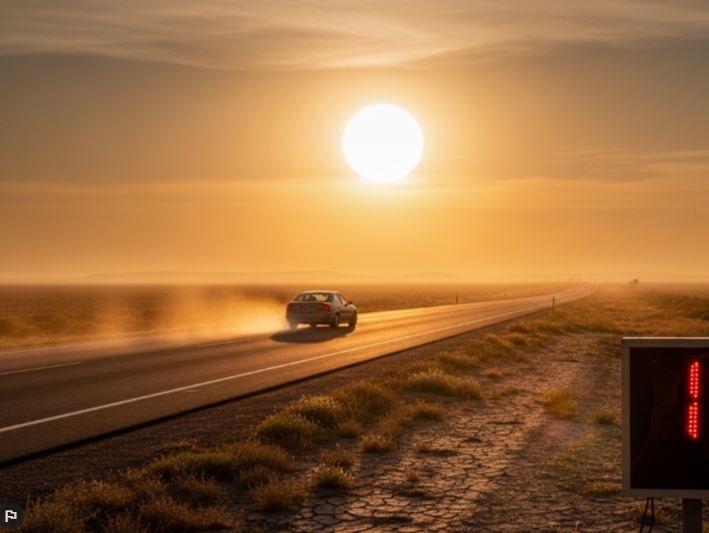
The intense heat is expected to persist through the weekend, driven by a powerful and widespread high-pressure system, commonly known as a heat dome. Scientists believe that while such weather patterns occur naturally, their increasing intensity is closely linked to human-driven climate change.
According to climate researchers, such extreme heat at this time of year would have been nearly impossible without the influence of global warming. The early arrival of this heatwave also makes it more dangerous, as communities have not yet adapted to such high temperatures, increasing health risks, particularly for vulnerable populations.

Extreme heat remains the deadliest form of weather-related hazard in the United States, claiming more lives annually than hurricanes and tornadoes combined. This week alone, over 100 March temperature records have been broken or matched across states including California, Arizona, Colorado, Idaho, South Dakota, and Wyoming.
Cities across the West are experiencing temperatures far above seasonal norms, in some cases exceeding averages by 20 to 40 degrees. Phoenix recorded temperatures above 100°F multiple times this week, even matching its typical April highs. Flagstaff also saw unprecedented warmth, with temperatures exceeding both March and April records.

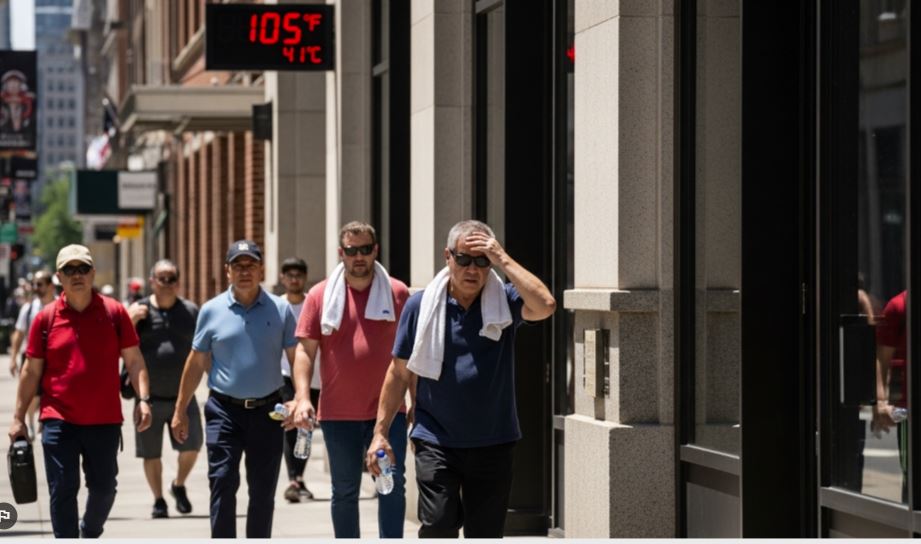
Major urban centers such as Denver, Las Vegas, Salt Lake City, and several cities in California including Burbank, Fresno, and Palm Springs have also recorded unusually high temperatures. Some areas could come close to their April heat records in the coming days.
The heatwave is not limited to the West. Regions stretching from Texas to the Carolinas are also bracing for record-breaking temperatures. Cities like Dallas-Fort Worth and Oklahoma City are expected to see highs well into the 90s, levels typically associated with peak summer months.
In Nebraska, rising temperatures are adding to wildfire concerns, particularly in areas already battling major fires. Meanwhile, forecasts indicate that the western United States will continue to experience above-average temperatures well into the coming week, with little immediate relief in sight.
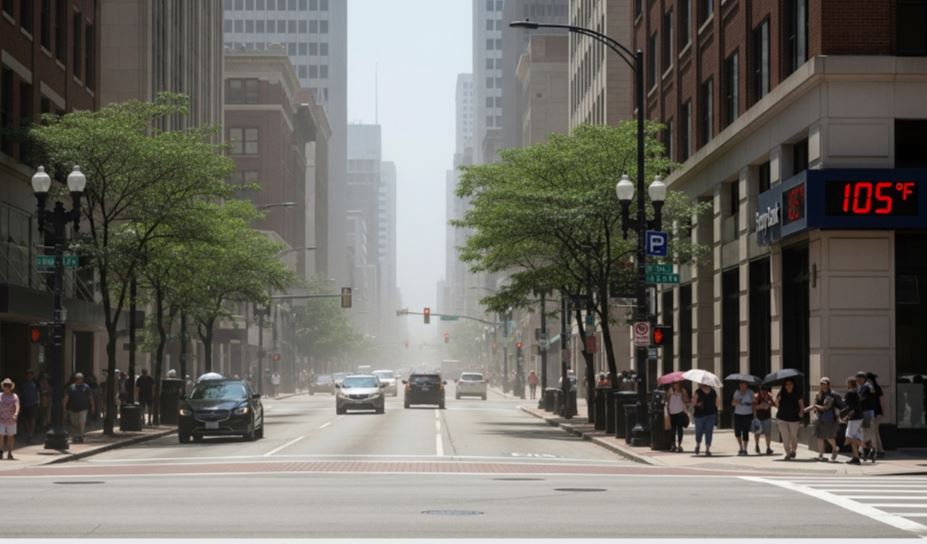
This prolonged and widespread heat event serves as a stark reminder of the growing impact of climate change, as rising global temperatures continue to reshape weather patterns and increase the frequency of extreme events.

