


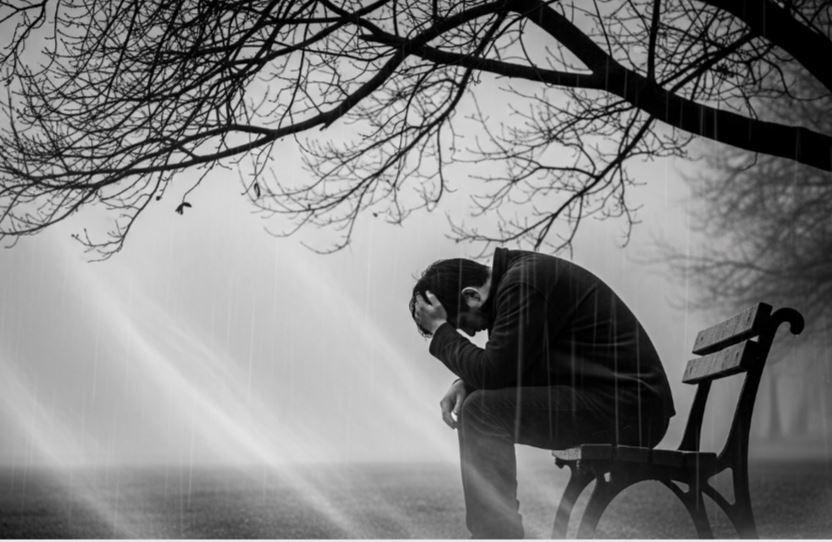
Disasters such as hurricanes, earthquakes, transportation accidents, and wildfires often strike without warning. They are sudden, disruptive, and can feel overwhelming. While many people may not show visible physical injuries, the emotional impact can be significant. Strong emotional reactions are common after experiencing such events. Understanding these reactions can help individuals manage their feelings, thoughts, and behaviors more effectively and support their journey toward recovery.

Common Reactions After a Disaster
In the immediate aftermath, people often feel shocked, confused, or emotionally numb. They may struggle to process what has happened. As the initial shock fades, a wide range of emotional and behavioral responses can appear.
Many individuals experience intense or unpredictable emotions. Feelings of anxiety, fear, sadness, or grief are common. Some may feel easily irritated or unusually moody. Emotional ups and downs are a natural part of the adjustment process.
Changes in thinking and behavior are also frequent. Survivors may have recurring and vivid memories of the event that arise unexpectedly. These memories can trigger physical reactions such as a racing heart or sweating. Concentration and decision-making may become difficult. Sleep patterns and appetite often shift—some people may eat or sleep more than usual, while others may struggle with insomnia or loss of appetite.
Heightened sensitivity to environmental cues is another common response. Sounds like sirens, loud noises, or certain smells may bring back memories of the disaster, increasing anxiety. These triggers can create fear that the traumatic event might happen again.

Relationships may also be affected. Increased tension or arguments with family members and coworkers can occur. Some individuals withdraw from social activities, feeling isolated or disconnected from others.
Physical symptoms linked to stress are not unusual. Headaches, nausea, chest discomfort, and other stress-related complaints may arise. Existing medical conditions can also worsen under prolonged stress.
Despite these challenges, research consistently shows that most people are resilient. Although stress reactions are common in the weeks following a disaster, many individuals gradually regain stability and return to their usual level of functioning within a few months. Recovery and resilience are far more typical than long-term psychological distress.

Steps to Support Emotional Well-Being
There are practical ways to rebuild emotional balance and regain a sense of control after a disaster.
Allow yourself time to adjust. Recovery is a process, not an instant outcome. It is natural to grieve losses and experience emotional changes. Patience with yourself is essential.
Seek support from trusted individuals. Talking with family members, friends, or others who have shared similar experiences can provide comfort and reassurance. Even those not directly affected by the disaster can offer valuable perspective and stability. Social support plays a crucial role in healing.
Share your experience in ways that feel safe and comfortable. This may include conversations with loved ones, writing in a journal, or expressing yourself through creative activities such as drawing or crafting. Expressing emotions can ease internal stress.
Consider joining a professionally led support group. Group settings allow survivors to connect with others who understand their experiences. Knowing that you are not alone in your reactions can be deeply reassuring, especially for those with limited personal support networks.
Maintain healthy habits to strengthen your ability to cope. Balanced meals, adequate sleep, and regular rest are important. Relaxation techniques may help if sleep problems persist. Avoid relying on alcohol or drugs, as they may temporarily numb distress but ultimately delay recovery.
Rebuild daily routines. Establishing regular meal times, sleep schedules, and exercise habits can restore a sense of normalcy. Introducing positive activities—such as engaging in a hobby, taking walks, or reading—can provide comfort and something to look forward to.
Postpone major life decisions. Significant changes like switching jobs or relocating can add unnecessary stress during a period of emotional recovery. It is wise to delay such decisions until stability has returned.

When to Seek Professional Help
Professional assistance may be necessary if feelings of sadness, anxiety, or hopelessness persist and interfere with daily responsibilities. If coping feels overwhelming or functioning becomes difficult, consulting a licensed mental health professional can be beneficial. Trained professionals can help individuals process emotions such as shock, stress, anxiety, and grief while developing a structured plan for recovery.
While disasters can deeply disrupt lives, emotional healing is possible. With time, support, and healthy coping strategies, most people regain balance and move forward with renewed strength.

