


In response to the severe cold weather and winter storms sweeping across the United States, authorities have issued detailed guidelines to help residents prevent water pipes from freezing. According to weather experts, states including Texas, Oklahoma, Louisiana, Mississippi, Tennessee, and parts of the Midwest are experiencing temperatures dropping below freezing, putting residential plumbing systems at serious risk.
The U.S. National Weather Service warns that when temperatures fall to 32°F (0°C) or lower, the likelihood of pipes freezing and bursting increases significantly—especially for pipes located along exterior walls, in garages, attics, basements, or other unheated areas.
Experts recommend allowing faucets to drip slightly overnight as one of the most effective preventive measures, since moving water is less likely to freeze. Keeping kitchen and bathroom cabinet doors open also helps warm air from heating systems circulate around pipes, reducing the risk of freezing.
Residents are further advised to maintain a consistent thermostat temperature day and night. While lowering the temperature overnight may save energy temporarily, it greatly increases the risk of frozen and burst pipes, which can lead to costly repairs.
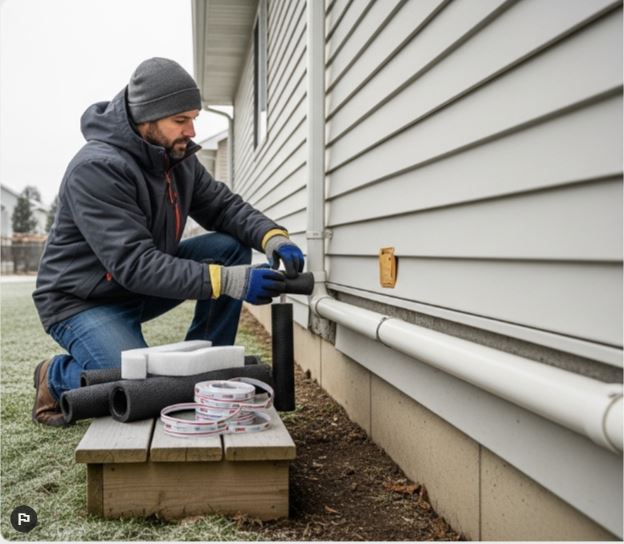
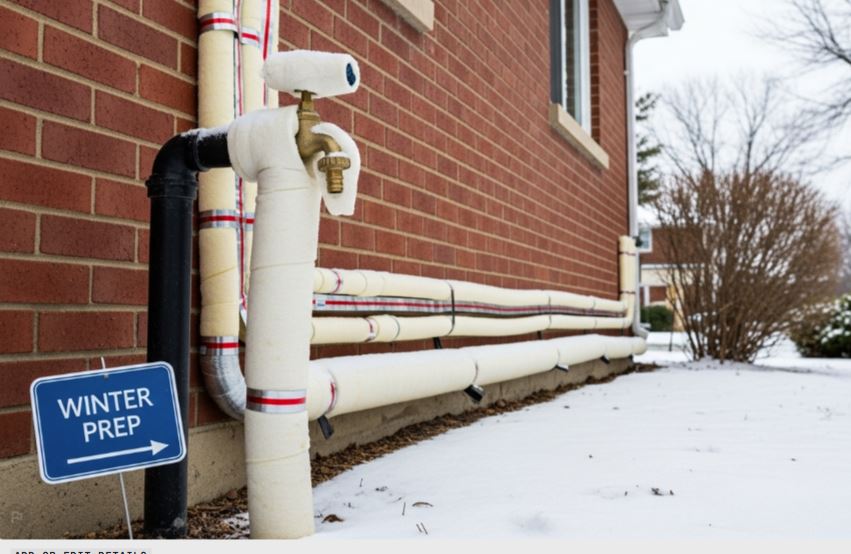
Additional precautions include insulating exposed pipes with foam covers or heat tape, covering outdoor faucets, and shutting off the main water supply if leaving home for an extended period during extreme cold. Authorities caution that when frozen pipes suddenly thaw, they can burst and cause flooding, resulting in thousands of dollars in damage.
U.S. emergency management agencies urge residents to stay updated on weather conditions, inspect their homes in advance, and follow these preventive measures to avoid property damage and emergency situations during extreme winter weather


