


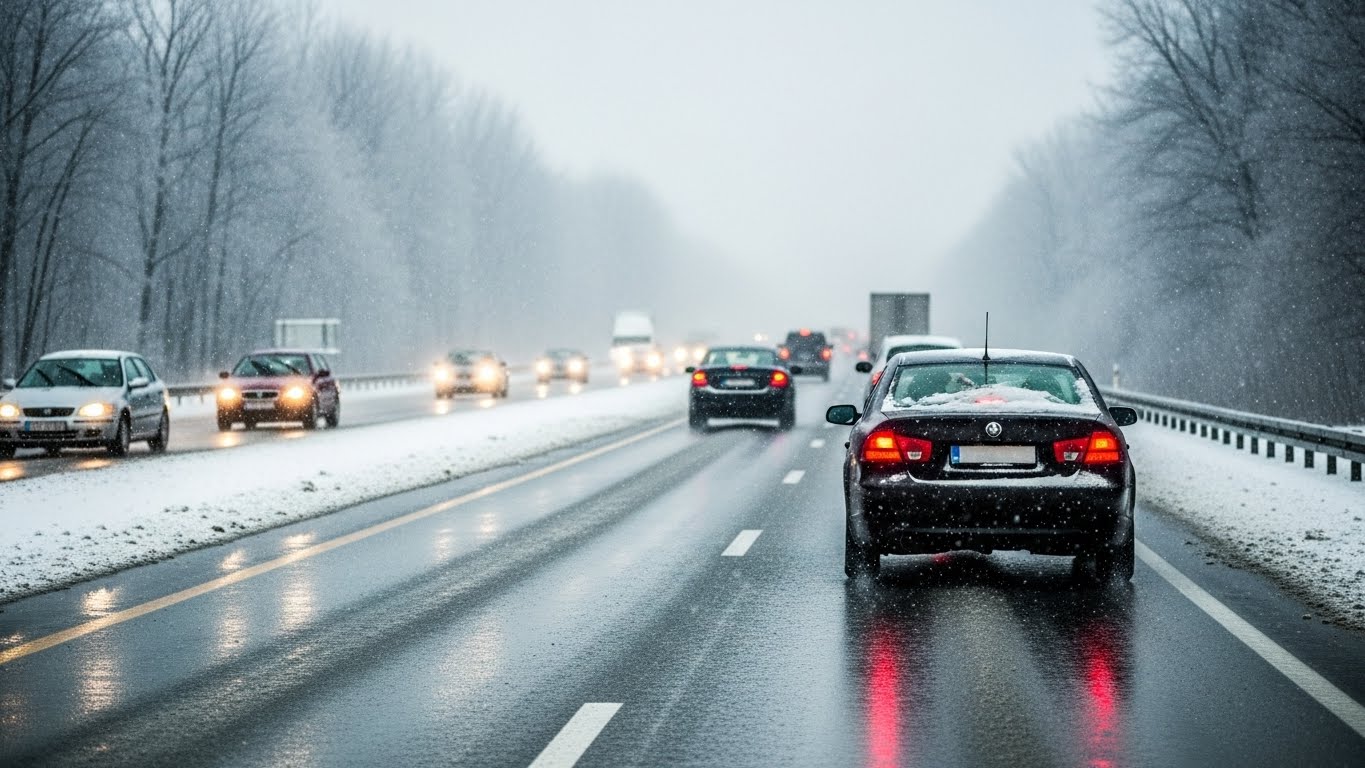
Motorists advised to slow down and follow key precautions as winter hazards increase on roads
Winter Travel Risks Increasing
As winter conditions continue to affect roadways across various regions, drivers are being urged to use increased caution while traveling. Ice, snow, and freezing drizzle are creating dangerous driving conditions that significantly raise the risk of accidents. Each year, winter-related vehicle crashes result in thousands of injuries and many fatalities, making road safety a top priority during this season.
The Hidden Danger of Freezing Drizzle
One of the most hazardous winter weather conditions is freezing drizzle. This thin, nearly invisible layer of ice forms on road surfaces and can be extremely difficult to detect. Although the roadway may appear wet, it can in fact be covered by a slick layer of ice, causing vehicles to lose traction unexpectedly. This type of weather is often referred to as a “sneaky” winter hazard because it develops quietly and catches drivers off guard.
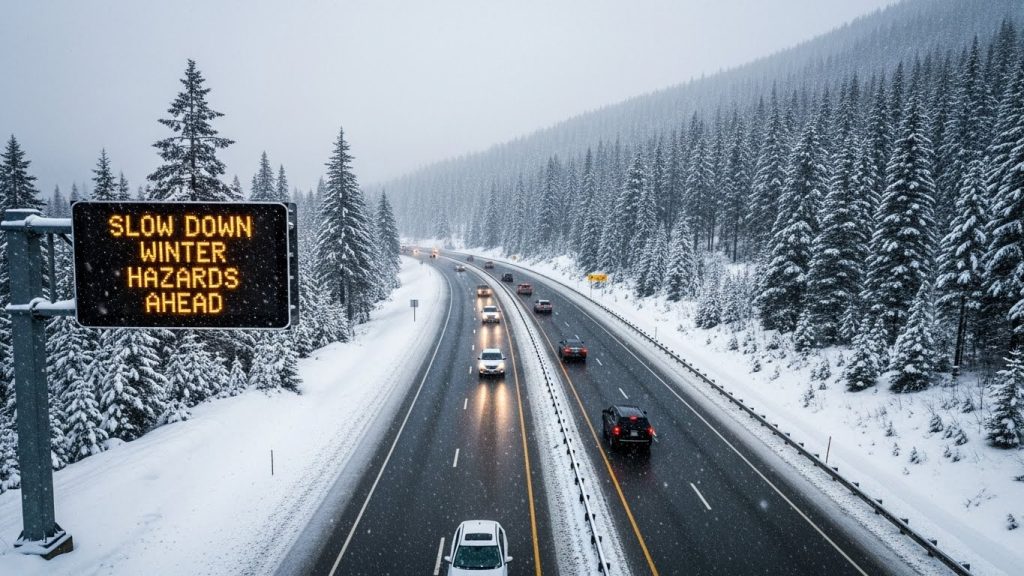
These conditions can occur without major storms or media attention, yet they have a serious impact on traffic safety and mobility, making everyday travel more difficult and dangerous.
Important Safety Guidelines for Drivers
Authorities strongly encourage all motorists to take the following precautions when driving in winter weather:
- Completely clear all snow and ice from your vehicle before starting your trip. Snow that flies off moving vehicles can block the vision of other drivers and cause crashes.
- Reduce your speed and avoid using cruise control, especially on highways. Roads may be much more slippery than they appear.
- Maintain a greater distance between your vehicle and others on the road, and stay especially cautious around snowplows and emergency vehicles.
Stay Alert and Plan Ahead
Drivers are advised to monitor weather reports regularly, plan their journeys carefully, and postpone non-essential travel during severe conditions. Staying alert, driving slowly, and respecting road advisories can help prevent serious accidents and protect lives.

For the latest weather updates and winter safety information, the public is encouraged to follow official alerts and advisories from weather authorities.

