



When a Winter Storm Warning is issued, immediately seek safe shelter because severe conditions can develop quickly.Understanding Winter Weather Alerts
Winter Storm Warning
This alert is issued when dangerous winter conditions such as heavy snowfall, strong freezing rain or intense sleet are expected soon or already happening. These warnings typically come 12 to 24 hours before the storm begins.
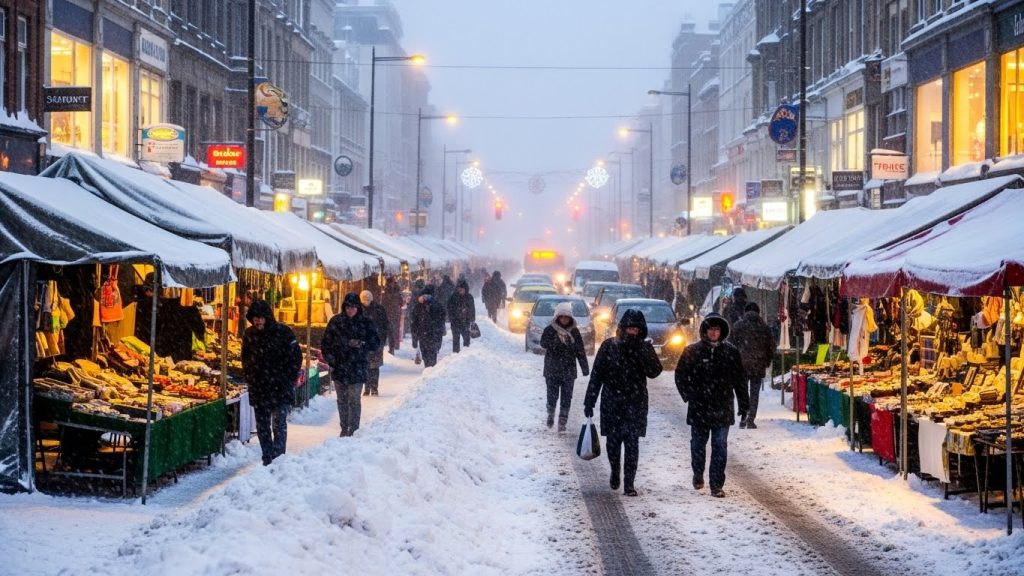
Winter Storm Watch
This notice informs the public that severe winter conditions like blizzards, heavy snow or significant ice may occur. Watches are generally issued 12 to 48 hours before the storm is likely to start.
Winter Weather Advisory
This advisory signals that snow, sleet, freezing rain or freezing drizzle may create hazardous travel and daily-life disruptions. Without proper caution, these conditions can become dangerous.
Knowing Your Winter Storm Risk
Stay updated on weather forecasts, warnings and alerts related to freezing temperatures and winter storms. Follow emergency notifications through local alerts, the Emergency Alert System (EAS) and NOAA Weather Radio. Register for your community’s emergency warning services.

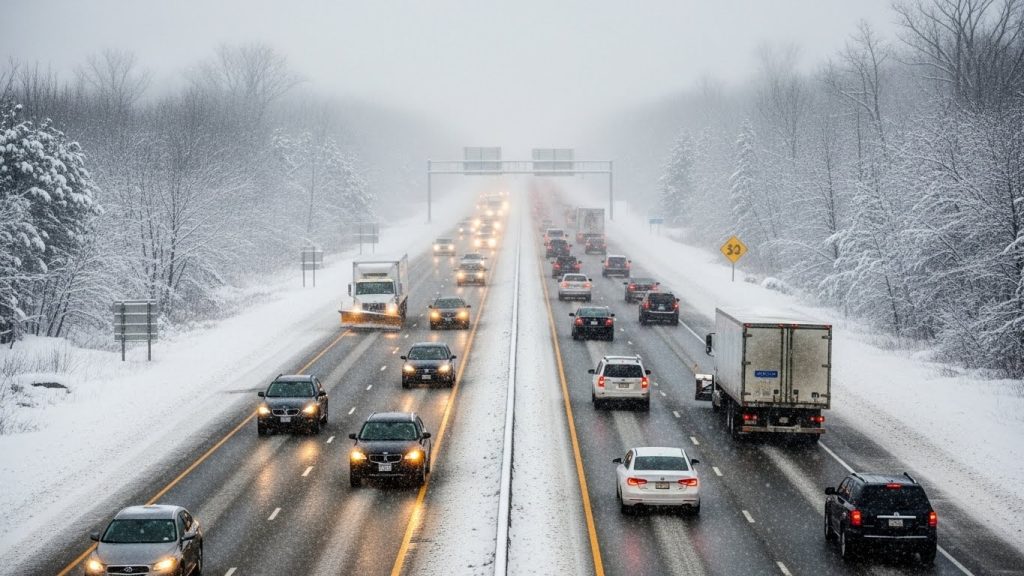
Preparing Before Winter Weather Arrives
Ensure your home is ready for cold temperatures by adding insulation, sealing gaps with caulking and using weather stripping. Learn how to prevent water pipes from freezing. Install and regularly test smoke alarms and carbon monoxide detectors with battery backup. Keep essential supplies at home in case you must stay indoors for several days without electricity. Consider personal needs such as daily medication and prepare items for pets as well. Stock extra batteries for radios and flashlights. If you struggle with heating expenses or need assistance with weatherproofing your home, contact the Low Income Home Energy Assistance Program (LIHEAP).
What to Do in an Emergency
Prepare for winter conditions at home, at work and while traveling. Keep a winter emergency kit inside your vehicle. Include jumper cables, sand for traction, a flashlight, warm clothing, blankets, drinking water and non-perishable food. Maintain a full tank of gas whenever possible.

